

What is a Pyrolysis Char Material Conveying Line? What Are Its Design Principles?
Pyrolysis processes, such as those used in waste-to-energy or biomass conversion facilities, generate char as a byproduct. Efficient handling and transportation of this char are critical for maintaining the overall efficiency and safety of the operation. A pyrolysis char material conveying line is a specialized system designed to transport this char from the pyrolysis reactor to storage or further processing units. This article explores the components, functions, and design principles of such a conveying line, with a focus on the engineering solutions provided by Shandong HeadPowder Engineering Co., Ltd. (commonly known as HeadPowder).
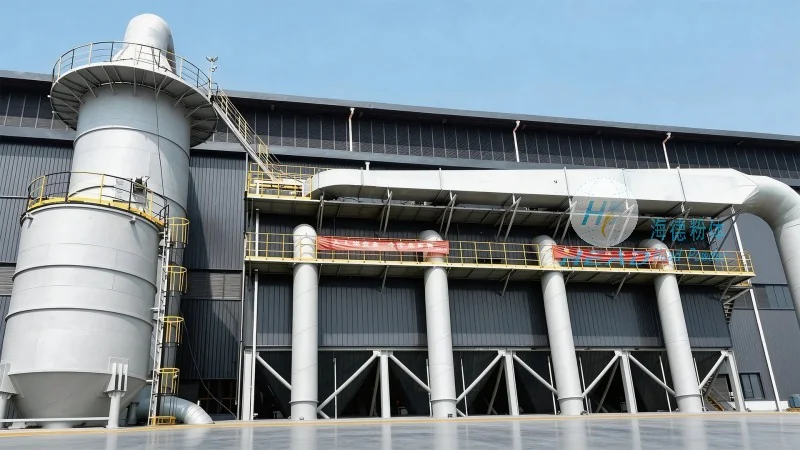
Understanding the Role of a Pyrolysis Char Conveying Line
In pyrolysis systems, the char produced during the thermal decomposition of organic materials can be a valuable resource or a waste stream, depending on the application. The conveying line ensures that this material is moved safely and efficiently. The system typically includes components like feed hoppers, conveyor mechanisms (e.g., screw conveyors, pneumatic conveyors, or belt conveyors), and control systems. Each component is designed to handle the specific characteristics of pyrolysis char, which can vary in particle size, moisture content, and abrasiveness. The goal is to minimize material loss, prevent blockages, and maintain a consistent flow rate.
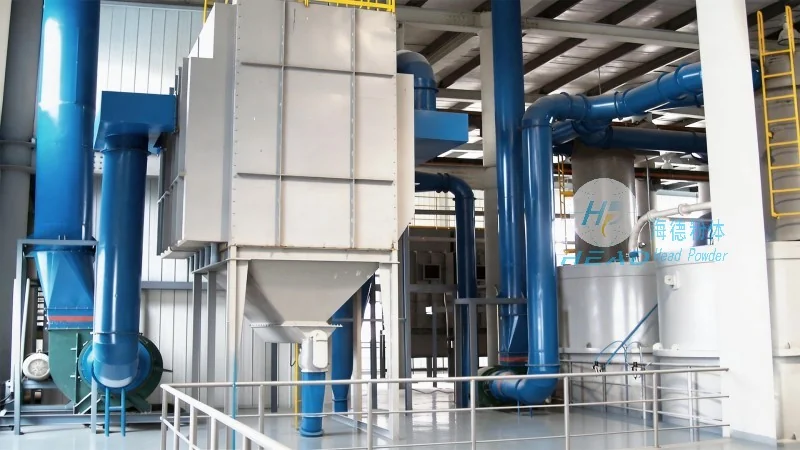
Key Design Principles for Material Conveying
The design of a pyrolysis char conveying line is governed by several key principles to ensure optimal performance. First, the system must be robust enough to handle the abrasive nature of char, which can cause wear on equipment. Materials such as stainless steel or high-grade alloys are often used for components like conveyor screws and housing to extend the lifespan of the system. Second, the conveying method must be suitable for the material's properties. For example, if the char is dry and free-flowing, a screw conveyor may be effective. Conversely, if the char is moist or contains fine particles, a pneumatic conveyor might be more appropriate to prevent clogging and ensure smooth transport. Third, the system must incorporate proper sealing and dust control measures, as pyrolysis char can be dusty and potentially hazardous if not managed correctly. This includes using sealed hoppers, dust collection systems, and appropriate ventilation to protect both the equipment and the environment.
Components of a Typical Pyrolysis Char Conveying Line
A standard pyrolysis char conveying line consists of several interconnected components. The feed hopper is the first stage, where the char is collected from the pyrolysis reactor. This hopper is usually equipped with a level sensor to monitor the material volume and may include a pre-screening mechanism to remove large debris. The conveyor mechanism, which can be a screw conveyor, belt conveyor, or pneumatic system, then transports the char from the hopper to the discharge point. Screw conveyors are common for horizontal or slight incline transport due to their ability to handle dry, free-flowing materials without the need for external power beyond the motor. Pneumatic conveyors, on the other hand, use air pressure to move the material, which is ideal for vertical or long-distance transport, especially when dealing with fine or dusty char. The discharge unit, such as a silo or storage bin, receives the conveyed char and may include a discharge valve or gate to control the flow to downstream processes.
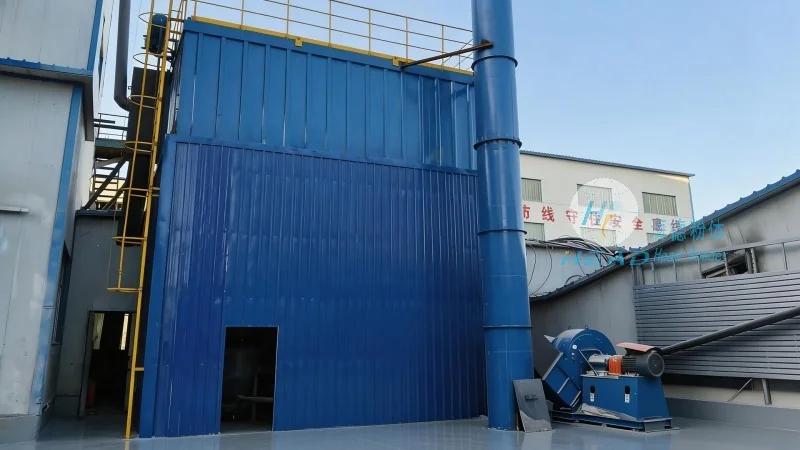
Engineering Solutions by Shandong HeadPowder Engineering Co., Ltd.
Shandong HeadPowder Engineering Co., Ltd., a leading provider of industrial conveying solutions, specializes in designing and manufacturing pyrolysis char conveying lines tailored to the specific needs of clients. The company, based in Shandong, China, leverages years of experience in material handling and pyrolysis technology to develop systems that are both efficient and reliable. HeadPowder's engineers work closely with clients to assess the characteristics of the pyrolysis char (e.g., particle size distribution, moisture content, and abrasiveness) and select the most appropriate conveying method and equipment. The company offers customized solutions, including the integration of control systems that monitor flow rates, pressure, and temperature to ensure the conveying line operates within optimal parameters. Additionally, HeadPowder provides maintenance and support services to ensure the longevity and performance of the conveying line, minimizing downtime and maximizing operational efficiency.