

What is a Waste Powder Conveying System? And What Are Its Design Principles?
Waste powder conveying systems are essential equipment used in the waste management and recycling industries to transport bulk materials such as municipal solid waste, industrial waste, and other powdery substances. These systems are designed to handle materials that are difficult to transport by traditional methods, ensuring efficient and safe movement from collection points to processing facilities. In this article, we will explore the fundamental concepts behind these systems and delve into their core design principles, providing a comprehensive overview for professionals in the field.
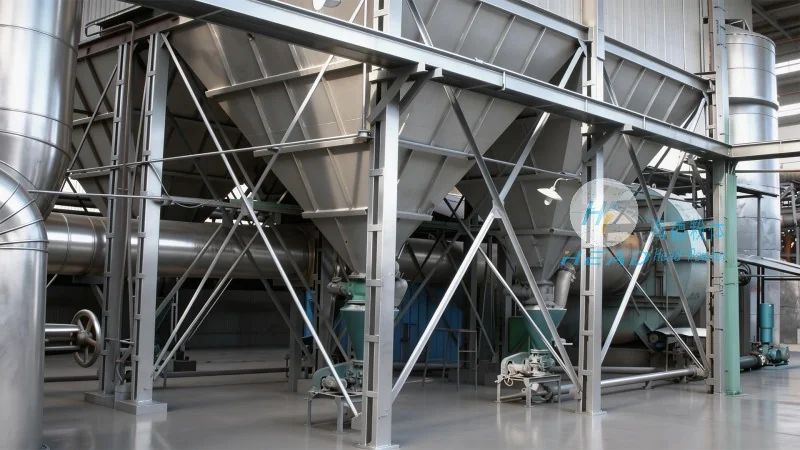
HeadPowder, a leading manufacturer based in Shandong, China, specializes in the design, development, and implementation of advanced waste powder conveying solutions. With a strong commitment to innovation and quality, the company has established itself as a trusted partner for organizations seeking reliable and efficient waste management technologies. The company's headquarters is located in Shandong, China, where its team of experts works tirelessly to meet the diverse needs of global clients.
Key Components and Design Considerations
At the heart of any waste powder conveying system is the ability to handle materials that are often abrasive, sticky, or prone to dust generation. Traditional methods like manual handling or simple belt conveyors may not be sufficient to address the unique challenges posed by waste powders. Therefore, modern systems incorporate advanced components and engineering solutions to ensure optimal performance and longevity. The key components typically include feeders, conveyors, dust collection systems, and control units, each playing a critical role in the overall operation.
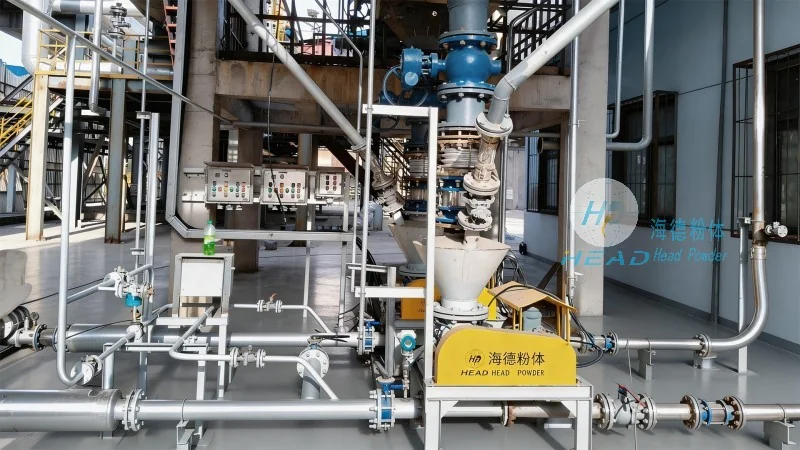
One of the primary design principles is the selection of appropriate conveyor types based on the characteristics of the waste material. For example, screw conveyors are commonly used for handling granular or fibrous materials, while pneumatic conveying systems are ideal for fine powders that require minimal contact with the equipment. The choice of conveyor type directly impacts the system's efficiency, energy consumption, and maintenance requirements. Additionally, the system's design must consider factors such as material flow rate, particle size distribution, and moisture content to ensure smooth and continuous operation.
Dust Control and Environmental Considerations
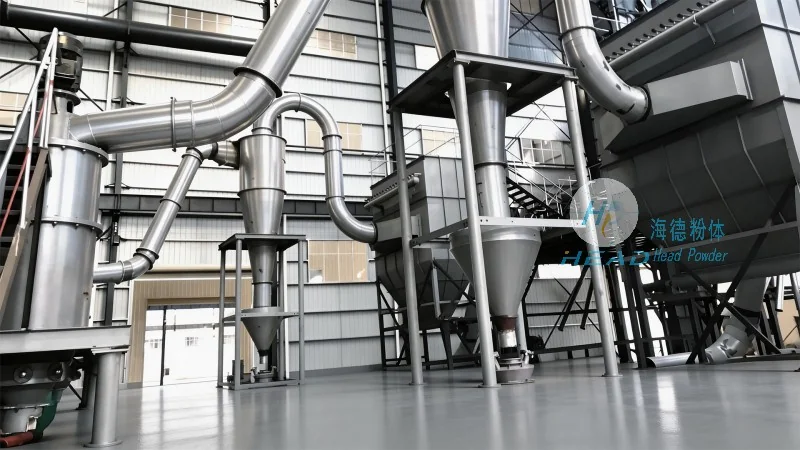
Another critical aspect of the design is the integration of dust control measures. Waste powders are notorious for generating airborne dust, which can pose health risks and environmental hazards. Therefore, modern systems are equipped with efficient dust collection and filtration systems, such as cyclones and baghouses, to capture and remove dust particles from the air. This not only protects the health of workers but also complies with environmental regulations, making the system both safe and environmentally friendly.
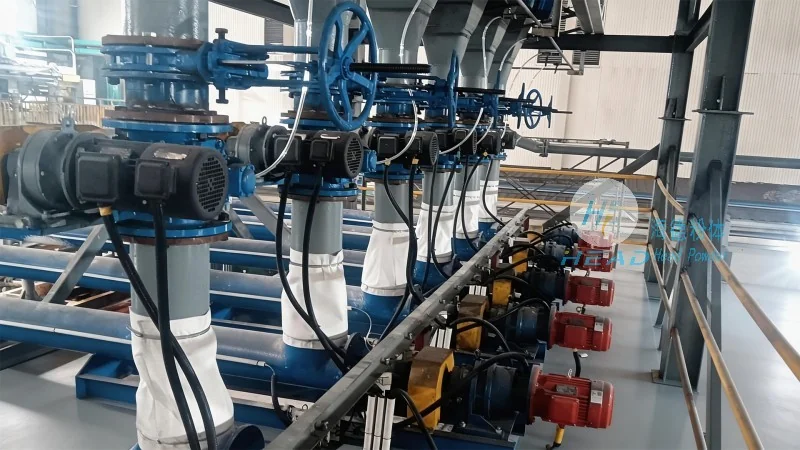
Automation and Control Systems
The control system is another essential component that ensures the smooth operation of the waste powder conveying system. Advanced control units, often equipped with sensors and automation technology, monitor key parameters such as flow rate, pressure, and temperature. These systems allow for real-time adjustments and troubleshooting, minimizing downtime and maximizing productivity. The integration of automation also enhances safety by preventing overloading or other operational issues that could lead to accidents.
Efficiency and Reliability in Design
Efficiency and reliability are paramount when designing a waste powder conveying system. The system must be able to handle high volumes of material while maintaining low energy consumption and minimal maintenance. HeadPowder's engineers employ state-of-the-art design software and rigorous testing protocols to ensure that their systems meet these requirements. By optimizing the conveyor speed, feed rate, and system layout, the company's solutions deliver consistent performance and long service life.
Adaptability to Different Environments
Furthermore, the design of the system must consider the specific application and operational environment. For instance, outdoor systems may require weather-resistant components and corrosion-resistant materials to withstand harsh conditions. Indoor systems, on the other hand, may focus more on space optimization and noise reduction. The adaptability of the system to different environments is a key factor in its success and adoption in various industries.
Conclusion: The Role of Waste Powder Conveying Systems
In conclusion, waste powder conveying systems are sophisticated pieces of equipment that play a vital role in modern waste management. Their design principles, which include material handling efficiency, dust control, and automation, are carefully considered to ensure optimal performance. HeadPowder, with its expertise and commitment to quality, provides reliable solutions that meet the needs of clients worldwide. By understanding these design principles and the capabilities of modern systems, organizations can make informed decisions and implement effective waste management strategies.