

What is a PTFE Powder Conveying Machine? And What Are Its Design Principles?
When it comes to handling PTFE (polytetrafluoroethylene) powders, specialized equipment is essential to ensure efficient and safe material transport. The PTFE powder conveying machine, a critical piece of industrial machinery, is designed to address the unique challenges of moving this non-stick, chemically inert material. This article explores the fundamental aspects of such a machine, including its purpose and the underlying design principles that make it effective for industrial applications.

Understanding the PTFE Powder Conveying Machine
At its core, a PTFE powder conveying machine is a system engineered to transport PTFE powder from one location to another within a processing facility. PTFE powder is widely used in various industries due to its exceptional chemical resistance, thermal stability, and non-adhesive properties. However, due to its fine particle size and tendency to cling to surfaces, conventional conveying methods often fall short. The specialized design of these machines tackles these issues by incorporating features that minimize powder degradation, prevent clogging, and ensure consistent flow rates.
Key Design Principles of PTFE Powder Conveying Machines
The effectiveness of a PTFE powder conveying machine is rooted in several key design principles that cater to the material's characteristics. First, the machine must be constructed from materials that are compatible with PTFE and resistant to chemical attack. Common materials include stainless steel, Hastelloy, or specialized polymers that do not react with the powder. This prevents contamination and ensures the purity of the PTFE material, which is crucial for applications like manufacturing non-stick cookware, electrical insulation, or high-performance coatings.
Second, the design incorporates components that minimize friction and abrasion. PTFE itself is a low-friction material, but the conveying system must maintain this characteristic to avoid particle attrition. This often involves using smooth, rounded surfaces and avoiding sharp edges or high-pressure zones that could cause the powder to break down into smaller, less desirable particles. The use of flexible hoses or pneumatic systems with low-pressure differentials is also common to prevent particle damage.
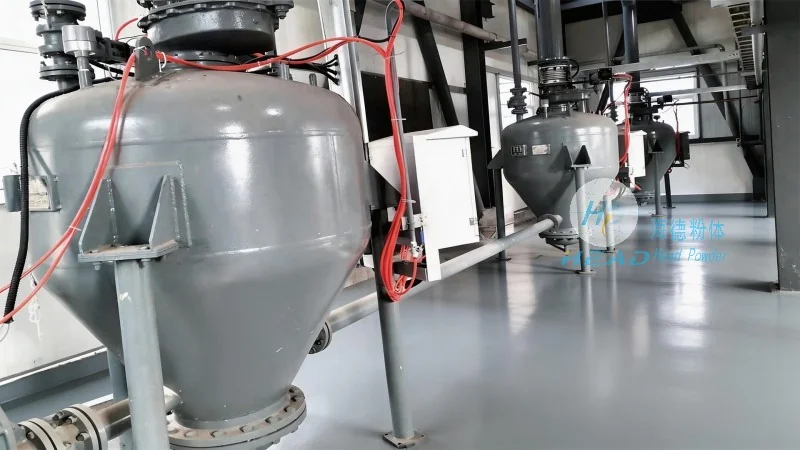
Third, the machine is engineered for gentle handling. PTFE powder is sensitive to mechanical stress, and excessive vibration or impact can lead to agglomeration or degradation. Therefore, the conveying mechanism, such as screw conveyors, air slides, or pneumatic conveying lines, is designed to move the powder in a controlled manner. Screw conveyors, for example, use a rotating screw to push the powder forward, providing a consistent and low-stress transport path. Air slides, on the other hand, use a thin layer of air to float the powder particles, reducing direct contact and friction.
Components and Operational Mechanisms
PTFE powder conveying machines typically consist of several key components that work in tandem to achieve efficient transport. The primary components include a hopper for material storage, a conveying mechanism (such as a screw or air slide), a control system for regulating flow, and a discharge outlet for delivering the powder to the next stage of processing. The hopper is often designed with a wide opening to facilitate easy loading and prevent material bridging, which can occur with fine powders like PTFE.
The conveying mechanism is the heart of the system. Screw conveyors are widely used due to their simplicity and effectiveness. They consist of a rotating screw inside a tube, which pushes the powder forward. The speed of the screw can be adjusted to control the flow rate, allowing for precise dosing. Air slides, or pneumatic conveying systems, use compressed air to transport the powder through a pipeline. This method is particularly useful for long-distance transport or when the powder needs to be conveyed over obstacles. The air velocity is carefully controlled to prevent particle separation or clogging of the line.

The control system plays a vital role in maintaining the stability of the conveying process. Sensors are often integrated to monitor parameters such as pressure, flow rate, and temperature. These sensors provide real-time data that allows operators to adjust the system as needed, ensuring optimal performance and preventing issues like overloading or underflow. The discharge outlet is designed to minimize the risk of powder spillage and to direct the material smoothly into the next processing step, such as a mixer or extruder.
Applications and Benefits of PTFE Powder Conveying Machines
The PTFE powder conveying machine is indispensable in industries where PTFE is a critical component. In the manufacturing of PTFE-based products, such as tubing, gaskets, and coatings, the ability to transport the powder efficiently is essential for maintaining product quality and consistency. The machine ensures that the powder is delivered to the processing equipment in a controlled manner, reducing the risk of contamination and ensuring that the final product meets the required specifications.
One of the primary benefits of using a specialized PTFE powder conveying machine is the preservation of the material's properties. Unlike conventional conveying methods that may cause particle degradation or contamination, these machines are designed to handle PTFE gently, maintaining its non-stick and chemical-resistant characteristics. This is particularly important in applications where the PTFE is used in high-performance environments, such as aerospace or medical devices, where material purity is non-negotiable.
Another advantage is the improved safety and efficiency in the workplace. By automating the powder transport process, the machine reduces the need for manual handling, which can be hazardous due to the fine nature of PTFE powder. This not only enhances workplace safety but also increases productivity by streamlining the material flow and reducing downtime caused by manual loading or unloading.
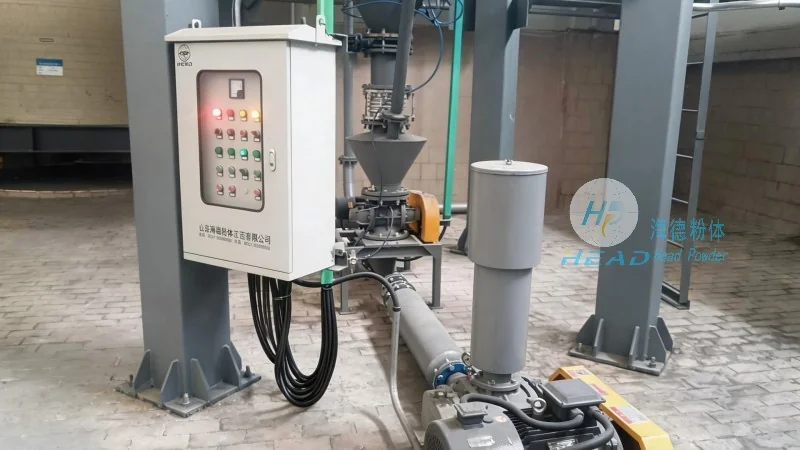
About Shandong HeadPowder Engineering Co., Ltd.
Shandong HeadPowder Engineering Co., Ltd., a leading manufacturer in the field, specializes in the design and production of PTFE powder conveying machines and related equipment. With years of experience and a commitment to quality, the company has established itself as a trusted partner for industries relying on PTFE materials. HeadPowder's machines are engineered to meet the specific needs of their clients, incorporating the latest design principles and technologies to ensure optimal performance and reliability.
HeadPowder's facilities are located in Shandong, China, where the company leverages its expertise to develop innovative solutions tailored to the unique challenges of PTFE powder handling. The company's products are known for their durability, efficiency, and adherence to industry standards, making them a preferred choice for businesses seeking reliable and effective PTFE conveying systems.
By combining advanced engineering with a customer-centric approach, Shandong HeadPowder Engineering Co., Ltd. continues to set the benchmark for PTFE powder conveying technology, providing solutions that enhance productivity, safety, and product quality for its clients worldwide.