

What Are Fine Sand Material Handling Equipment? And What Are Their Design Principles?
When it comes to the efficient and reliable transport of fine sand materials, specialized equipment plays a crucial role in industrial processes. Understanding the nature of fine sand material handling equipment and the underlying design principles is essential for optimizing operations and ensuring consistent performance. This article delves into the specifics of such equipment, exploring their functionality, structural design, and the engineering considerations that make them effective for handling fine sand materials.
Introduction to Fine Sand Material Handling Equipment
Fine sand material handling equipment is specifically engineered to transport fine sand, which typically refers to sand particles with a diameter of less than 0.0625 millimeters. These materials are commonly used in construction, mining, and manufacturing industries, and their efficient handling is critical for maintaining productivity and quality. The equipment designed for this purpose must address unique challenges such as particle size, flowability, and the potential for clogging or blockages. By understanding the components and design principles of these systems, users can better select and operate equipment that meets their operational needs.
Key Components of Fine Sand Material Handling Equipment
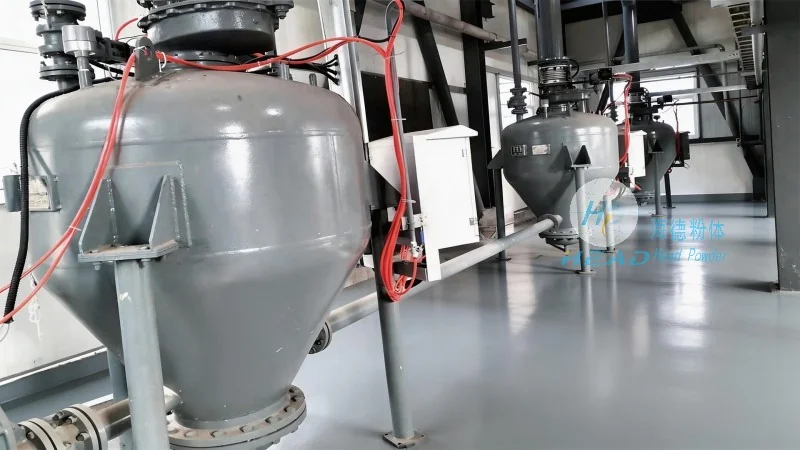
The core components of fine sand material handling equipment include feeders, conveyors, and control systems. Feeders are responsible for uniformly distributing the fine sand material into the conveyor system, ensuring a consistent flow rate. Common types of feeders for fine sand include rotary feeders, belt feeders, and vibratory feeders, each designed to handle specific particle sizes and flow characteristics. Conveyors, on the other hand, are the primary means of transporting the fine sand from one location to another. They can be categorized into different types, such as belt conveyors, screw conveyors, and pneumatic conveyors, each with its own advantages and limitations depending on the application.
Control systems are integral to the operation of fine sand material handling equipment, as they regulate the flow rate, monitor the system's performance, and ensure safety. These systems often include sensors to detect material levels, flow rates, and potential blockages, providing real-time data to operators. The integration of advanced control technologies, such as PLC (Programmable Logic Controllers) and SCADA (Supervisory Control and Data Acquisition) systems, enhances the efficiency and reliability of fine sand handling operations. By leveraging these components, fine sand material handling equipment can achieve high levels of performance and adaptability to varying operational conditions.

Design Principles for Fine Sand Material Handling Equipment
The design of fine sand material handling equipment is guided by several key principles aimed at optimizing performance, minimizing downtime, and ensuring safety. One of the primary design considerations is the prevention of clogging and blockages, which are common issues with fine sand due to its small particle size and tendency to stick together. Engineers employ various strategies, such as using smooth, non-stick surfaces on conveyor components, incorporating vibration mechanisms to break up agglomerates, and using air knives or air jets to keep the material moving. Additionally, the design of the equipment must account for the abrasive nature of fine sand, which can cause wear and tear on components over time. Materials such as stainless steel, high-grade alloys, and wear-resistant coatings are commonly used to extend the lifespan of the equipment and reduce maintenance costs.
Another critical design principle is the optimization of flow and pressure. Fine sand materials can be sensitive to changes in pressure and flow rate, which can affect their transport efficiency. The design of the conveyor system, including the slope and speed of the belt or screw, is carefully calculated to maintain a consistent flow without causing excessive pressure or friction. This ensures that the material moves smoothly through the system without excessive energy consumption or wear. Furthermore, the design must consider the space constraints and operational environment, ensuring that the equipment can be installed and operated in the intended location without compromising safety or performance.
Applications and Benefits of Fine Sand Material Handling Equipment
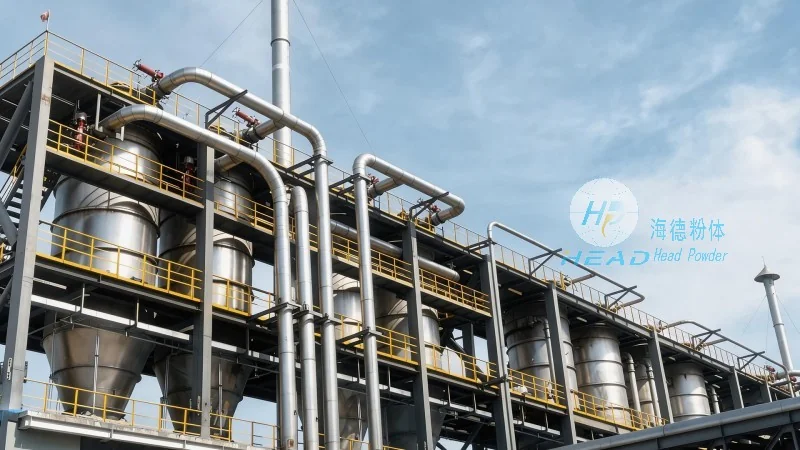
Fine sand material handling equipment is widely used in various industries, including construction, mining, and manufacturing. In the construction industry, these systems are essential for transporting sand used in concrete production, mortar, and other building materials. The efficient handling of fine sand ensures that construction projects can proceed on schedule, reducing delays and costs. In the mining industry, fine sand handling equipment is used to transport sand from mining sites to processing facilities, where it is further processed into various products. The reliability of these systems is crucial for maintaining the flow of materials and ensuring the continuity of mining operations.
In the manufacturing industry, fine sand is used in the production of ceramics, glass, and other materials. The equipment designed for handling fine sand in these applications must meet stringent quality standards, as the purity and consistency of the sand directly impact the final product. The benefits of using specialized fine sand material handling equipment include improved efficiency, reduced downtime, and enhanced safety. By minimizing the risk of clogging and blockages, these systems ensure a consistent flow of material, which in turn improves production output and quality. Additionally, the use of advanced control systems allows for real-time monitoring and adjustment, further enhancing operational efficiency.
Conclusion and Company Overview
Understanding the design principles and components of fine sand material handling equipment is vital for optimizing industrial processes and ensuring the reliable transport of fine sand materials. The equipment must be designed to address the unique challenges posed by fine sand, such as clogging, abrasiveness, and flow sensitivity. By incorporating advanced engineering solutions and materials, manufacturers can develop equipment that meets the demands of various industries. Shandong HeadPowder Engineering Co., Ltd., a leading provider of fine sand material handling solutions, specializes in designing and manufacturing equipment tailored to the specific needs of clients. With a focus on quality, efficiency, and safety, HeadPowder offers a range of fine sand handling systems that enhance operational performance and reduce costs. The company's commitment to innovation and customer satisfaction has made it a trusted partner in the industry, providing reliable solutions for fine sand material handling challenges.