

What is a Material Mixing and Conveying Line for Formulation? And What Are Its Design Principles?
When it comes to industrial processes that require precise handling and mixing of various materials, the formulation mixing and material conveying line plays a crucial role. This specialized system is designed to efficiently transport, blend, and manage raw materials in a controlled environment, ensuring consistent quality and optimal performance in production. Understanding what this line entails and its underlying design principles is essential for industries such as pharmaceuticals, food processing, and chemical manufacturing, where material consistency is paramount. The expertise in designing such systems is exemplified by companies like Shandong HeadPowder Engineering Co., Ltd., a leading provider of industrial solutions tailored to meet the diverse needs of modern manufacturing.
Understanding the Role of a Formulation Mixing and Material Conveying Line
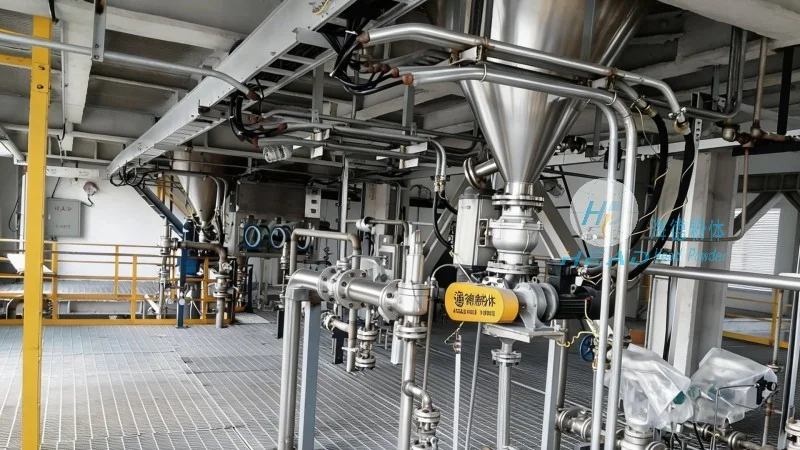
A formulation mixing and material conveying line is a comprehensive system engineered to handle the entire process of material preparation, mixing, and transport. It typically integrates multiple components, including hoppers, conveyors, mixers, and control systems, to achieve seamless material flow from raw ingredient reception to the final blended product. The primary functions of this line include material storage, feeding, conveying, mixing, and discharge, all tailored to meet specific production requirements. By automating these processes, the line enhances operational efficiency, reduces human error, and maintains uniform product quality throughout the manufacturing cycle. This is particularly important for industries where product quality directly impacts consumer safety and regulatory compliance.
Key Design Principles Behind the Material Mixing and Conveying Line
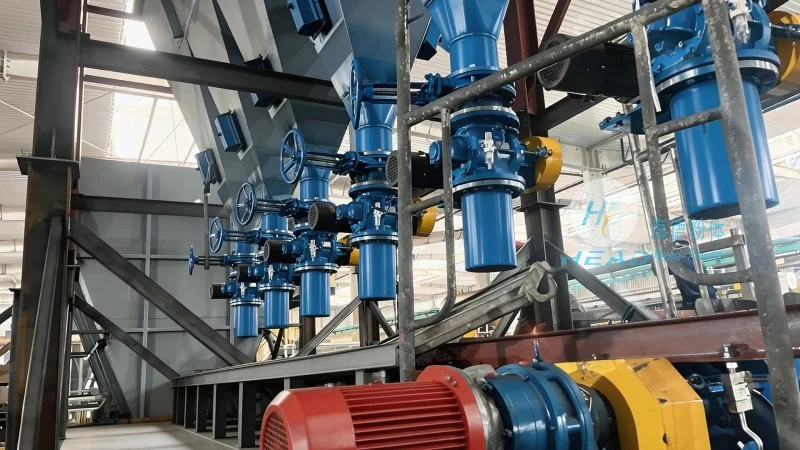
The design of a formulation mixing and material conveying line is based on several critical principles that ensure its effectiveness and reliability. First, the system must prioritize material containment and hygiene, especially in industries like pharmaceuticals and food processing, where cross-contamination and product purity are non-negotiable. This is achieved through the use of stainless steel components, sealed hoppers, and enclosed conveyor systems that prevent dust, moisture, and other contaminants from entering or exiting the process. Second, the line is engineered for flexibility and scalability, allowing it to accommodate different material types, batch sizes, and production rates. This adaptability is crucial for meeting varying production demands and future expansion needs. Third, the design emphasizes energy efficiency and cost-effectiveness. By optimizing the flow of materials and minimizing downtime, the system reduces operational costs while maintaining high performance. Additionally, the integration of advanced control systems enables real-time monitoring and adjustment of the process, ensuring that the mixing ratios and conveying speeds are precisely controlled to achieve the desired product characteristics. These principles are meticulously applied by Shandong HeadPowder Engineering Co., Ltd., ensuring that each line is customized to the unique requirements of the client.
Components and Their Integration in the Line
The effectiveness of a formulation mixing and material conveying line relies on the seamless integration of its key components. The system typically starts with material hoppers, which are designed to store raw ingredients in bulk. These hoppers are equipped with level sensors and feeding mechanisms that control the flow of materials into the conveying system. Next, the conveying section, which may include screw conveyors, belt conveyors, or pneumatic systems, transports the materials from the hoppers to the mixing unit. The choice of conveyor type depends on the material properties, such as bulk density, flowability, and moisture content. For example, screw conveyors are ideal for dry, free-flowing materials, while pneumatic systems are suitable for powders that are difficult to handle mechanically. The mixing unit, often a high-shear or planetary mixer, is the core of the line, where the materials are blended to achieve the desired formulation. This unit is equipped with temperature and speed controls to ensure uniform mixing and prevent overmixing or undermixing. Finally, the discharge section of the line delivers the blended product to the next stage of the production process, such as packaging or further processing. The integration of these components is critical to the overall performance of the line, and companies like Shandong HeadPowder Engineering Co., Ltd. specialize in optimizing this integration for maximum efficiency.
Application Examples and Industry Impact
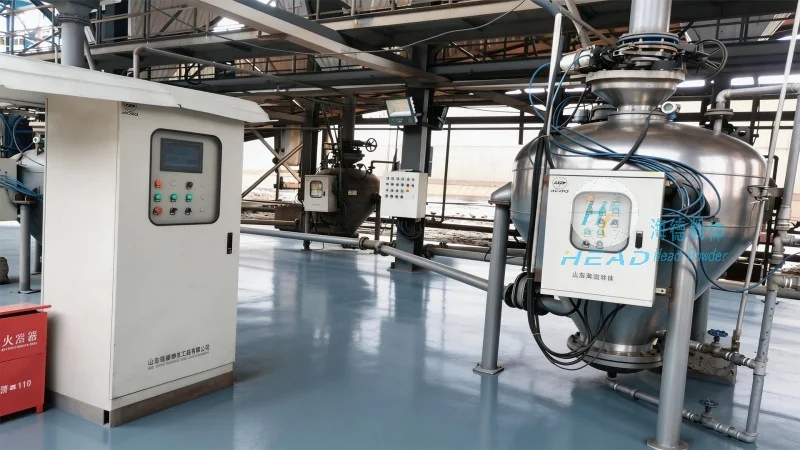
The formulation mixing and material conveying line is widely used in various industries, with each application tailored to the specific requirements of the product. In the pharmaceutical industry, for instance, this line is used to mix active pharmaceutical ingredients (APIs) with excipients to produce tablets or capsules. The precision and hygiene of the system are critical to ensure the safety and efficacy of the final drug product. In the food industry, the line is employed to blend ingredients for baked goods, beverages, and other food products, where consistent flavor and texture are essential. Similarly, in the chemical industry, the line is used to mix raw chemicals for the production of coatings, adhesives, and other industrial products. The impact of this line on these industries is significant, as it enables manufacturers to produce high-quality products efficiently and consistently, meeting regulatory standards and customer expectations. Shandong HeadPowder Engineering Co., Ltd. has successfully implemented such lines for numerous clients, helping them achieve operational excellence and maintain a competitive edge in their respective markets.