

What is a Sand Material Conveying Line? What Are Its Design Principles?
Sand material conveying lines are essential components in the foundry industry, facilitating the efficient transport of sand and other raw materials throughout the production process. These systems are designed to optimize material handling, reduce labor costs, and enhance overall operational efficiency in sand preparation and casting operations. Shandong HeadPowder Engineering Co., Ltd., a leading manufacturer based in Shandong, China, specializes in designing and supplying high-quality sand material conveying lines tailored to the specific needs of foundry manufacturers.
Key Components of a Sand Material Conveying Line
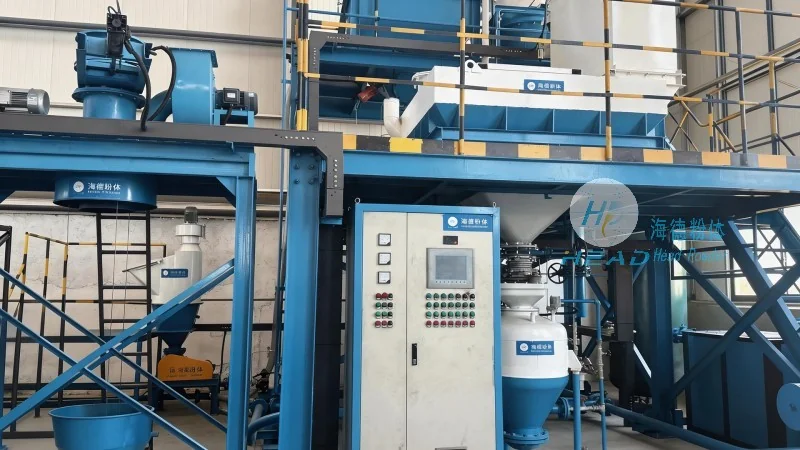
A typical sand material conveying line consists of several interconnected components that work in harmony to ensure smooth material flow. The primary elements include feeders, conveyors (such as belt conveyors, screw conveyors, or pneumatic systems), storage hoppers, and control systems. Each component plays a vital role in the overall functionality of the line. For instance, feeders regulate the flow of sand from storage bins to the conveyor, while conveyors transport the material to different stages of the casting process. Storage hoppers are used to accumulate sand before it is fed into the next stage, ensuring a consistent supply. Control systems, often integrated with sensors and automation technology, monitor the operation of the line and adjust parameters as needed to maintain optimal performance.
Design Principles for Efficient Material Handling
The design of a sand material conveying line is guided by several key principles aimed at maximizing efficiency, reliability, and cost-effectiveness. One of the fundamental principles is the minimization of material degradation and contamination. This is achieved through the use of appropriate conveyor types and materials, such as stainless steel or wear-resistant components, which prevent sand from breaking down or mixing with foreign substances. Another critical principle is the optimization of energy consumption. Modern conveying systems incorporate energy-efficient motors and variable speed drives, allowing operators to adjust the speed of the conveyor based on the volume of material being transported. This not only reduces energy costs but also extends the lifespan of the equipment.
Integration with Foundry Processes
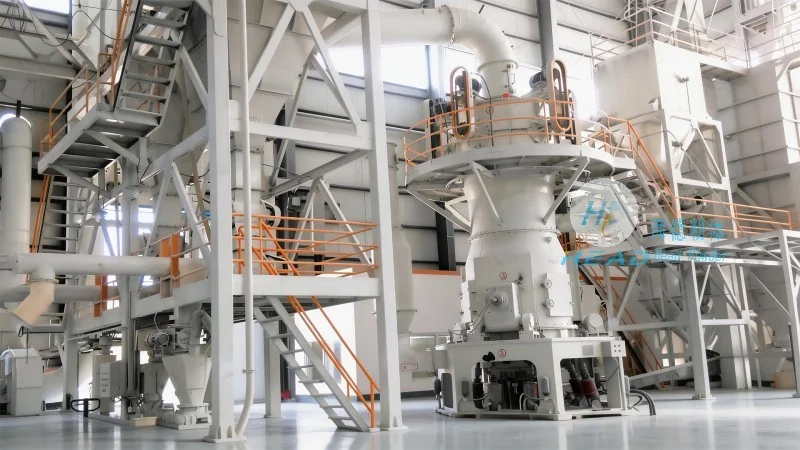
Sand material conveying lines are often integrated with other foundry processes, such as sand mixing, molding, and casting. This integration ensures a seamless flow of materials from raw sand storage to the final casting stage. For example, a conveying line may connect a sand storage silo to a mixing plant, where the sand is combined with binders and other additives. The mixed sand is then conveyed to the molding machines, where it is used to create molds for casting. This integrated approach minimizes downtime and improves the overall productivity of the foundry. Additionally, the design of the conveying line must consider the specific requirements of each process, such as the moisture content of the sand or the size of the particles, to ensure that the material meets the quality standards for casting.
Maintenance and Operational Considerations
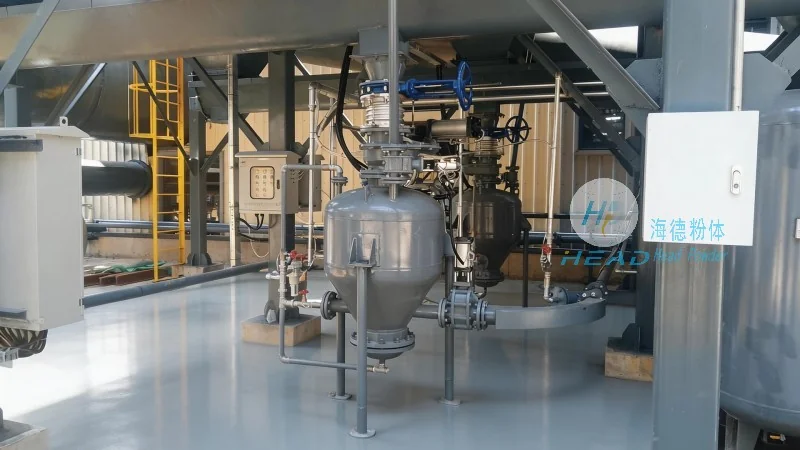
Proper maintenance is essential to ensure the long-term performance and reliability of a sand material conveying line. Regular inspections and maintenance activities, such as cleaning conveyor belts, checking for wear and tear on components, and lubricating moving parts, are critical to prevent breakdowns and extend the lifespan of the equipment. Additionally, operators should monitor the performance of the line regularly, using data from sensors and control systems to identify any issues before they become major problems. This proactive approach helps to minimize downtime and reduce maintenance costs. Furthermore, the design of the conveying line should include features that facilitate maintenance, such as easy access to components and removable parts, making it simpler to perform repairs and replacements.
Conclusion
Sand material conveying lines are sophisticated systems that play a vital role in the efficiency and productivity of foundry operations. By understanding the key components and design principles of these lines, manufacturers can optimize their material handling processes, reduce costs, and improve the quality of their castings. The integration of modern technology, such as automation and energy-efficient components, further enhances the performance of these systems. As the foundry industry continues to evolve, the importance of well-designed and maintained sand material conveying lines will only increase, making them a critical investment for any company operating in this sector.