

What is a Chili Powder Material Handling System? Understanding Its Design Principles
Chili powder, a vibrant and flavorful spice widely used in culinary applications worldwide, demands specialized handling equipment to maintain its quality and ensure efficient processing. The chili powder material handling system is a critical infrastructure in food processing facilities, designed to manage the unique properties of this product, including its fine particle size, potential for caking, and sensitivity to moisture and temperature. This system integrates various components such as feeders, conveyors, storage silos, and processing units, working in tandem to facilitate the seamless flow of chili powder from raw material storage to final product packaging. Understanding the design principles and operational aspects of such systems is essential for food manufacturers aiming to optimize their production processes and ensure product consistency.
Key Components and Their Functions
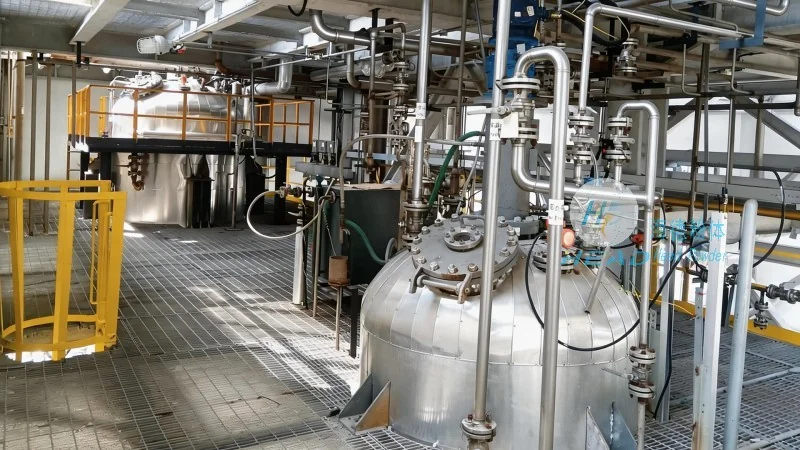
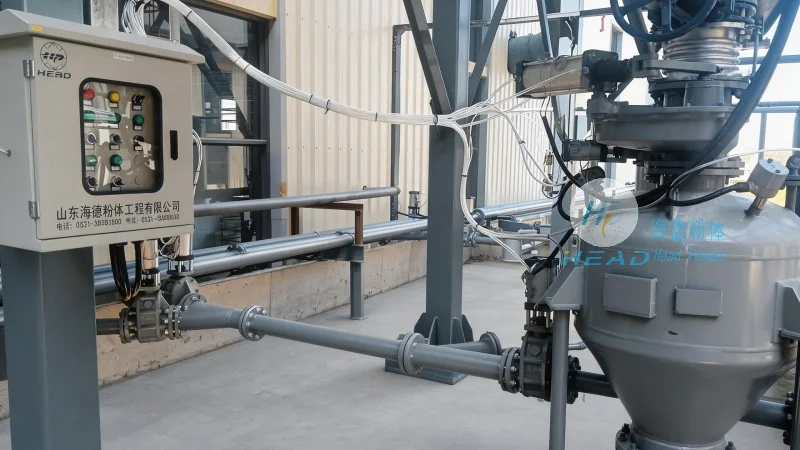
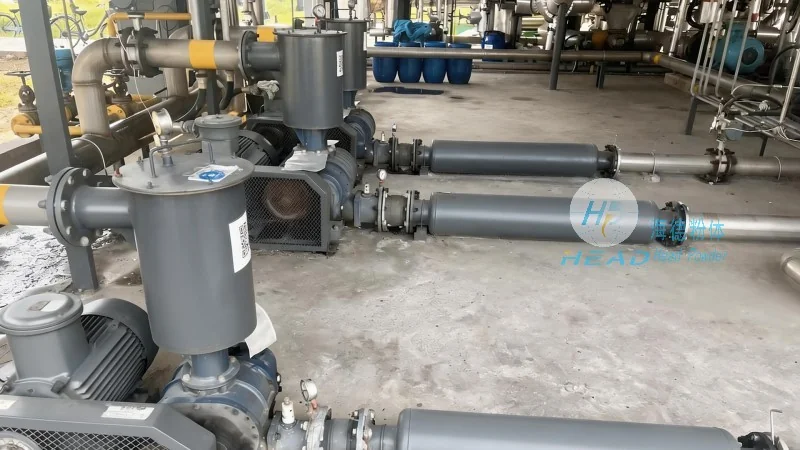
The chili powder material handling system comprises several key components, each serving a specific role in the overall process. The primary components include storage silos, which are typically made of food-grade stainless steel to prevent contamination and corrosion. These silos are designed with airtight seals and temperature control mechanisms to maintain the quality of the chili powder by minimizing exposure to air and moisture. The next component is the feeder, often a rotary or vibratory type, which regulates the flow of chili powder from the silo to the processing line. This ensures a consistent and controlled feed rate, preventing overloading or underfeeding of downstream equipment. Conveyors, such as belt or pneumatic systems, are used to transport the chili powder between different stages of the process. Pneumatic conveyors, in particular, are advantageous for handling fine powders over longer distances, as they use air pressure to move the product without physical contact, reducing the risk of contamination and product degradation. Additionally, the system may include processing units like mills or grinders, which further refine the chili powder to the desired particle size. These units are equipped with stainless steel blades and protective enclosures to maintain product integrity and operator safety.
Design Principles for Optimal Performance
The design of a chili powder material handling system is guided by several fundamental principles to ensure efficiency, safety, and product quality. One of the most critical principles is the prevention of caking and agglomeration. Chili powder is prone to forming clumps due to moisture absorption or temperature changes, which can cause blockages in equipment and affect product flow. To address this, the system incorporates features like temperature-controlled storage and moisture-resistant materials. For instance, the storage silos may be equipped with heating elements to maintain a consistent temperature, preventing moisture buildup. The feeder and conveyor components are also designed with smooth surfaces and minimal dead zones to reduce the likelihood of powder accumulation. Another key principle is the minimization of product exposure to air and light. Chili powder can lose its color and flavor when exposed to light and oxygen, so the system is engineered with airtight seals and enclosed pathways to protect the product. The use of stainless steel and other non-reactive materials further ensures that the product does not undergo chemical changes during handling. Additionally, the system is designed with adjustable speed controls and variable flow rates, allowing operators to adapt to different production requirements, such as batch processing or continuous operation. This flexibility enhances the system's versatility and ensures it can meet the demands of various food processing applications.
Operational Efficiency and Maintenance
Operational efficiency and the longevity of the chili powder material handling system depend on regular maintenance and adherence to best practices. Proper cleaning is a critical aspect of maintenance, as chili powder residue can accumulate in the system and lead to blockages or contamination. The system may include self-cleaning mechanisms, such as rotary brushes or air jets, which are activated during downtime to remove residue from conveyor belts and silo walls. Scheduled maintenance routines, including inspections of bearings, seals, and motor components, help identify potential issues before they escalate into major problems. Monitoring equipment, such as flow meters and pressure sensors, provide real-time data on the system's performance, allowing operators to detect anomalies early and take corrective action. The design of the system also considers ergonomic aspects, ensuring that operators can easily access and maintain components without compromising safety. For example, the silos may have removable panels for cleaning, and the conveyors may have adjustable height mechanisms for maintenance. Proper training for personnel on the system's operation and maintenance is crucial to maximize its lifespan and performance. Trained operators can ensure that the system operates at optimal efficiency, reducing downtime and maintenance costs.