

What is Sand and Gravel Powder Pneumatic Conveying? What are the Design Principles?
For industries dealing with sand, gravel, and other fine particulate materials, efficient material handling is crucial for operational efficiency and cost-effectiveness. Pneumatic conveying systems offer a solution by transporting these materials through a pipeline using pressurized or vacuum air. This method, known as sand and gravel powder pneumatic conveying, is widely used in construction, mining, and manufacturing sectors. The effectiveness of such systems depends heavily on a thorough understanding of the underlying design principles and system components.
Key Components of a Pneumatic Conveying System
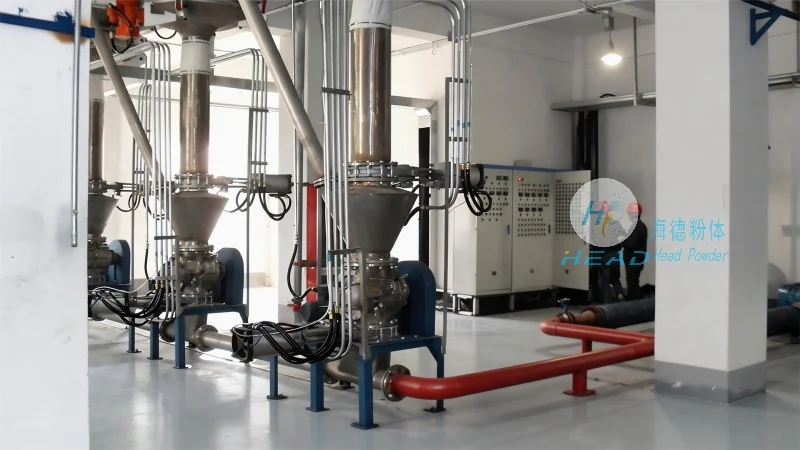
A typical pneumatic conveying system for sand and gravel powders consists of several critical components that work in tandem to ensure reliable material transport. The primary elements include a material feed hopper, a conveying pipeline, a pneumatic transport device (such as a blower or vacuum pump), and a discharge unit. The feed hopper is designed to hold the bulk material and regulate its flow into the system. The pipeline, often made of stainless steel or other corrosion-resistant materials, is sized and configured to minimize pressure drop and prevent material settling. The transport device provides the necessary air pressure or vacuum to move the material through the pipeline. Finally, the discharge unit collects the material at the destination point, ensuring a controlled and efficient release.
Design Principles for Optimal Performance
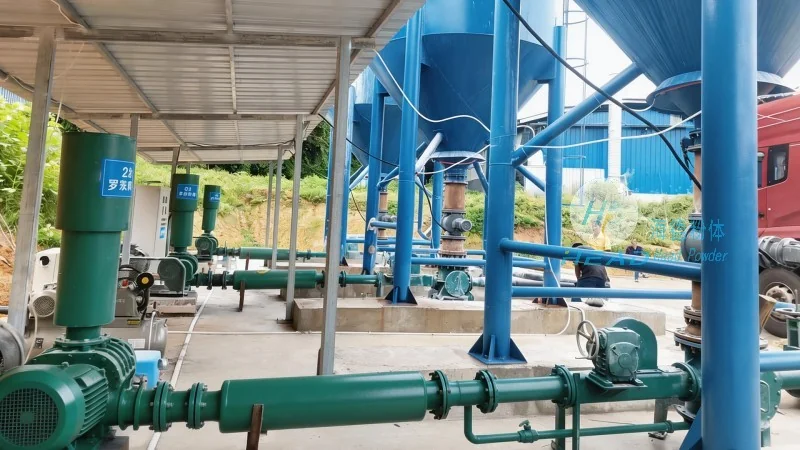
The design of a sand and gravel powder pneumatic conveying system involves several key principles aimed at maximizing efficiency, minimizing energy consumption, and ensuring long-term reliability. One of the most critical factors is the selection of the appropriate conveying method—either dense-phase or dilute-phase. Dense-phase systems operate at lower air velocities, using larger air volumes to move material in a plug flow, which reduces material degradation and wear on the system components. Dilute-phase systems, on the other hand, use higher air velocities and smaller air volumes, suitable for shorter distances or less abrasive materials. The choice between these methods depends on the specific application, material characteristics, and system constraints.
Material Characteristics and System Adaptation
The physical and chemical properties of the sand and gravel powders being conveyed play a significant role in system design. Factors such as particle size distribution, moisture content, and abrasiveness directly impact the system's performance. For example, fine particles may require higher air velocities to prevent clogging, while abrasive materials demand more robust pipeline and component materials to extend service life. Engineers must carefully analyze these characteristics to select the right equipment and system parameters. Additionally, the system's design must account for the potential for material segregation or agglomeration, which can affect flow and transport efficiency. Proper hopper design and flow control mechanisms are essential to mitigate these issues and maintain consistent material handling.
Energy Efficiency and System Optimization
Energy consumption is a key consideration in the design and operation of pneumatic conveying systems. Efficient system design aims to minimize energy use while maintaining the required material transport capacity. This involves optimizing the air pressure and flow rate, selecting the appropriate pipeline diameter, and ensuring minimal pressure losses. Advanced control systems can further enhance energy efficiency by adjusting air flow based on real-time material demand. For example, variable frequency drives (VFDs) on the transport device allow for dynamic adjustment of air volume, reducing energy waste during periods of low material flow. Additionally, regular maintenance and system monitoring help identify and address inefficiencies, ensuring the system operates at peak performance.
Reliability and Maintenance Considerations
Long-term reliability is a critical aspect of any industrial system, and pneumatic conveying systems are no exception. Proper design and maintenance are essential to minimize downtime and extend the life of the equipment. Regular inspection of pipeline and component integrity is necessary to prevent leaks or blockages. The use of high-quality materials, such as stainless steel for pipelines and wear-resistant components for the transport device, helps reduce maintenance frequency. Additionally, implementing a preventive maintenance schedule, including cleaning and lubrication of moving parts, can significantly extend the system's operational life. For sand and gravel applications, where abrasive materials are common, additional measures such as regular pipeline cleaning and replacement of worn parts are recommended to maintain system efficiency.
Application Examples and Industry Use Cases
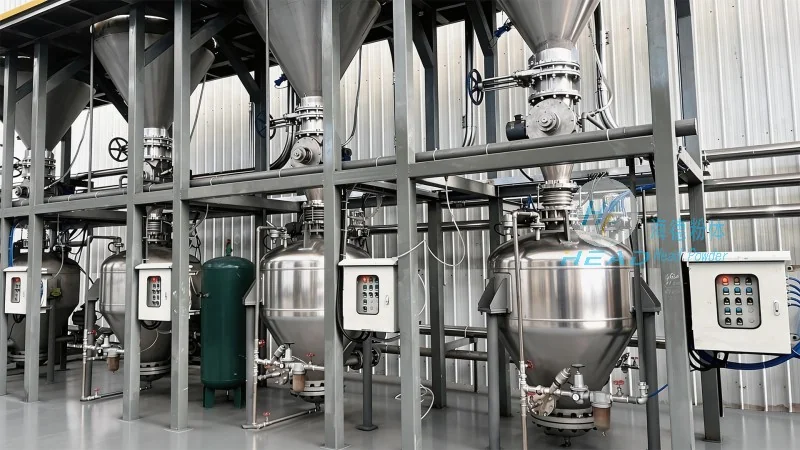
Sand and gravel powder pneumatic conveying systems are widely used in various industries, each with specific requirements. In the construction industry, these systems are used to transport sand and gravel for concrete production, ensuring a consistent supply of raw materials to batching plants. In mining operations, they help move crushed ore or fine particulate materials from processing facilities to storage or further processing units. Manufacturing industries, particularly those involved in cement production or mineral processing, also rely on pneumatic conveying to transport raw materials and finished products. Each application may require adjustments to system design, such as varying pipeline lengths or material feed rates, to meet the specific demands of the process.
Conclusion: The Importance of Professional Design and Implementation
Effective sand and gravel powder pneumatic conveying systems rely on a combination of sound engineering principles, careful material analysis, and professional system design. The design principles discussed, including the selection of conveying method, material adaptation, energy efficiency, and maintenance considerations, are critical to ensuring the system operates reliably and efficiently. For industries seeking to optimize their material handling processes, partnering with experienced engineering firms is essential. Companies like Shandong HeadPowder Engineering Co., Ltd., with expertise in pneumatic conveying systems, provide comprehensive solutions tailored to specific application needs. By leveraging their knowledge and experience, businesses can achieve improved operational efficiency, reduced costs, and enhanced productivity in their material handling operations.