

What is a Glucose Material Pneumatic Conveying System? What Are Its Design Principles?
Glucose material pneumatic conveying systems are specialized industrial solutions designed to transport granular or powdered materials, such as glucose, efficiently and safely. These systems utilize air or other gases to move the material from one location to another, offering advantages over traditional mechanical conveying methods like belt conveyors or screw conveyors. The technology is widely used in the food processing, pharmaceutical, and chemical industries due to its ability to handle sensitive materials without contamination or degradation.
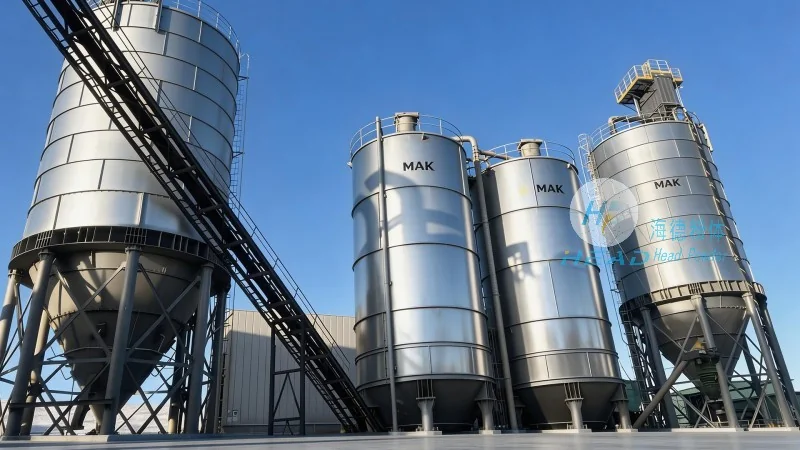
At Shandong HeadPowder Engineering Co., Ltd., we specialize in designing and manufacturing high-quality pneumatic conveying systems tailored to the unique needs of glucose and other similar materials. Our team of experienced engineers and technicians works closely with clients to understand their specific requirements, ensuring that the final system meets all operational and safety standards. The company, commonly known as HeadPowder, is committed to providing reliable, efficient, and cost-effective solutions that enhance productivity and reduce downtime in material handling processes.
Understanding Pneumatic Conveying Systems for Glucose
Pneumatic conveying systems operate by creating a pressure differential between the material source and the destination. This is typically achieved through positive pressure (where air is forced into the system) or negative pressure (where air is drawn out). For glucose, which is a hygroscopic and sensitive material, the choice of conveying method is critical. Positive pressure systems are often preferred as they can maintain a controlled environment, preventing moisture absorption and ensuring the material remains in its optimal condition throughout the transport process.
Key Design Principles for Glucose Material Conveying
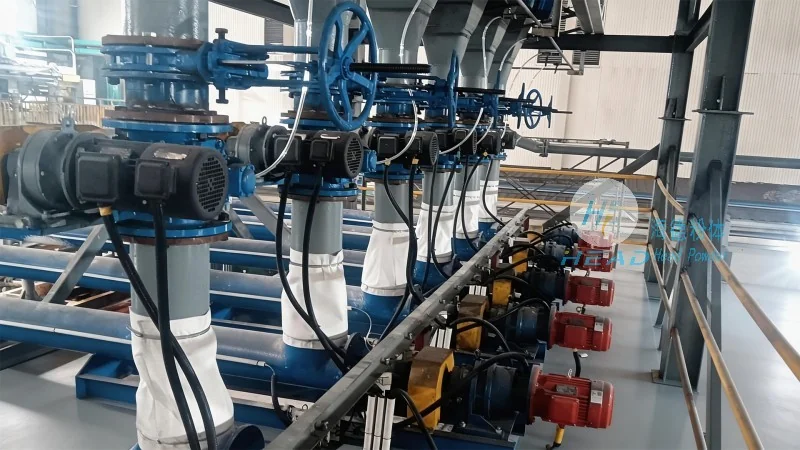
The design of a glucose pneumatic conveying system involves several key principles that ensure optimal performance and material integrity. First, the system must be designed to minimize material degradation. This includes controlling the velocity of the conveying air to prevent particle breakage and ensuring that the system operates within the recommended velocity range for the specific material. Second, the system must be constructed from materials that are compatible with glucose and do not introduce contaminants. Stainless steel is commonly used for the conveying lines and equipment due to its corrosion resistance and ability to maintain hygiene standards. Third, the system must incorporate features that prevent product buildup and blockages, such as appropriate venting and cleaning mechanisms. Finally, the system must be designed for easy maintenance and cleaning, which is essential for maintaining the quality of the glucose product and complying with industry regulations.
Components of a Typical Glucose Pneumatic Conveying System
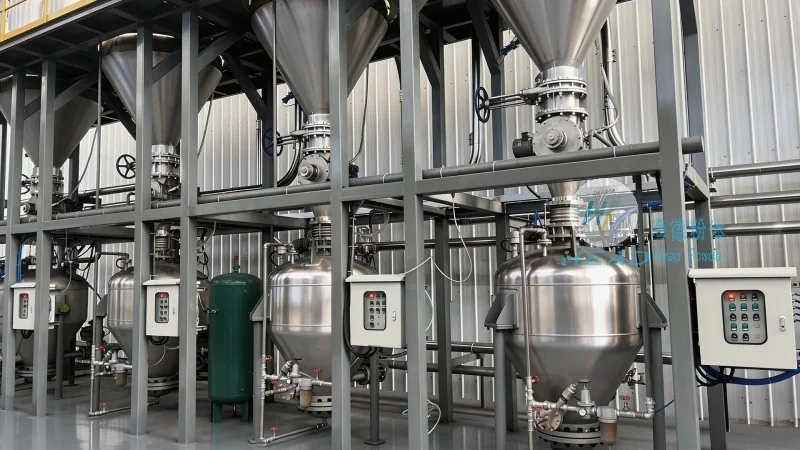
A standard glucose pneumatic conveying system consists of several key components that work together to achieve efficient material transport. These components include a material feeder, which is responsible for introducing the glucose into the conveying line at a controlled rate. The feeder may be a rotary valve or a screw feeder, depending on the system design. Next, the conveying line itself, which is typically made of stainless steel and equipped with appropriate fittings and elbows to direct the material flow. The line is connected to a blower or compressor that provides the necessary air pressure to move the material. The system may also include a filter or separator to remove any air from the material stream, ensuring that the glucose is delivered to the destination without any residual air. Finally, the system includes a discharge hopper or tank where the glucose is collected after transport.
Advantages of Using Pneumatic Conveying for Glucose
There are several advantages to using pneumatic conveying systems for glucose compared to other material handling methods. One of the primary advantages is the ability to handle sensitive materials without contamination. Unlike mechanical conveyors, which can introduce metal particles or other contaminants into the material, pneumatic systems use air as the conveying medium, ensuring that the glucose remains pure and free from impurities. Another advantage is the reduced risk of product degradation. The controlled environment of the system, combined with the low friction between the material and the conveying line, minimizes the risk of particle breakage or moisture absorption. Additionally, pneumatic systems are more flexible in terms of layout, as they can be installed in a variety of configurations to suit the specific needs of the facility. This flexibility allows for easier integration with existing equipment and processes, reducing the need for major facility modifications.
Customization and Integration with HeadPowder Systems
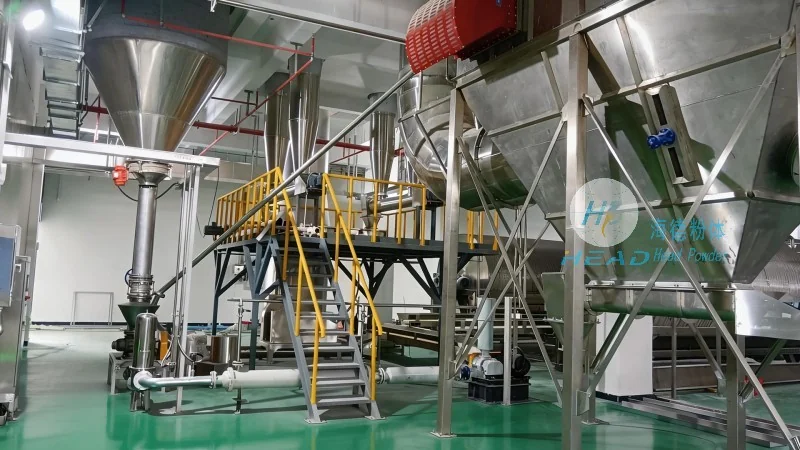
At Shandong HeadPowder Engineering Co., Ltd., we understand that each facility has unique requirements when it comes to material handling. That's why we offer customized pneumatic conveying systems that are tailored to the specific needs of our clients. Our team works closely with clients to design systems that integrate seamlessly with their existing equipment and processes. We consider factors such as the volume of material to be transported, the distance between the source and destination, the required material flow rate, and any specific operational constraints. By customizing the system, we ensure that it operates at peak efficiency, minimizing energy consumption and maximizing productivity. Our systems are also designed with ease of maintenance in mind, ensuring that clients can quickly and easily perform routine maintenance tasks without disrupting production.
Ensuring Compliance and Quality with HeadPowder
When it comes to handling glucose and other sensitive materials, compliance with industry regulations is paramount. At HeadPowder, we are committed to ensuring that our systems meet all relevant standards and regulations. Our systems are designed and manufactured to comply with food safety regulations, such as those set by the FDA and other regulatory bodies. We use materials that are approved for food contact and ensure that the system is easy to clean and sanitize. Additionally, our systems are equipped with features that help monitor and control the conveying process, such as pressure sensors and flow meters. These features allow for real-time monitoring of the system's performance, ensuring that any issues are detected and addressed promptly. By focusing on compliance and quality, we help our clients maintain the highest standards of product quality and safety.