

What is Calcium Powder Material Pneumatic Conveying Equipment? And What Are Its Design Principles?
For industrial applications involving calcium powder, efficient material handling is crucial. The calcium powder material pneumatic conveying equipment, a specialized system designed to transport fine powders like calcium powder through air pressure, plays a vital role in modern production processes. This equipment not only enhances operational efficiency but also ensures the safe and reliable movement of calcium powder from one location to another within a facility.
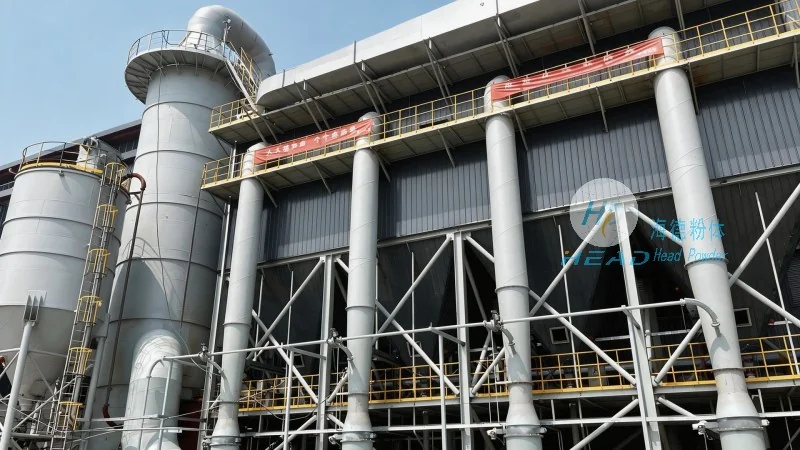
Introduction to Calcium Powder Material Pneumatic Conveying Equipment
Calcium powder, widely used in various industries such as construction, pharmaceuticals, and food processing, requires specialized handling due to its fine particle size and potential for dust generation. Traditional methods like manual handling or mechanical conveyors may pose challenges in terms of efficiency, safety, and product quality. The pneumatic conveying equipment addresses these issues by utilizing air pressure to transport calcium powder in a controlled manner. This system is particularly effective for handling calcium powder because it minimizes product contamination, reduces labor costs, and improves overall production throughput.
Design Principles of Pneumatic Conveying Equipment for Calcium Powder
The design of calcium powder material pneumatic conveying equipment is based on several key principles that ensure optimal performance. The primary design principle is the use of air as the conveying medium, which allows for the efficient transport of fine powders. The equipment typically consists of a hopper, a blower or compressor, a pipeline system, and a receiver. The hopper stores the calcium powder, while the blower generates the necessary air pressure to move the powder through the pipeline. The pipeline is designed with appropriate diameters and bends to minimize pressure drop and prevent powder buildup or blockages. The receiver collects the conveyed calcium powder at the destination point.
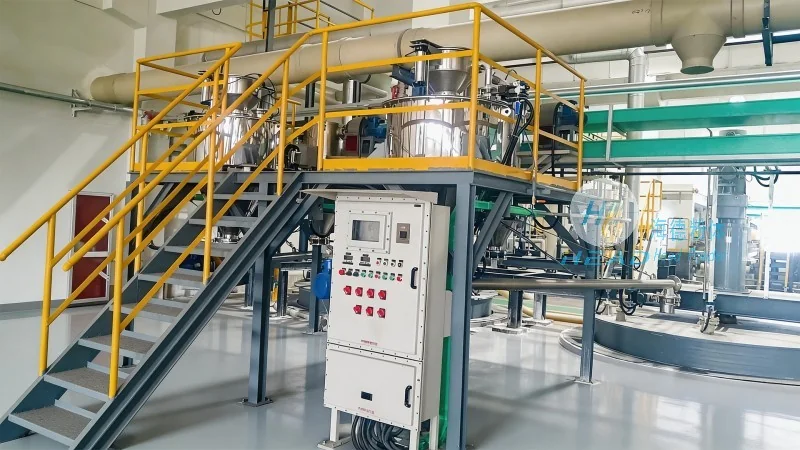
Key Components and Their Functions in the Equipment
Several critical components work together to ensure the smooth operation of the calcium powder pneumatic conveying system. The hopper is a crucial part as it holds the calcium powder and provides a controlled feeding mechanism. The hopper is often equipped with a rotary valve or a feeder to regulate the flow of powder into the pipeline. The blower or compressor is the heart of the system, generating the air pressure required to move the powder. It must be capable of maintaining a consistent pressure to avoid fluctuations that could affect the conveying efficiency. The pipeline system is designed with smooth, non-porous materials to prevent powder adhesion and ensure easy cleaning. The receiver, typically a storage tank or a discharge hopper, collects the conveyed calcium powder at the end of the conveying line. It may also include a dust collection system to capture any airborne particles and maintain a clean working environment.
Advantages of Using Pneumatic Conveying for Calcium Powder
Implementing a pneumatic conveying system for calcium powder offers numerous advantages over traditional handling methods. One of the most significant benefits is the reduction in product contamination. Since the powder is transported in an enclosed system, it is protected from external contaminants such as moisture, dust, or other particles. This is particularly important for calcium powder used in pharmaceutical or food applications where purity is paramount. Additionally, pneumatic conveying reduces labor costs as it minimizes the need for manual handling and reduces the risk of workplace injuries associated with lifting heavy or dusty materials. The system also improves production efficiency by allowing for continuous operation, which can increase the overall throughput of the facility. Furthermore, the enclosed design helps in controlling dust emissions, contributing to a safer and more environmentally friendly workplace.
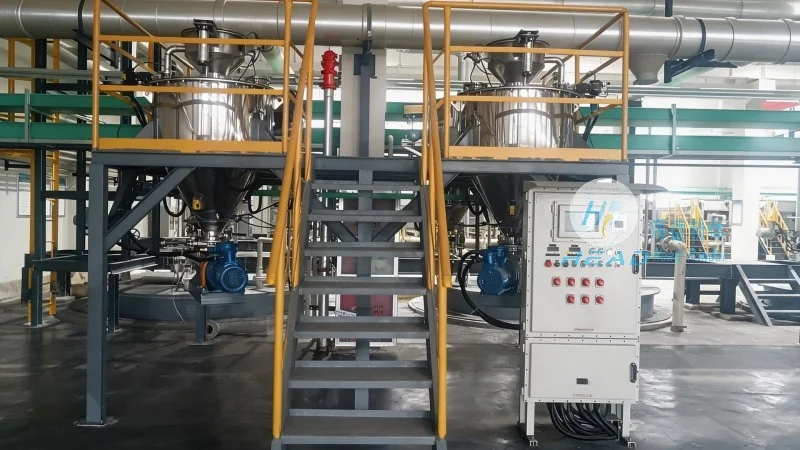
Applications of Calcium Powder Pneumatic Conveying Equipment
The calcium powder material pneumatic conveying equipment is widely used in various industrial applications where fine powders need to be transported. In the construction industry, it is used to transport calcium powder for concrete additives, ensuring consistent mixing and quality control. In the pharmaceutical industry, it is employed to handle calcium supplements or other calcium-based medications, maintaining the purity and integrity of the product. The food industry also utilizes this equipment for calcium-rich ingredients like calcium carbonate in food products. Additionally, in the chemical industry, it is used to transport calcium-based chemicals for various manufacturing processes. The versatility of the pneumatic conveying system makes it suitable for a wide range of applications, adapting to different powder characteristics and production requirements.
Considerations for Selecting and Implementing the Equipment
When selecting and implementing a calcium powder pneumatic conveying system, several factors need to be considered to ensure optimal performance and cost-effectiveness. The first consideration is the particle size and density of the calcium powder. Fine powders with smaller particle sizes may require higher air pressure and more efficient feeding mechanisms to prevent blockages. The material of construction is another critical factor, as it must be resistant to corrosion and wear from the calcium powder. The system must also be designed to handle the specific flow rate and volume requirements of the production process. Additionally, the location and layout of the facility play a role in determining the pipeline design and the placement of the hopper and receiver. Proper maintenance and cleaning procedures are essential to prevent powder buildup and ensure the longevity of the equipment. Regular inspections and servicing of the blower, pipeline, and other components are necessary to maintain the system's efficiency and reliability.