

What is a Foam Particle Material Pneumatic Conveying Line? And What Are Its Design Principles?
For industries dealing with fine or powdery materials, efficient and reliable material handling systems are crucial. A foam particle material pneumatic conveying line is a specialized system designed to transport such materials using air as the primary medium. This technology offers a solution to the challenges of transporting delicate, abrasive, or potentially hazardous powders over long distances or within complex processing environments.
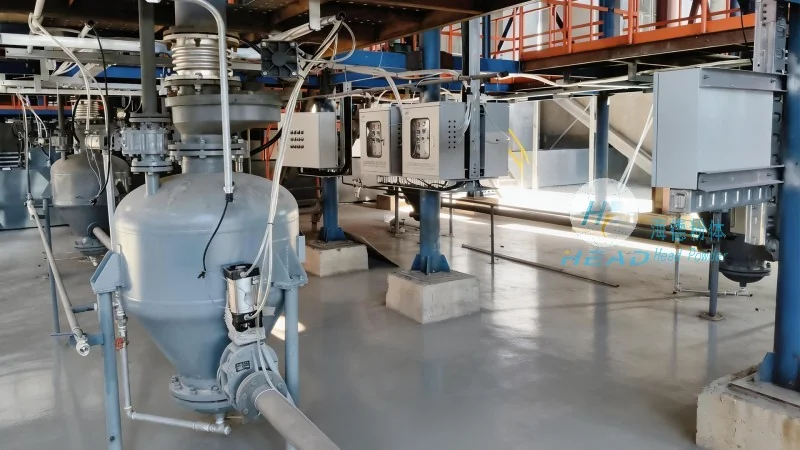
Understanding the Foam Particle Material Pneumatic Conveying Line
At its core, this system utilizes a combination of air pressure and foam to move particles through a pipeline. The foam, created by injecting a small amount of liquid into the air stream, increases the density and carrying capacity of the air, allowing it to transport larger quantities of material with less pressure drop compared to traditional pneumatic conveying methods. This makes it particularly suitable for handling fine powders that might otherwise be difficult to transport efficiently.
The Design Principles Behind the System
The design of a foam particle material pneumatic conveying line is based on several key principles that ensure optimal performance and material integrity. First, the system must maintain a stable foam structure within the pipeline. This is achieved by controlling the air and liquid flow rates, ensuring that the foam remains intact as it travels from the source to the destination. Second, the system must minimize material degradation and caking. By using low-pressure air and controlled foam, the particles are less likely to experience friction or agglomeration, preserving their quality throughout the conveying process.
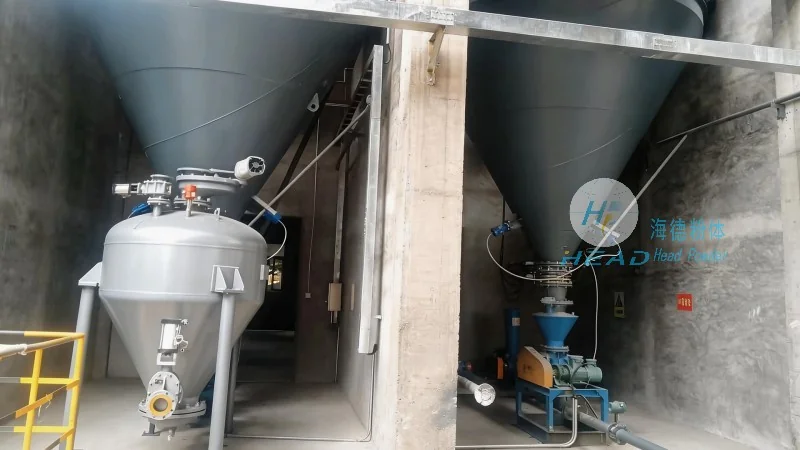
Key Components and Their Functions
Several components work together to make the foam particle material pneumatic conveying line function effectively. The primary components include the material feeder, which introduces the powder into the system; the foam generator, which mixes air and liquid to create the foam; the conveying pipeline, which transports the material; and the receiver, which collects the material at the end of the line. Each component is carefully designed to handle the specific characteristics of the foam and the particles being transported, ensuring smooth operation and minimal maintenance.
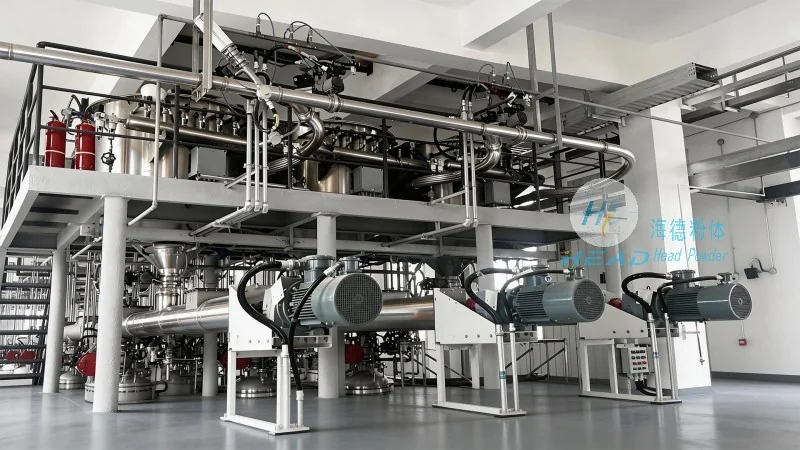
Advantages of Using a Foam Particle Material Pneumatic Conveying Line
Compared to other material handling methods, such as belt conveyors or bucket elevators, the foam particle material pneumatic conveying line offers several advantages. It is capable of transporting materials over long distances with minimal energy consumption, and it can handle materials that are difficult to move using traditional methods due to their fine particle size or abrasive nature. Additionally, the system is relatively compact and can be integrated into existing processing facilities with minimal disruption. The foam technology also helps to reduce dust emissions, making it a more environmentally friendly option for handling powders.
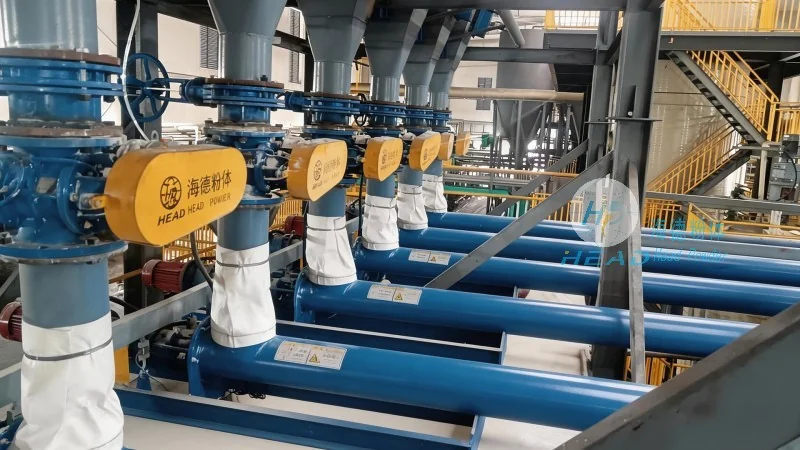
Applications in Various Industries
The foam particle material pneumatic conveying line is widely used in a variety of industries, including pharmaceuticals, food processing, chemicals, and mining. In the pharmaceutical industry, it is used to transport active pharmaceutical ingredients (APIs) and other fine powders with high purity requirements. In the food industry, it is used to handle ingredients like sugar, flour, and spices, ensuring that the materials remain fresh and free from contamination. In the chemical industry, it is used to transport abrasive powders and hazardous materials, providing a safe and efficient way to move these materials through the production process.
Conclusion
For businesses looking to improve their material handling processes, a foam particle material pneumatic conveying line from Shandong HeadPowder Engineering Co., Ltd. offers a reliable and efficient solution. By leveraging the principles of foam technology, this system provides a cost-effective and environmentally friendly way to transport fine powders, ensuring that materials are handled with care and delivered to their destination in optimal condition. With its advanced design and robust construction, this system is built to meet the demands of modern industrial applications, providing long-term performance and minimal downtime.