

What is a Low-Pressure Bulk Material Pneumatic Conveying System? And What Are Its Design Principles?
For industries dealing with bulk materials, efficient and reliable material handling is crucial. A low-pressure bulk material pneumatic conveying system offers a solution that combines simplicity, versatility, and cost-effectiveness. This article will explore what such a system is and delve into its fundamental design principles, providing insights into how it operates and its practical applications.
About HeadPowder Engineering
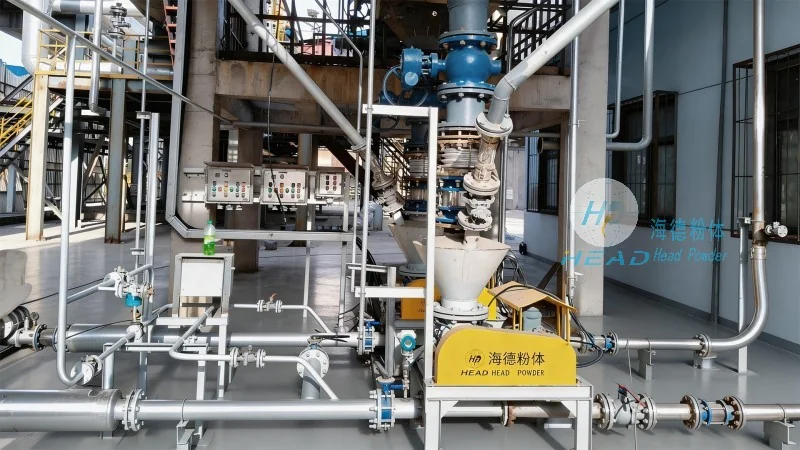
HeadPowder, a leading manufacturer based in Shandong, China, specializes in the design, manufacturing, and supply of advanced material handling equipment. With a strong commitment to quality and innovation, HeadPowder Engineering Co., Ltd. has established itself as a trusted partner for businesses seeking efficient solutions for bulk material transport. The company’s headquarters is located in Shandong, China, where its team of experts develops and produces cutting-edge pneumatic conveying systems tailored to meet diverse industrial needs.
Understanding Low-Pressure Pneumatic Conveying
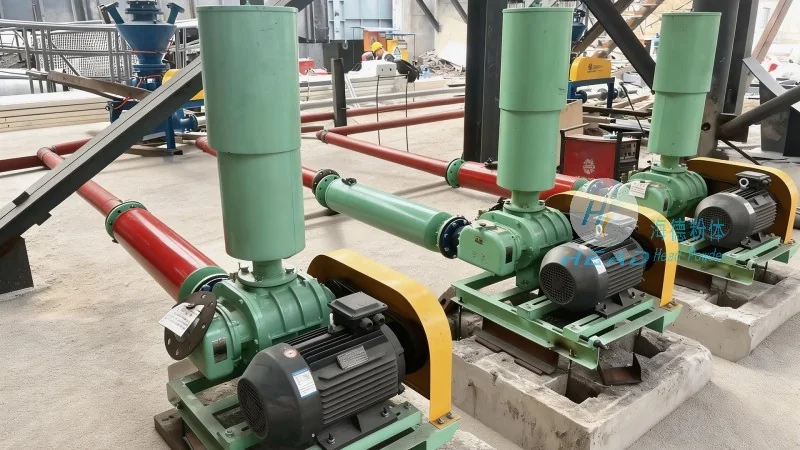
A low-pressure bulk material pneumatic conveying system is a type of equipment used to transport dry bulk materials through a pipeline using a low-pressure air stream. Unlike high-pressure systems, which rely on high air velocity to move materials, low-pressure systems operate at lower air pressures, typically ranging from 0.5 to 2 bar. This lower pressure requirement makes low-pressure systems more energy-efficient and cost-effective, especially for applications involving long-distance or large-volume material transport. The system consists of several key components, including a material feeder, a conveying line, a receiver, and an air compressor. The material feeder introduces the bulk material into the pipeline, while the air compressor generates the necessary air flow to move the material through the system. The conveying line is usually made of stainless steel or other corrosion-resistant materials to ensure durability and prevent material contamination. The receiver collects the conveyed material at the end of the pipeline, and the air compressor maintains the air pressure to keep the system operational.
Design Principles of Low-Pressure Pneumatic Conveying Systems
The design of a low-pressure bulk material pneumatic conveying system is based on several key principles that ensure efficient and reliable material transport. The first principle is the balance between air velocity and material velocity. The air velocity must be sufficient to lift and transport the material particles through the pipeline, but not so high that it causes excessive wear on the equipment or leads to material degradation. The material velocity is determined by the size, shape, and density of the material being conveyed, as well as the air pressure and flow rate. Engineers must calculate the appropriate air velocity and flow rate to achieve optimal material transport without causing blockages or excessive energy consumption.
The second principle is the system's pressure drop. The pressure drop across the conveying line is a critical factor in determining the system's performance. It is influenced by the length and diameter of the pipeline, the number of bends and fittings, and the type of material being conveyed. The pressure drop must be minimized to ensure that the air compressor can maintain the required pressure without excessive energy use. This is achieved through the use of smooth, well-designed pipelines and appropriate fittings that reduce friction and turbulence.
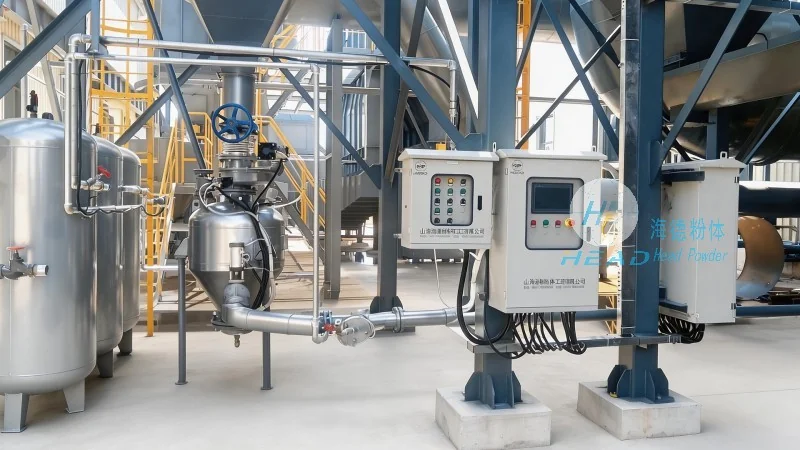
The third principle is the system's capacity. The capacity of a low-pressure pneumatic conveying system is determined by the air flow rate and the material's bulk density. The system must be designed to handle the required volume of material while maintaining the desired air pressure. This involves selecting the appropriate air compressor size and conveying line diameter. The capacity is also affected by the material's flow properties, such as its angle of repose and cohesive properties, which can impact the material's ability to flow through the pipeline.
The fourth principle is the system's reliability and maintenance. Low-pressure systems are generally more reliable than high-pressure systems due to their lower operating pressures and simpler components. However, regular maintenance is still essential to ensure optimal performance. This includes checking the air compressor for proper operation, inspecting the conveying line for any signs of wear or damage, and cleaning the material feeder and receiver to prevent material buildup. HeadPowder Engineering emphasizes the importance of regular maintenance to extend the system's lifespan and minimize downtime.
Applications of Low-Pressure Pneumatic Conveying Systems
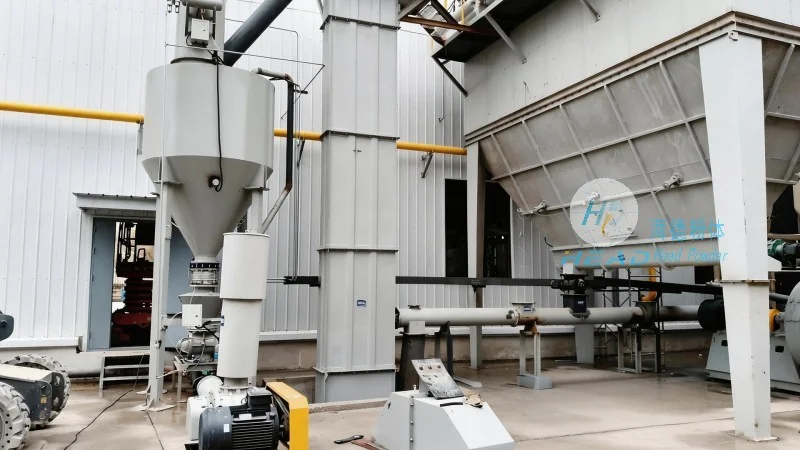
Low-pressure bulk material pneumatic conveying systems are widely used in various industries, including food and beverage, pharmaceuticals, chemicals, and mining. In the food industry, these systems are used to transport dry ingredients such as flour, sugar, and spices, as well as powdered products like milk powder and cocoa. The low-pressure design ensures that the material remains clean and free from contamination, which is critical in food processing. In the pharmaceutical industry, low-pressure systems are used to transport active pharmaceutical ingredients (APIs) and other sensitive materials, as they can be easily cleaned and sanitized to meet regulatory requirements. The chemical industry uses low-pressure systems to transport powders and granules, such as catalysts and pigments, while the mining industry utilizes them to transport ore and other bulk materials from processing plants to storage facilities.
Advantages of Low-Pressure Pneumatic Conveying
Low-pressure bulk material pneumatic conveying systems offer several advantages over other material handling methods. One of the main advantages is their versatility. They can handle a wide range of materials, including powders, granules, and small particles, with different flow properties. The systems can also be customized to meet specific application requirements, such as long-distance transport or large-volume handling. Another advantage is their energy efficiency. Compared to high-pressure systems, low-pressure systems consume less energy, resulting in lower operating costs. This is particularly beneficial for businesses operating on a tight budget or looking to reduce their carbon footprint. Additionally, low-pressure systems are more cost-effective to install and maintain, as they require less complex components and lower maintenance requirements. The simplicity of the system design also makes it easier to operate and troubleshoot, reducing the need for specialized technical personnel.