

Working Principle and Features of Trilithium Lithium Powder Pneumatic Conveying
Trilithium lithium powder pneumatic conveying represents a pivotal technology in the management of lithium-based materials, especially within the lithium-ion battery production sector. This method leverages air as the primary conveying medium to transport fine powders such as trilithium lithium, delivering advantages in operational efficiency, safety, and environmental sustainability. The subsequent sections will explore the working principle and key characteristics of this technology, offering a thorough understanding for industry professionals.
Working Principle of Trilithium Lithium Powder Pneumatic Conveying
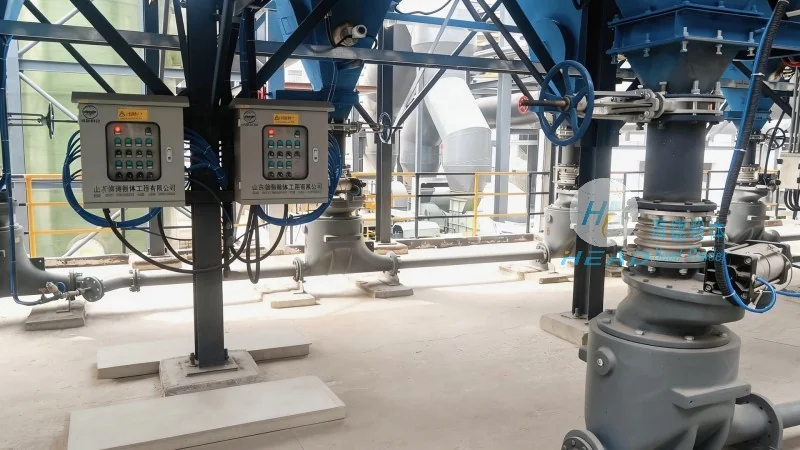
The fundamental mechanism of trilithium lithium powder pneumatic conveying revolves around utilizing a pressurized or vacuum system to move powder particles through a pipeline. The process typically incorporates several critical components and sequential steps. Initially, the trilithium lithium powder is fed into a hopper or feeder, which regulates the flow rate to ensure a consistent material supply. Subsequently, a fan or blower generates the necessary airflow, either by establishing a positive pressure (pressure conveying) or a negative pressure (vacuum conveying) within the system. The powder is then mixed with the air stream, forming either a dilute or dense phase flow, contingent on the system design and material properties. The air-powder mixture travels through the pipeline to the destination point, such as a silo, storage tank, or processing equipment. At the receiving end, a separator or cyclone separates the powder from the air, allowing the powder to be collected while the air is either recirculated or discharged. This entire process is controlled by a series of valves, sensors, and control systems to maintain optimal operation and prevent issues like blockages or material degradation.
Key Features and Advantages of Trilithium Lithium Powder Pneumatic Conveying
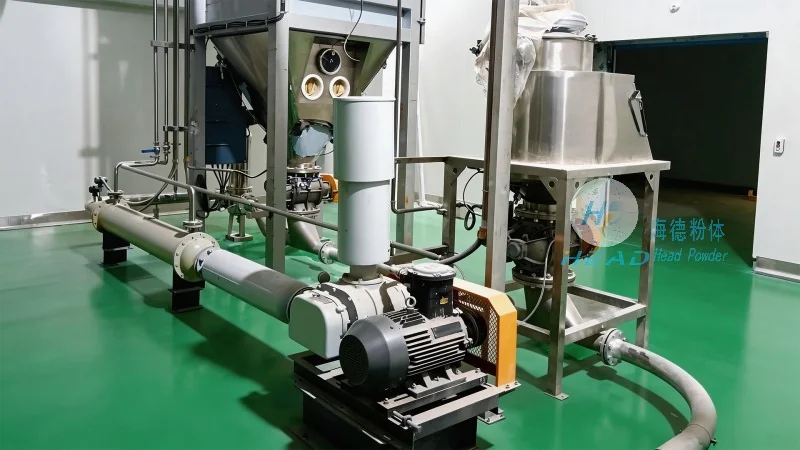
Trilithium lithium powder pneumatic conveying offers several distinct advantages that make it a preferred method for handling sensitive materials like lithium powders. One of the primary benefits is the capability to transport powders within a closed system, which minimizes exposure to air and moisture, thereby preserving the material's quality and preventing contamination. This is particularly vital for trilithium lithium, as it is highly reactive and can degrade when exposed to environmental factors. Additionally, the system allows for precise control over the flow rate and pressure, ensuring consistent and reliable material transport. The closed pipeline design also enhances safety by containing dust and preventing dust explosions, a significant concern with fine powders. Another advantage is the flexibility of the system, as it can be adapted to various production layouts and can handle different powder characteristics, including varying particle sizes and moisture content. The technology also contributes to improved operational efficiency by reducing labor costs associated with manual handling and minimizing material loss during transport. Furthermore, the system's compact design and ability to integrate with existing production lines make it a practical solution for modern manufacturing facilities.
Application and Industry Relevance
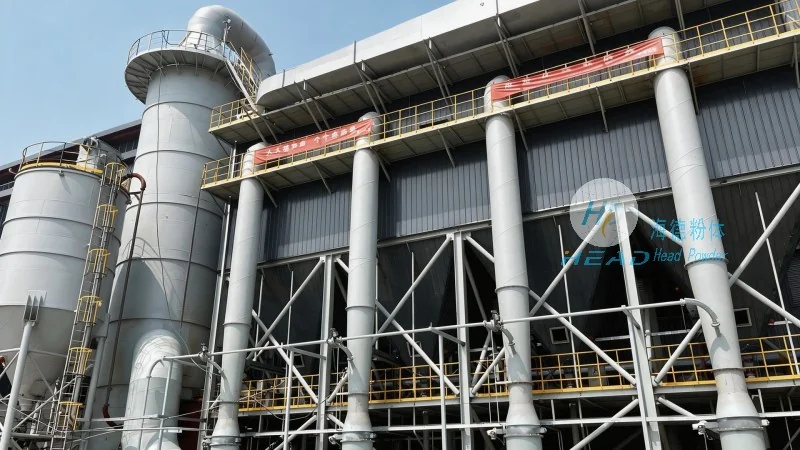
Trilithium lithium powder pneumatic conveying is widely utilized in the lithium battery manufacturing industry, where the efficient and safe handling of lithium powders is paramount. The technology is employed in various stages of battery production, including the mixing of raw materials, the transport of active materials to production lines, and the storage of finished powders. The ability to maintain the purity and integrity of trilithium lithium powders during transport is essential for ensuring the quality and performance of lithium-ion batteries. Companies in the battery sector, such as Shandong HeadPowder Engineering Co., Ltd., specialize in providing customized pneumatic conveying solutions tailored to the specific needs of lithium battery manufacturers. These solutions are designed to meet the stringent requirements of the industry, including high purity standards, minimal contamination, and efficient material flow. The expertise of companies like HeadPowder in pneumatic conveying technology has enabled them to support the growing demand for lithium-ion batteries globally, contributing to the advancement of clean energy technologies.
Conclusion and Future Outlook
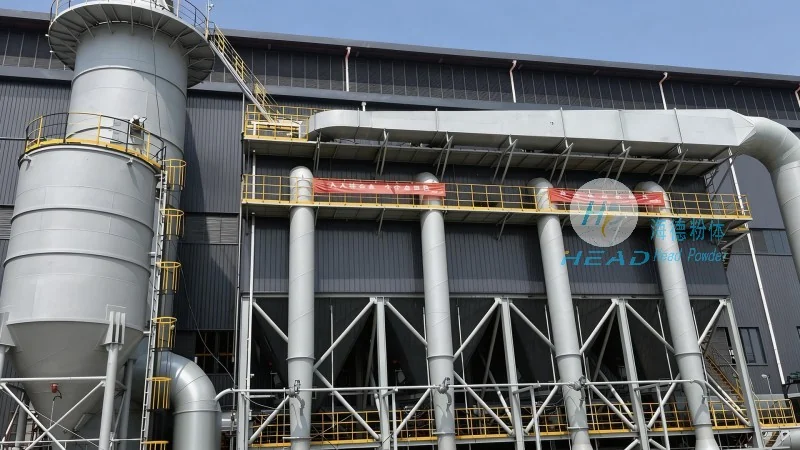
In conclusion, trilithium lithium powder pneumatic conveying is a sophisticated and effective method for handling lithium-based powders, offering numerous benefits in terms of safety, efficiency, and material preservation. The working principle, which relies on air as the conveying medium and a closed system, ensures that the trilithium lithium powder is transported with minimal exposure to external factors. The key features, including closed system operation, precise control, and flexibility, make this technology suitable for a wide range of applications in the lithium battery industry. As the demand for lithium-ion batteries continues to grow, the importance of reliable and efficient powder handling systems will only increase. Companies like Shandong HeadPowder Engineering Co., Ltd. play a vital role in providing advanced pneumatic conveying solutions that meet the evolving needs of the industry, supporting the development of sustainable energy technologies and the global transition to clean energy.