

Working Principle and Features of Pharmaceutical Granule Pneumatic Conveying Systems
Pharmaceutical granule pneumatic conveying systems represent a sophisticated solution for the efficient and hygienic transport of granular materials within pharmaceutical manufacturing facilities. These systems are integral to the production workflow, enabling seamless movement of active pharmaceutical ingredients (APIs), excipients, and other raw materials between processing stages such as mixing, drying, and packaging. The technology leverages the principles of fluid dynamics to move solid particles through a closed pipeline using a pressurized or vacuumed air stream. This approach offers significant advantages over traditional mechanical conveyors, including reduced risk of contamination, improved product quality, and enhanced operational flexibility. As pharmaceutical manufacturing increasingly emphasizes precision, safety, and regulatory compliance, pneumatic conveying systems have become indispensable in modern production lines.
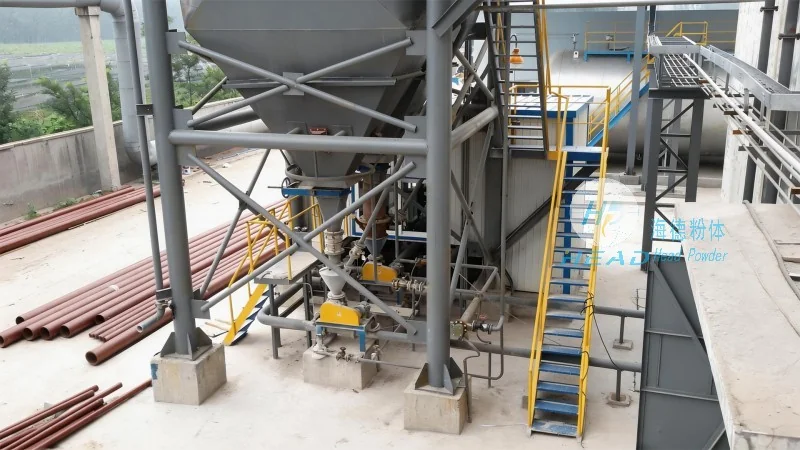
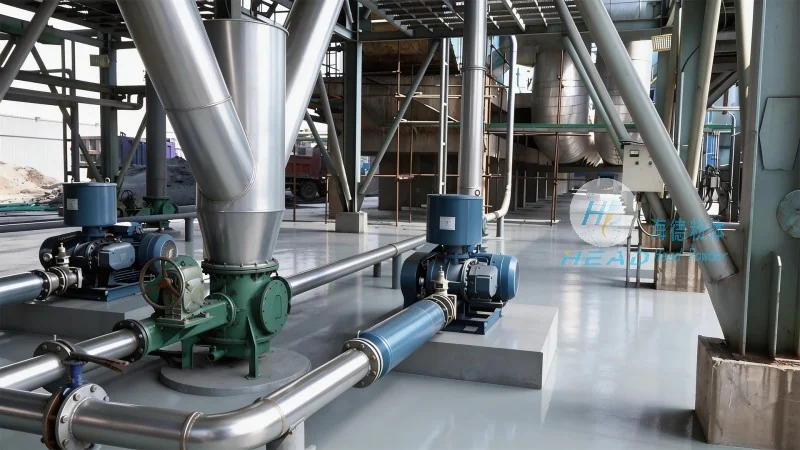
Working Principle of Pharmaceutical Granule Pneumatic Conveying Systems
The fundamental working principle of a pharmaceutical granule pneumatic conveying system involves the interaction between solid particles and a fluid medium, typically air. The process begins with the material being introduced into a hopper or feeder, where it is then fed into the conveying line. A fan or blower generates the necessary pressure to propel the particles through the pipeline. The system operates in either positive pressure mode, where air is forced through the line, or negative pressure mode, where air is drawn out, depending on the material characteristics and system design. The velocity of the air and the size of the particles are critical factors that determine the conveying efficiency and system performance. The conveying line is typically made of stainless steel or other corrosion-resistant materials to ensure hygiene and durability. At the receiving end, a filter or separator captures the particles from the air stream, preventing dust and particulate matter from escaping into the environment. The receiver is designed to collect the material and maintain a controlled environment, ensuring that the product remains clean and free from contamination. The entire system is equipped with sensors and control mechanisms to monitor pressure, flow rate, and other parameters, allowing for real-time adjustments and optimal operation.

Key Features of Pharmaceutical Granule Pneumatic Conveying Systems
Pharmaceutical granule pneumatic conveying systems are distinguished by several key features that address the stringent requirements of the pharmaceutical industry. First, the closed system design eliminates the risk of cross-contamination, which is essential for maintaining product integrity and meeting regulatory standards. This is particularly important when handling sterile or sensitive materials, as any exposure to external contaminants can compromise the final product. Second, the systems offer high flexibility and adaptability, allowing for integration into existing production lines or modular expansion as production needs evolve. This flexibility enables manufacturers to scale their operations without significant disruptions or capital investments. Third, the technology provides precise control over material flow, enabling accurate dosing and consistent batch processing. This level of control is critical for ensuring uniform product quality and meeting strict dosage requirements. Fourth, the systems are capable of handling a wide range of particle sizes and densities, making them suitable for various pharmaceutical applications, from fine powders to larger granules. Additionally, the use of stainless steel and other hygienic materials in the construction ensures long-term durability and ease of cleaning, which is essential for meeting cGMP regulations. The systems are also equipped with advanced cleaning-in-place (CIP) and sterilization-in-place (SIP) capabilities, allowing for thorough sanitation without disassembly. Finally, the integration of real-time monitoring and control systems enables operators to track performance, identify potential issues, and optimize system efficiency, reducing downtime and improving overall productivity.
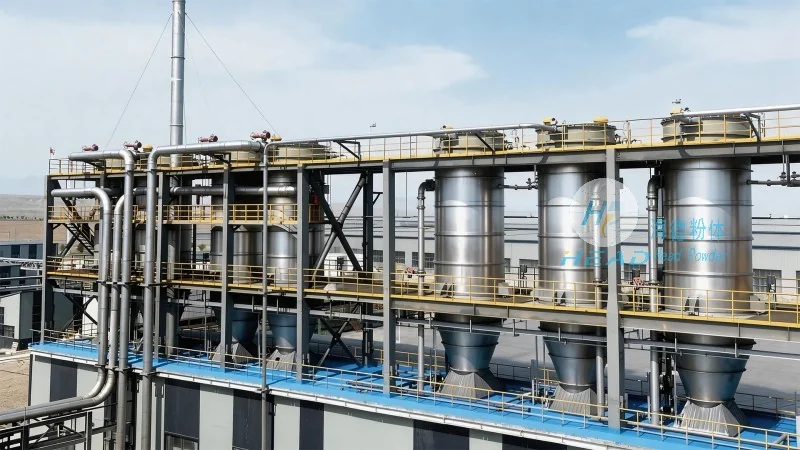
Company Overview: Shandong HeadPowder Engineering Co., Ltd.
Shandong HeadPowder Engineering Co., Ltd., commonly known as headpowder, is a prominent manufacturer specializing in the design, development, and production of advanced pneumatic conveying systems tailored for the pharmaceutical sector. HeadPowder has built a strong reputation in the industry by delivering high-quality, reliable, and customized solutions that meet the unique demands of pharmaceutical manufacturers. The company's headquarters and primary manufacturing facilities are located in Shandong, China, where they leverage local expertise and resources to maintain competitive advantages in terms of cost and efficiency. HeadPowder's team of experienced engineers and technicians works closely with clients to understand their specific requirements, ensuring that the final product is tailored to their production processes and regulatory needs. The company adheres to international quality standards and is committed to continuous innovation, investing in research and development to incorporate the latest technological advancements into their systems. This commitment ensures that their products remain at the forefront of the industry, providing customers with solutions that are not only efficient but also compliant with evolving regulatory requirements. HeadPowder's focus on customer satisfaction and long-term partnerships has earned them a loyal client base and a strong position in the global pharmaceutical equipment market.