

Working Principle and Features of Powdered Milk Pneumatic Conveying Equipment
Pneumatic conveying systems are essential in the dairy industry, particularly for handling powdered milk. These systems efficiently transport bulk materials like powdered milk from one location to another, ensuring minimal product degradation and maintaining product quality. The technology behind these systems is designed to meet the stringent requirements of the dairy sector, where product purity and consistency are paramount.

Working Principle of Pneumatic Conveying for Powdered Milk
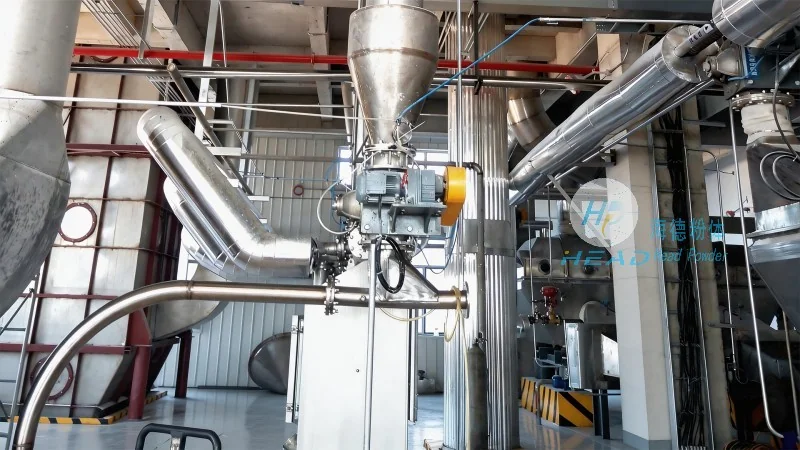
The core of a pneumatic conveying system for powdered milk involves the use of air to move the material. The process typically starts with the material being fed into a hopper or feeder. From there, the material is drawn into a pipeline by a vacuum or pressure source. The air, often filtered and controlled, carries the powder through the system, ensuring a smooth and continuous flow. The system may use either positive pressure (blowing air into the material) or negative pressure (sucking material through the air), depending on the specific application and system design. The key components include the feeder, the conveying line, the air source (blower or vacuum pump), and the discharge point. The air flow rate and pressure are carefully regulated to maintain optimal conveying efficiency without causing product degradation or blockages.
Key Features of Powdered Milk Pneumatic Conveying Equipment
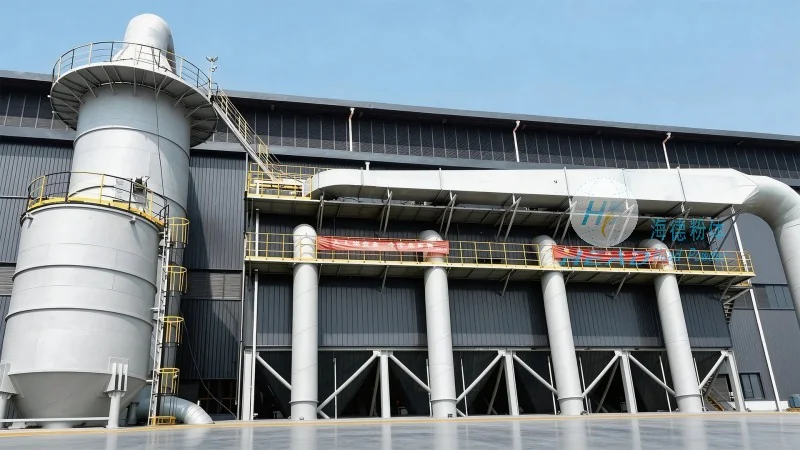
Several distinct features make pneumatic conveying equipment suitable for powdered milk applications. Firstly, the system is designed to minimize product contamination and degradation. The enclosed pipeline and controlled air flow prevent exposure to external elements, preserving the nutritional and sensory qualities of the powdered milk. Secondly, the equipment offers high flexibility in terms of layout and integration. It can be easily adapted to existing production lines or new facilities, allowing for modular installation and expansion. Thirdly, the system provides efficient and reliable material handling, reducing downtime and labor costs. The automated operation ensures consistent performance, which is crucial for maintaining production schedules and meeting quality standards. Additionally, the equipment is designed for easy maintenance, with accessible components that simplify routine checks and repairs. This reduces maintenance downtime and extends the operational life of the system. The use of high-quality materials, such as stainless steel, ensures durability and compliance with food safety regulations, which is essential for dairy products.
Company Overview: Shandong HeadPowder Engineering Co., Ltd.
Shandong HeadPowder Engineering Co., Ltd., commonly known as HeadPowder, is a leading manufacturer specializing in pneumatic conveying solutions for the dairy industry. With a focus on innovation and quality, the company has developed advanced systems tailored to the unique needs of powdered milk processing. HeadPowder's expertise lies in designing and manufacturing equipment that meets the highest standards of efficiency, reliability, and safety. The company's products are engineered to handle the challenges of transporting powdered milk, including preventing agglomeration, maintaining product integrity, and ensuring compliance with industry regulations. By leveraging years of experience and technological advancements, HeadPowder provides customized solutions that enhance the productivity and profitability of dairy operations.
Conclusion
Pneumatic conveying equipment is a critical component in the efficient and safe handling of powdered milk. The working principle, which relies on air to transport the material, combined with the key features such as contamination prevention, flexibility, and durability, makes it an ideal choice for dairy processing facilities. Companies like Shandong HeadPowder Engineering Co., Ltd. play a vital role in providing advanced solutions that meet the evolving demands of the dairy industry. By investing in high-quality pneumatic conveying systems, dairy manufacturers can ensure consistent product quality, improve operational efficiency, and maintain compliance with industry standards.