

Types of Waste Handling Methods: An Introduction to HeadPowder's Pneumatic Waste Conveying System
Waste management is a critical aspect of modern urban and industrial operations, and the efficiency of waste handling systems directly impacts operational costs and environmental sustainability. Among the various methods used to transport waste materials, pneumatic conveying has emerged as a preferred solution due to its effectiveness and adaptability. This article explores the different types of waste handling methods, with a focus on the advanced pneumatic waste conveying systems offered by Shandong HeadPowder Engineering Co., Ltd., a leading company in the field.
Understanding Pneumatic Waste Conveying Systems
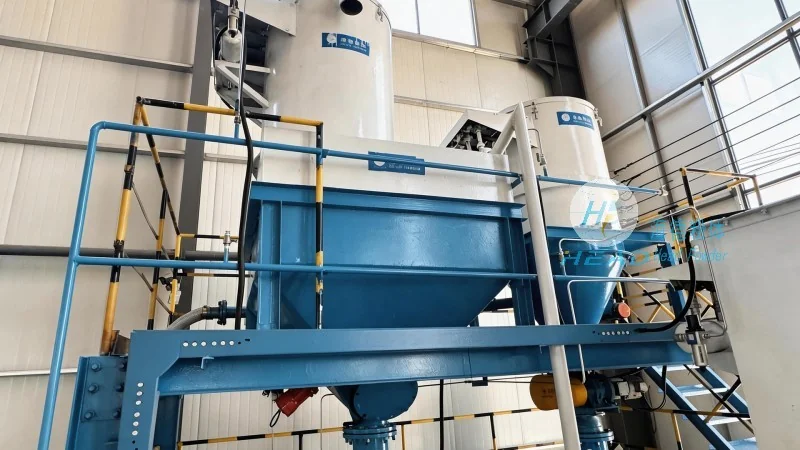
Pneumatic waste conveying systems represent a sophisticated approach to transporting solid waste materials efficiently and safely. Unlike traditional methods that rely on mechanical components like belts or buckets, pneumatic systems utilize compressed air to move waste through a network of pipes. This method offers several advantages, including reduced labor costs, minimized equipment wear, and the ability to handle a wide variety of waste types without the need for manual handling. The core components of a pneumatic system include an air compressor, a hopper for waste storage, a conveyor line, and a receiver for the processed waste. The system operates by drawing waste into the hopper and then using compressed air to push it through the pipes to the receiver, where it is collected for further processing.
Key Features of HeadPowder's Pneumatic Waste Conveying Solutions
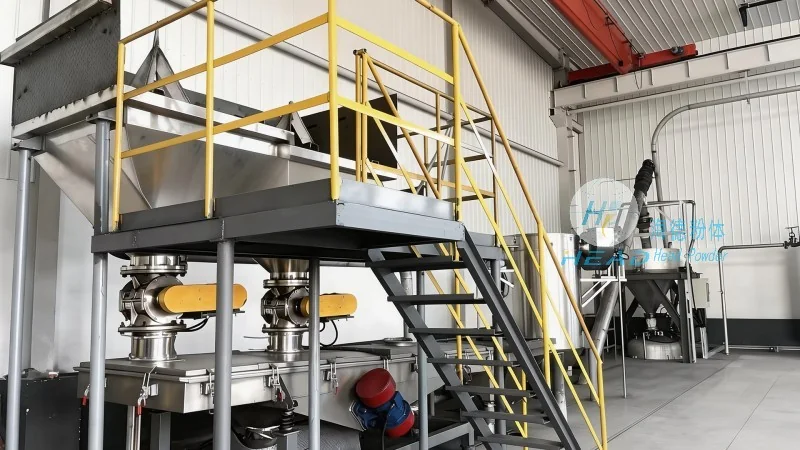
HeadPowder Engineering Co., Ltd., a leading manufacturer based in Shandong, China, specializes in developing advanced pneumatic waste conveying systems tailored to the needs of modern waste management facilities. Their solutions are designed to enhance operational efficiency while ensuring compliance with environmental regulations. The company's systems are built with high-quality materials, such as stainless steel and corrosion-resistant alloys, to withstand the harsh conditions of waste processing environments. Additionally, HeadPowder's technology incorporates energy-efficient air compressors and intelligent control systems that optimize air usage and reduce operational costs. The systems are also equipped with safety features, including pressure relief valves and emergency shut-off mechanisms, to prevent accidents and ensure the well-being of operators.
Applications in Waste Management
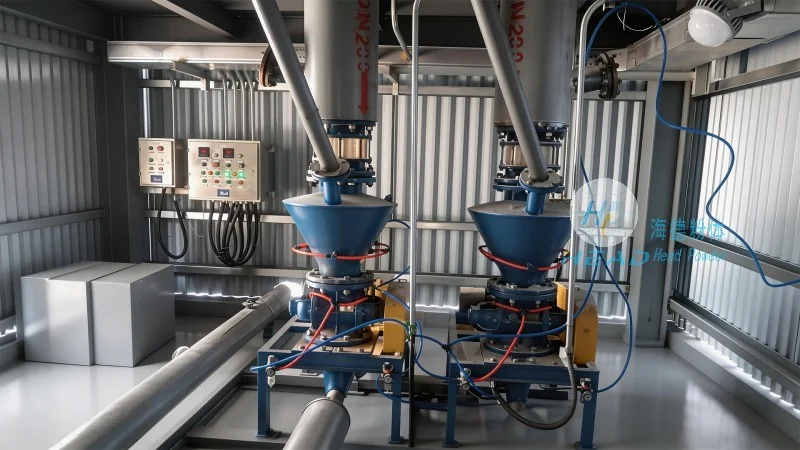
The pneumatic waste conveying systems from HeadPowder are widely used in various waste management applications. In municipal solid waste (MSW) facilities, these systems can transport mixed waste from collection trucks to sorting lines, facilitating the separation of recyclables and non-recyclables. In industrial settings, they are employed to handle hazardous or bulky waste materials, such as construction debris or electronic waste, ensuring safe and controlled movement within the facility. The versatility of the system allows it to adapt to different waste types and processing requirements, making it a reliable choice for both large-scale and small-scale waste management operations. For example, in a recycling plant, the system can transport crushed plastic or paper from the shredding unit to the washing and sorting stages, streamlining the entire recycling process.
Advantages Over Traditional Waste Handling Methods
Compared to conventional waste handling methods, HeadPowder's pneumatic waste conveying systems offer significant benefits. Traditional methods often involve manual labor, which can be costly and unsafe, especially when dealing with heavy or contaminated waste. Pneumatic systems eliminate the need for manual handling, reducing the risk of workplace injuries and improving overall safety. Furthermore, the enclosed pipe system prevents dust and odors from escaping into the environment, contributing to better air quality and reduced odor complaints from nearby communities. The systems also minimize the space required for waste storage and processing, as waste can be transported directly from collection points to processing areas without the need for large storage bins. This space efficiency is particularly valuable in urban areas where land is limited.
Customization and Integration Capabilities
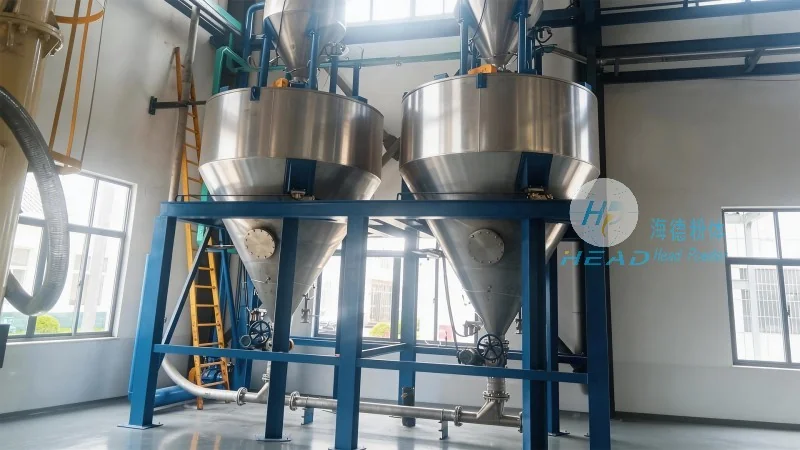
HeadPowder understands that each waste management facility has unique requirements. Therefore, their pneumatic waste conveying systems are highly customizable to meet specific operational needs. The company works closely with clients to design systems that integrate seamlessly with existing infrastructure, such as sorting lines, compactors, or incineration plants. This integration ensures smooth workflow and maximizes the efficiency of the entire waste management process. Additionally, HeadPowder offers after-sales support and maintenance services to ensure the long-term reliability and performance of their systems, providing clients with peace of mind and continued operational efficiency. The company's technical team provides on-site consultations and system optimization services to help clients achieve the best possible performance from their waste handling equipment.