For industrial applications, the efficient and safe handling of lysine powder is crucial. As a key amino acid used in animal feed and food production, lysine powder requires specialized equipment to ensure proper processing. This article explores the working principles and distinctive features of lysine powder handling and conveying systems, highlighting the expertise of Shandong HeadPowder Engineering Co., Ltd., a leading provider in the field.
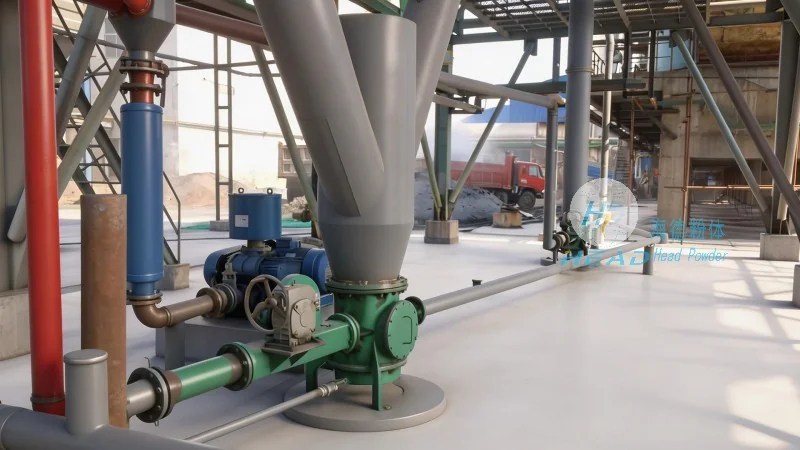
Lysine powder handling involves the movement of fine, often hygroscopic particles from storage to processing units. The primary goal is to maintain product integrity while minimizing dust generation and ensuring consistent flow rates. Shandong HeadPowder Engineering Co., Ltd. specializes in designing and manufacturing systems tailored to the unique properties of lysine powder, which includes its tendency to clump and its sensitivity to moisture.
The core of lysine powder conveying systems revolves around the transfer of material through various mechanisms. Common methods include pneumatic conveying (air-assisted transport), mechanical conveying (e.g., screw conveyors, belt conveyors), and vacuum systems. Each method operates based on different physical principles to achieve effective material movement.
Pneumatic conveying, for instance, uses compressed air to create a flow that carries the powder particles through a pipeline. This method is particularly effective for handling fine powders like lysine, as it minimizes product degradation and reduces the risk of contamination. The system typically consists of a hopper, a feeder, a conveying line, and a receiver. The feeder controls the flow rate, while the air flow ensures the powder is transported smoothly without clogging.
Mechanical conveying systems, such as screw conveyors, rely on rotating screws to push the powder along a trough. This method is suitable for bulk handling and can handle larger particle sizes or more abrasive materials. However, it may generate more dust and require regular maintenance to prevent wear on the screw and trough. For lysine powder, which is relatively fine and non-abrasive, pneumatic systems are often preferred due to their gentler handling.
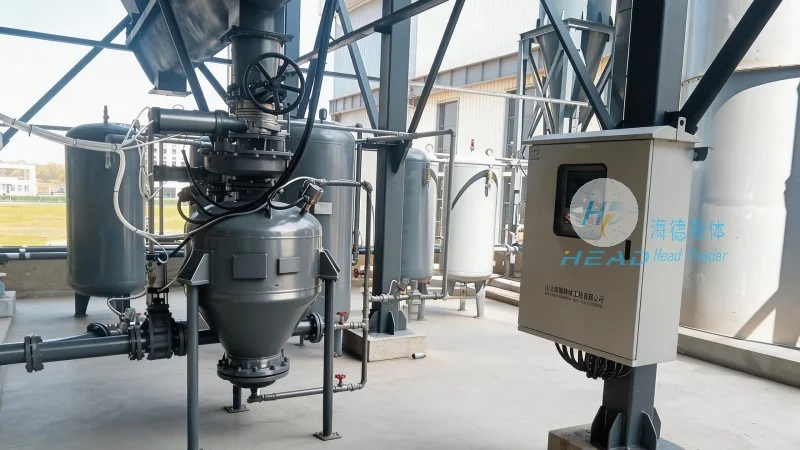
When evaluating lysine powder handling systems, several key features are critical for optimal performance. These include dust control measures, material flow consistency, and system durability. Shandong HeadPowder Engineering Co., Ltd. integrates advanced technologies to address these aspects, ensuring that their equipment meets the highest standards in the industry.
Dust control is a major concern in lysine powder handling due to the fine particle size and potential for inhalation hazards. Effective dust suppression systems, such as enclosed hoppers, sealed conveyors, and filtration units, are essential to maintain a safe working environment. The company’s designs incorporate these features to comply with occupational health and safety regulations.
Material flow consistency is another critical feature, as lysine powder can be prone to bridging or caking in storage silos. To prevent these issues, HeadPowder Engineering Co., Ltd. employs advanced level sensors and flow control devices that monitor and adjust the powder flow in real-time. This ensures a steady supply of material to downstream processes, reducing downtime and improving overall efficiency.
System durability is also a key consideration, as lysine powder can be abrasive over time, especially in high-volume applications. The company uses high-quality materials, such as stainless steel and wear-resistant coatings, to construct their equipment. This not only extends the lifespan of the system but also maintains the purity of the lysine powder by preventing contamination from metal particles.
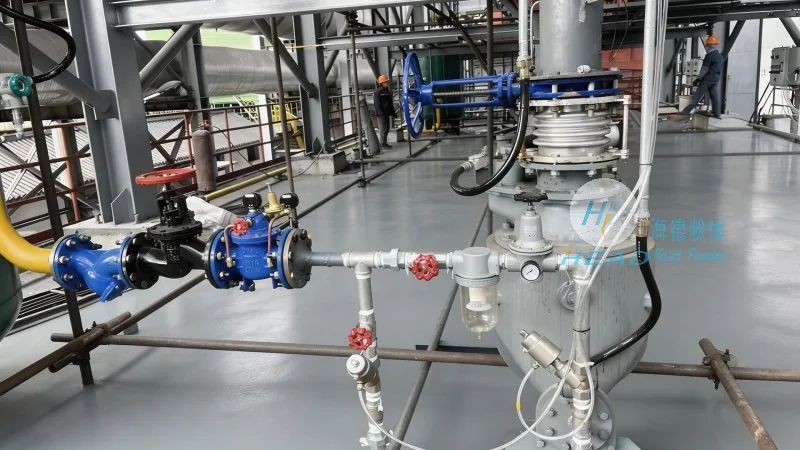
Implementing specialized lysine powder handling systems offers several advantages for manufacturers. Firstly, it enhances operational efficiency by ensuring consistent material flow and reducing downtime caused by equipment failure or material blockages. Secondly, it improves product quality by minimizing dust and maintaining the integrity of the powder, which is vital for downstream applications like feed formulation.
Thirdly, professional handling solutions contribute to a safer working environment by controlling dust and preventing accidents. This is particularly important in industries where lysine powder is processed in large quantities, as inhalation of fine particles can lead to respiratory issues. Shandong HeadPowder Engineering Co., Ltd. prioritizes safety in all their designs, incorporating features that comply with international safety standards.
Lastly, the use of advanced handling systems can lead to cost savings in the long run. By reducing material waste, minimizing maintenance costs, and improving overall process efficiency, manufacturers can achieve better economic returns. The company’s expertise in customizing systems to specific production needs ensures that clients receive solutions that are both effective and cost-efficient.
In conclusion, the working principles and features of lysine powder handling and conveying systems are critical for ensuring efficient and safe processing. Shandong HeadPowder Engineering Co., Ltd. provides comprehensive solutions that address the unique challenges of lysine powder, including dust control, flow consistency, and system durability. By leveraging advanced technologies and professional expertise, the company helps manufacturers optimize their operations and maintain high product quality. For businesses in the lysine industry, investing in specialized handling systems is essential for staying competitive and meeting industry standards.

 Shandong Headpowder Engineering Co., Ltd.
 156-6277-7102(Manager Zhang)
  0531-83386006
  Jinan City, Shandong Province, China
telephone
WeChatconsult
top