

Glass Waste Transportation Methods: An Introduction to HeadPowder's Glass Slag Pneumatic Conveying System
When it comes to transporting glass waste, selecting the right method is crucial for efficiency and safety in industrial operations. Glass slag, a byproduct of glass manufacturing processes, requires specialized handling due to its abrasive nature and potential health hazards. Traditional methods like manual handling or mechanical conveyors often fall short in meeting the demands of modern glass production facilities. This article explores various glass waste transportation methods and highlights the advanced solutions offered by Shandong HeadPowder Engineering Co., Ltd., commonly known as HeadPowder, based in Shandong, China.

Common Glass Waste Transportation Challenges and Traditional Solutions
Before delving into modern alternatives, it's essential to understand the challenges associated with transporting glass slag. Glass waste is typically fine, dusty, and can cause wear on equipment if not handled properly. Traditional methods include bucket elevators, belt conveyors, and screw conveyors. While these systems have been used for decades, they often struggle with material buildup, maintenance issues, and the risk of dust explosions. Additionally, manual handling poses significant safety risks due to the inhalation of glass particles and the physical strain on workers. These limitations have driven the development of more efficient and safer transportation solutions.
Introducing HeadPowder's Pneumatic Conveying System for Glass Slag
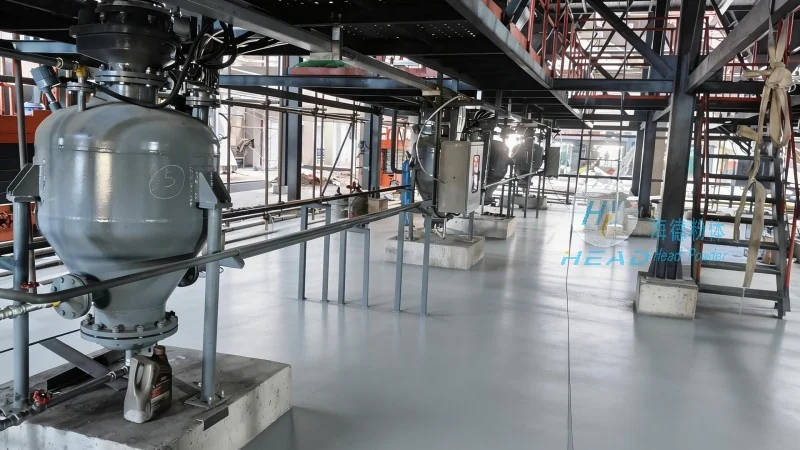
HeadPowder specializes in providing customized pneumatic conveying systems tailored to the unique needs of glass manufacturing facilities. The company's glass slag pneumatic conveying system is designed to address the challenges of transporting abrasive and fine glass waste efficiently and safely. This system utilizes compressed air to move glass slag through a network of pipes, eliminating the need for mechanical components that can wear out quickly. The pneumatic system offers several advantages over traditional methods, including reduced maintenance costs, lower energy consumption, and improved safety by containing dust within the system.
Key Features of HeadPowder's Glass Slag Pneumatic Conveying System
The HeadPowder glass slag pneumatic conveying system incorporates several key features that enhance its performance and reliability. The system includes high-quality materials resistant to corrosion and abrasion, ensuring long-term durability. It features adjustable air pressure and flow rates to accommodate varying volumes of glass waste, providing flexibility in operation. The system also includes dust collection and filtration components to maintain air quality and comply with environmental regulations. Additionally, the design allows for easy integration with existing glass production lines, minimizing downtime during installation and operation.
Benefits of Choosing HeadPowder's Glass Waste Transportation Solutions
By selecting HeadPowder's glass slag pneumatic conveying system, glass manufacturing facilities can achieve significant improvements in operational efficiency and safety. The system reduces labor costs by automating the transportation process, minimizing the need for manual handling. It also lowers maintenance expenses by eliminating moving parts that require frequent replacement. Furthermore, the enclosed system prevents dust from escaping into the workplace, reducing health risks for employees and improving overall air quality. The system's energy efficiency contributes to lower operational costs, making it a cost-effective solution for long-term use.
Customization and Application in Glass Manufacturing
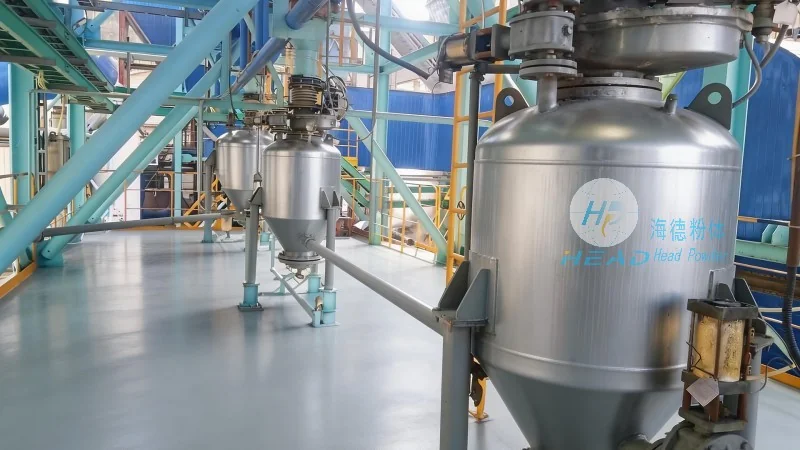
HeadPowder understands that each glass manufacturing facility has unique requirements. The company offers customized solutions to fit specific production volumes, material characteristics, and space constraints. Whether it's a small-scale glass plant or a large industrial facility, HeadPowder can design a pneumatic conveying system that meets the exact needs of the client. The system is suitable for various applications, including transporting glass slag from furnaces to storage silos, from storage to processing equipment, and for material transfer between different production stages. The flexibility of the system allows it to be adapted to different glass types and production processes, ensuring optimal performance in diverse industrial settings.
Conclusion and Contact Information
Transporting glass waste efficiently and safely is essential for the smooth operation of glass manufacturing facilities. HeadPowder's glass slag pneumatic conveying system provides a reliable and advanced solution to address the challenges of traditional transportation methods. With its focus on durability, efficiency, and safety, the system offers significant benefits to glass manufacturers. For more information about HeadPowder's glass waste transportation solutions, please contact the company at its headquarters in Shandong, China.