

Working Principle and Features of Automatic Weighing Material Conveying Systems
Shandong HeadPowder Engineering Co., Ltd., commonly known as HeadPowder, is a professional manufacturer based in Shandong, China, specializing in the design, development, and production of advanced material handling solutions. The company focuses on providing high-quality automatic weighing and conveying systems tailored to meet the diverse needs of industrial sectors such as food processing, pharmaceuticals, chemicals, and more.
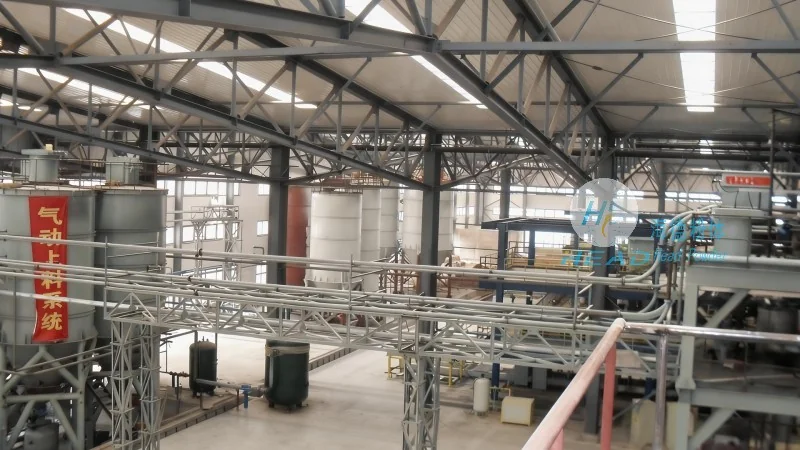
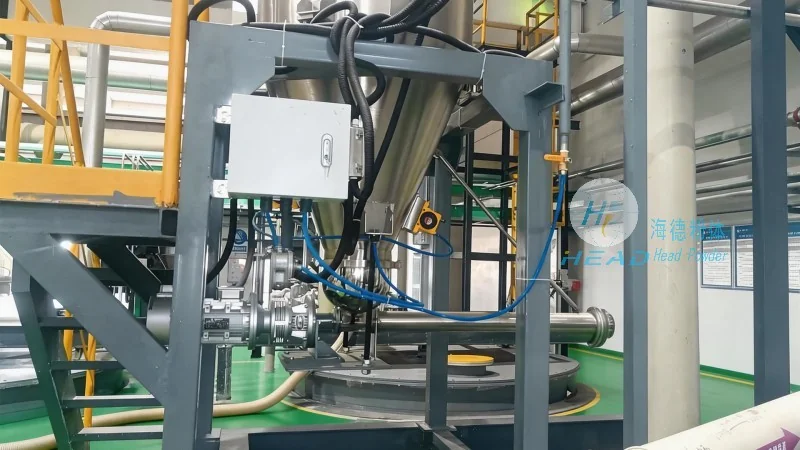
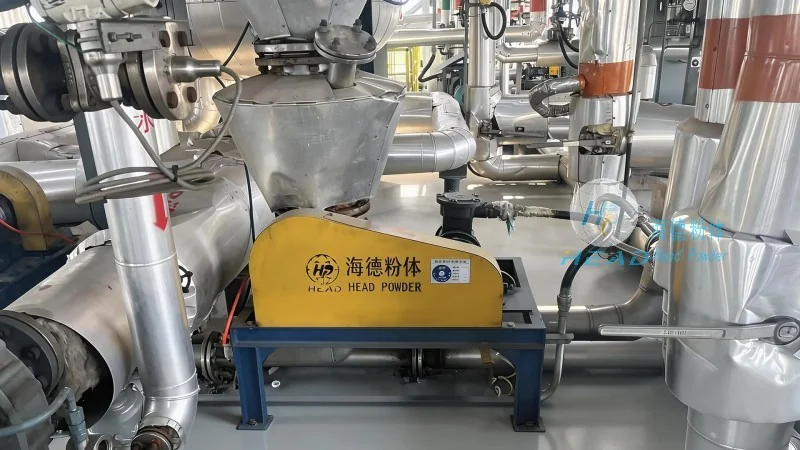
Working Principle of Automatic Weighing Material Conveying Systems
At the core of an automatic weighing material conveying system is a sophisticated integration of components that work in tandem to ensure accurate material handling and weighing. The process typically begins with the material being fed into the system, either from a hopper or a storage container. A conveyor belt or a series of rollers transports the material to the weighing station. The weighing station, equipped with high-precision load cells, measures the weight of the material in real-time. These load cells convert the force exerted by the material into an electrical signal, which is then processed by a digital weighing controller. The controller compares the measured weight against the set target weight. If the actual weight is below the target, the system increases the material flow rate by adjusting the conveyor speed or the feeding mechanism. Conversely, if the weight exceeds the target, the system reduces the flow rate. This closed-loop control ensures that the material is dispensed at the exact weight required. The weighed material is then transferred to the next stage of the production line, such as packaging or further processing. The entire process is automated, minimizing human intervention and reducing the risk of errors associated with manual weighing and handling. The system may also include features like material level sensors to prevent overfilling and ensure smooth operation.
Key Features of Automatic Weighing Material Conveying Systems
Automatic weighing material conveying systems offer several advantages that make them indispensable in modern industrial applications. First, they provide high accuracy and repeatability in weight measurement. The use of advanced load cells and digital weighing sensors ensures that the system can measure weights with a high degree of precision, often within a tolerance of ±0.1% or better. This level of accuracy is crucial in industries where product consistency is paramount, such as pharmaceuticals and food processing. Second, these systems enhance operational efficiency by automating the material handling and weighing process. By eliminating manual steps, the system reduces labor costs and increases throughput. The automation also minimizes downtime and improves overall productivity. Third, the systems are designed for flexibility and adaptability. They can be configured to handle different types of materials, including powders, granules, and bulk solids. The conveyor systems can be adjusted to accommodate various material sizes and flow rates, making them suitable for a wide range of applications. Fourth, the integration of weighing and conveying functions streamlines the production process. Instead of separate weighing and handling equipment, the system combines both functions into a single unit, saving space and reducing the complexity of the production line. This integration also improves safety by minimizing the need for manual handling of heavy or hazardous materials. Finally, the systems are equipped with advanced control and monitoring capabilities. The control unit can be programmed to set specific weight targets, adjust feeding rates, and monitor the system's performance in real-time. This allows operators to easily adjust the system parameters to optimize performance and ensure compliance with quality standards. Additionally, the system may include alarm functions to alert operators of any deviations from the set parameters, enhancing process control and quality assurance.