

Working Principle and Features of Lithium Oxalate Material Handling Systems
HeadPowder, a leading manufacturer based in Shandong, China, specializes in the design and production of advanced material handling systems tailored for lithium oxalate processing. This article delves into the working principle and key features of our lithium oxalate material handling systems, providing insights into how these systems efficiently manage the unique challenges associated with handling lithium oxalate.
Company Background and Expertise
Shandong HeadPowder Engineering Co., Ltd., commonly known as HeadPowder, is a professional enterprise dedicated to the research, development, and manufacturing of material handling equipment. With a strong focus on precision engineering and customer-centric solutions, HeadPowder has established itself as a trusted partner in the chemical processing industry. Our headquarters is located in Shandong, China, where our team of experienced engineers and technicians work tirelessly to deliver high-quality systems that meet the stringent requirements of modern lithium battery production lines.
Working Principle of Lithium Oxalate Material Handling Systems
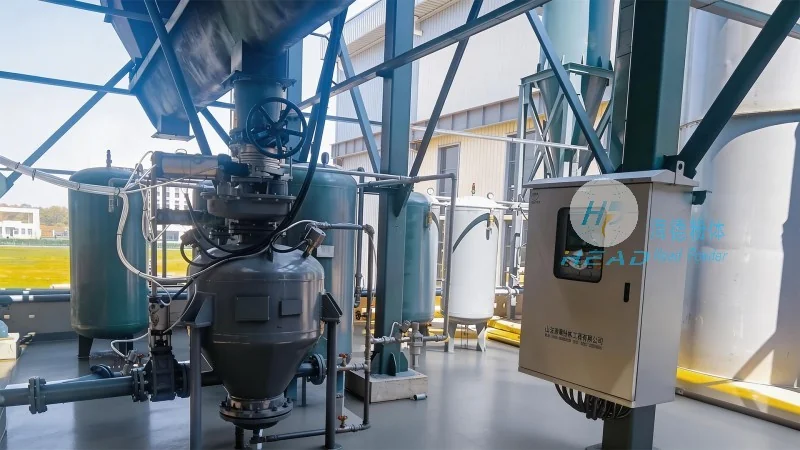
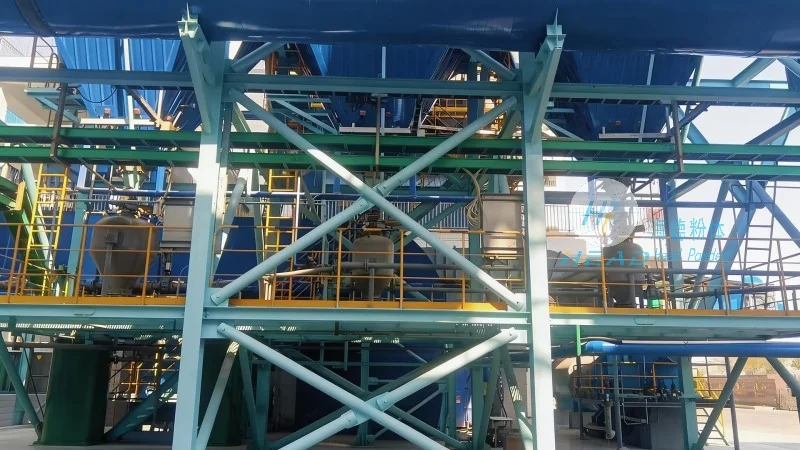
The core working principle of our lithium oxalate material handling systems revolves around the seamless integration of various components designed to handle the material's physical properties. Lithium oxalate, a critical precursor in lithium battery manufacturing, is known for its hygroscopic nature and tendency to agglomerate. To address these challenges, our systems employ advanced mechanisms such as sealed conveyor belts, anti-static measures, and specialized feeding devices. The process typically begins with the raw lithium oxalate being fed into the system via a hopper or silo. From there, the material is transported through a series of conveyor belts or screw conveyors, which are equipped with anti-adhesion coatings to prevent material buildup. For vertical transport, our systems utilize high-efficiency bucket elevators that maintain consistent flow rates while minimizing product degradation. The entire system is controlled by a centralized PLC (Programmable Logic Controller) that monitors parameters like temperature, humidity, and speed, ensuring optimal operation and product quality. This integrated approach ensures that lithium oxalate is handled with precision, from intake to discharge, without compromising its purity or integrity.
Key Features of Lithium Oxalate Material Handling Systems
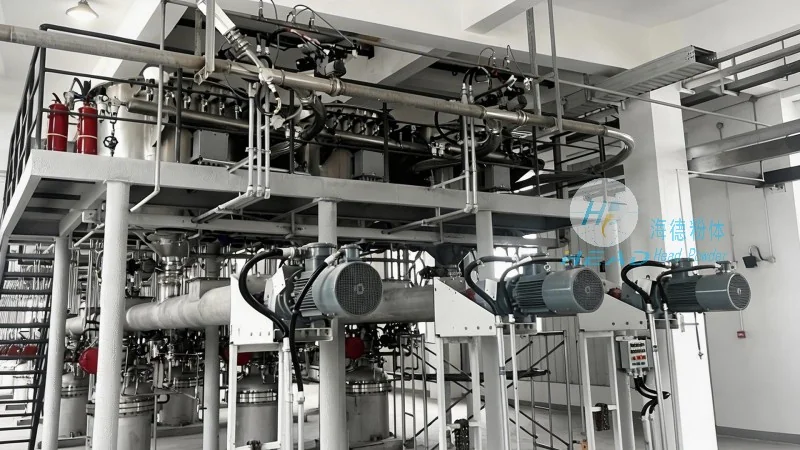
Our lithium oxalate material handling systems are engineered with several distinctive features that set them apart in the industry. Firstly, the systems are designed with a focus on minimal material loss and contamination. The use of sealed and enclosed conveyor sections prevents dust emissions and cross-contamination, which is crucial for maintaining the high purity standards required in lithium battery production. Secondly, the systems incorporate advanced automation and control technologies. The PLC-based control system allows for real-time monitoring and adjustment of operational parameters, ensuring consistent performance and reducing the need for manual intervention. This automation not only enhances efficiency but also improves safety by minimizing human exposure to the material. Thirdly, the systems are built for durability and reliability. High-quality materials, such as stainless steel and corrosion-resistant coatings, are used in the construction of conveyor components, ensuring long-term performance even in harsh environments. Additionally, the systems are designed for easy maintenance and cleaning, with accessible components that can be quickly serviced to minimize downtime. These features collectively contribute to a system that is not only efficient but also cost-effective and environmentally friendly.
Efficiency and Performance in Lithium Battery Production
The effectiveness of our lithium oxalate material handling systems is directly linked to their role in the broader lithium battery production process. By ensuring a steady and controlled supply of lithium oxalate to downstream processing units, these systems help maintain the production line's throughput and reduce bottlenecks. The consistent flow rates and low variability in material quality provided by our systems contribute to higher yields and lower defect rates in the final battery products. Furthermore, the energy-efficient design of our conveyors and elevators reduces operational costs, making the overall production process more economical. The integration of these systems with other processing equipment, such as mixing and coating machines, allows for a seamless workflow, enhancing overall plant productivity. In summary, our lithium oxalate material handling systems are a critical component in modern lithium battery manufacturing, delivering reliable performance and supporting the production of high-quality batteries.
Conclusion and Application Scope
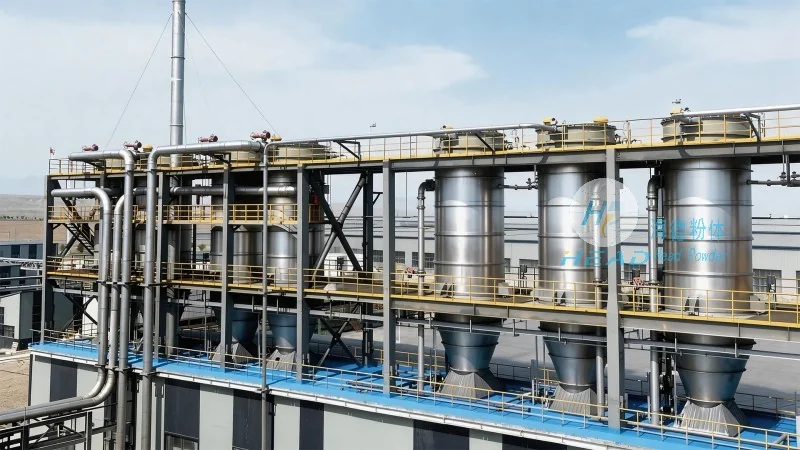
Shandong HeadPowder Engineering Co., Ltd. continues to innovate in the field of material handling systems, particularly for lithium oxalate applications. Our systems are designed to meet the evolving needs of the battery industry, offering solutions that are both efficient and sustainable. By leveraging advanced engineering and customer feedback, we ensure that our products remain at the forefront of technology. Whether for new battery production lines or upgrades to existing facilities, our lithium oxalate material handling systems provide a reliable and effective solution. With our headquarters in Shandong, China, we are well-positioned to serve clients globally, delivering high-quality equipment that meets international standards. HeadPowder remains committed to excellence, providing customers with the tools they need to succeed in the competitive battery market.