

Working Principles and Features of Mine Material Handling Equipment
Efficient material handling is a cornerstone of modern mining operations, and the equipment used to transport bulk materials within mines plays a critical role in enhancing productivity and safety. This article explores the working principles and key features of mine material handling equipment, providing insights into how these systems operate and the advantages they offer to mining enterprises.
Introduction to Mine Material Handling Equipment
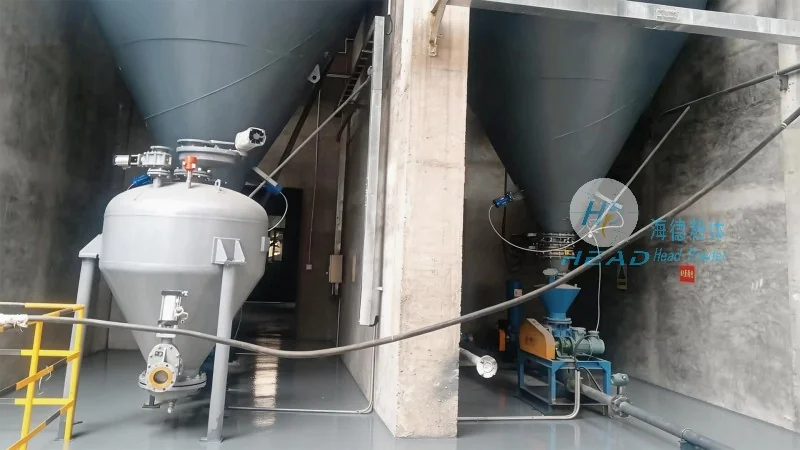
Mine material handling equipment encompasses a range of machinery designed to transport raw materials, waste, and other substances within mining sites. These systems are essential for optimizing the flow of materials from extraction points to processing facilities or disposal areas. The primary goal of such equipment is to improve operational efficiency, reduce labor costs, and enhance overall safety by automating the material transport process. Companies like Shandong HeadPowder Engineering Co., Ltd. specialize in the design, manufacturing, and installation of these critical systems, ensuring they meet the specific needs of mining operations.
Working Principles of Key Mine Material Handling Equipment
Various types of equipment are used in mining operations, each with its own unique working principle. One of the most common and versatile systems is the belt conveyor, which operates on the principle of friction. A continuous loop of conveyor belt, typically made of rubber or synthetic materials, moves materials by means of rollers and pulleys. The belt is driven by a motor, and the material is placed on the belt at the loading point, where it is carried to the discharge point. This system is widely used for transporting coal, ore, and other bulk materials over long distances within mines.
Another critical piece of equipment is the bucket elevator, or vertical conveyor. This system uses a series of buckets attached to a chain or belt that moves vertically. As the buckets ascend, they fill with material at the bottom and discharge it at the top. Bucket elevators are ideal for transporting materials vertically, such as lifting ore from underground levels to the surface or moving waste materials to disposal sites. The working principle relies on the continuous rotation of the bucket chain and the gravitational force that causes the material to fall into the buckets.
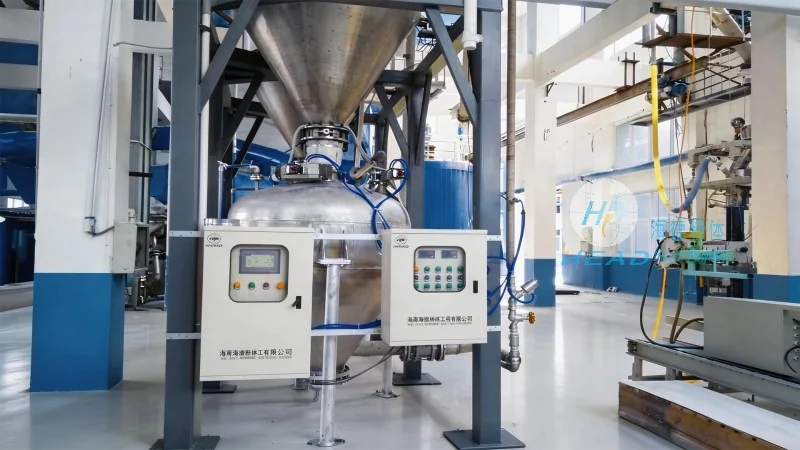
Additionally, mine material handling may involve the use of screw conveyors, which operate on the principle of mechanical rotation. A screw, or helical blade, rotates inside a tube, pushing material forward as it turns. Screw conveyors are commonly used for transporting granular or fine materials like sand, gravel, or ore fines. The rotation of the screw causes the material to move along the tube, making it suitable for horizontal or slight incline transport.
Key Features of Mine Material Handling Equipment
The features of mine material handling equipment are designed to address the specific challenges of mining environments, including harsh conditions, heavy loads, and the need for reliability. One of the most important features is durability, as equipment must withstand exposure to dust, moisture, and abrasive materials. High-quality materials, such as stainless steel or specialized alloys, are often used to construct components that come into direct contact with the transported materials, ensuring long service life.
Another critical feature is efficiency, which is directly related to the speed and capacity of the equipment. Modern mine material handling systems are designed to handle large volumes of material at high speeds, minimizing downtime and maximizing throughput. Variable speed drives and automated controls allow operators to adjust the conveyor speed based on the material load, optimizing energy consumption and reducing wear on components.
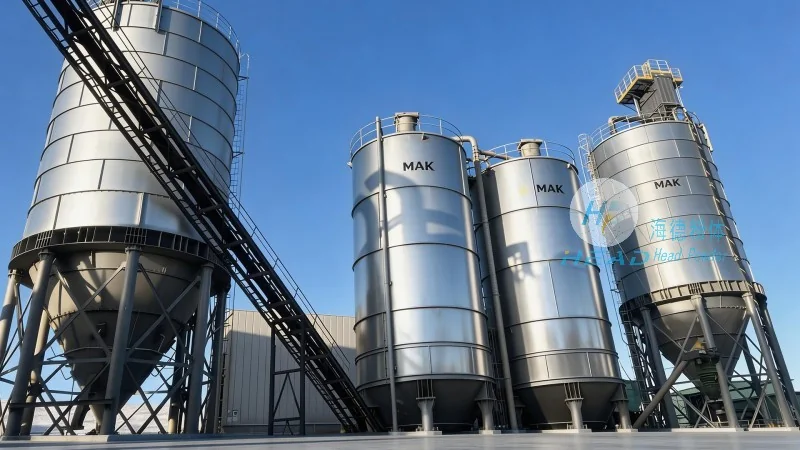
Reliability is also a key feature, as mining operations cannot afford frequent breakdowns. Equipment manufacturers incorporate robust design elements, including heavy-duty bearings, reinforced frames, and redundant systems, to ensure continuous operation. Regular maintenance and monitoring systems are often integrated into the equipment to detect potential issues before they lead to failures, enhancing overall reliability.
Furthermore, safety features are paramount in mine material handling equipment. Safety guards, emergency stop buttons, and overload protection systems are standard to prevent accidents and protect personnel. The design of the equipment, including the height and accessibility of components, is also considered to minimize the risk of injury during operation and maintenance.
Conclusion
Mine material handling equipment plays a vital role in the efficiency and safety of mining operations. By understanding the working principles and key features of these systems, mining companies can select and maintain equipment that best suits their needs. The continuous advancement of technology in this field ensures that modern mine material handling solutions are more efficient, reliable, and safe than ever before, contributing to the overall success of mining enterprises.