

Lithium-Ion Battery Anode Material Conveying Methods: An Introduction to HeadPowder's Pneumatic Conveying Solutions
When it comes to the efficient and reliable transportation of lithium-ion battery anode materials, the choice of conveying method plays a crucial role in the overall production process. As the demand for high-performance lithium-ion batteries continues to grow, manufacturers are increasingly seeking advanced solutions that ensure material integrity, minimize contamination, and enhance operational efficiency. In this context, pneumatic conveying has emerged as a preferred technology for handling anode powders, offering a range of benefits that address the unique challenges of battery production.
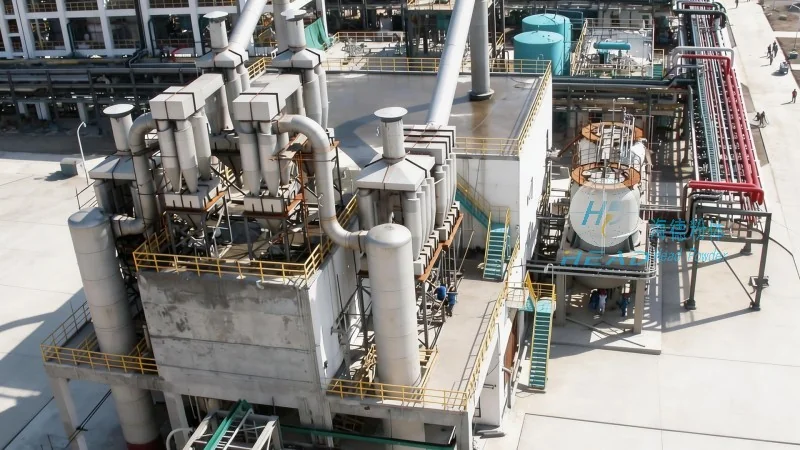
HeadPowder: A Leader in Pneumatic Conveying Solutions
At Shandong HeadPowder Engineering Co., Ltd., commonly known as HeadPowder, we specialize in providing innovative and tailored pneumatic conveying systems for the lithium-ion battery industry. With a focus on precision, reliability, and customer satisfaction, our company has established itself as a trusted partner for battery manufacturers seeking to optimize their material handling processes. HeadPowder's expertise lies in designing and manufacturing customized solutions that meet the specific requirements of anode material transportation, ensuring that every step of the process is executed with the highest standards of quality and safety.
Understanding Pneumatic Conveying for Lithium-Ion Battery Anodes
Pneumatic conveying, also known as air conveying, is a method of transporting bulk materials through a pipeline using compressed air. This technology is particularly well-suited for handling fine powders like lithium-ion battery anode materials, which are often sensitive to moisture, contamination, and mechanical stress. Unlike traditional methods such as belt conveyors or screw conveyors, pneumatic systems offer several advantages that make them ideal for anode material transport.
One of the key benefits of pneumatic conveying is its ability to maintain material integrity. By using a closed system with controlled air pressure and flow rates, the material is protected from external factors that could degrade its quality. This is critical for anode powders, as even minor contamination or agglomeration can significantly impact the performance and lifespan of the final battery. HeadPowder's pneumatic systems are designed with this in mind, incorporating features such as dust collection, filtration, and material conditioning to ensure that the anode material remains in its optimal state throughout the conveying process.
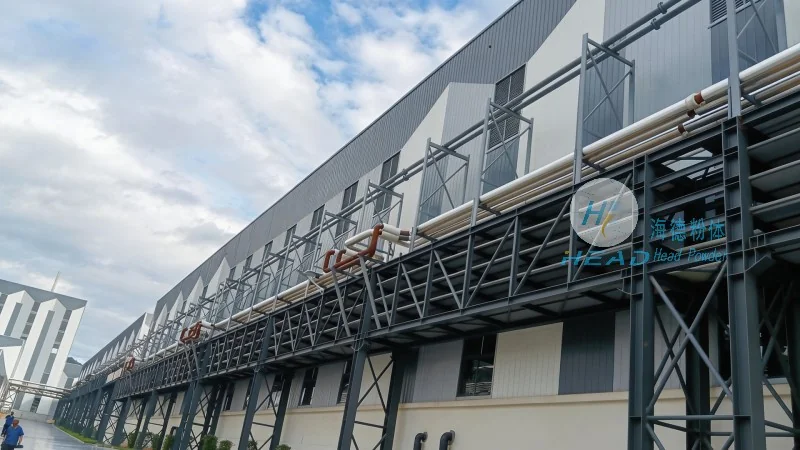
Key Features of HeadPowder's Pneumatic Conveying Solutions
HeadPowder's pneumatic conveying systems are engineered with a focus on efficiency, safety, and adaptability. Our solutions are designed to handle a wide range of anode materials, including graphite, silicon, and other advanced anode chemistries. The systems are equipped with advanced control panels that allow for real-time monitoring and adjustment of conveying parameters, ensuring consistent performance and minimizing downtime. Additionally, our equipment is built with durable materials and components that can withstand the harsh conditions of battery production, including high temperatures and abrasive materials.
Another important feature of our pneumatic conveying solutions is their flexibility. HeadPowder can design systems that integrate seamlessly with existing production lines, or create completely new setups tailored to specific facility layouts. This adaptability allows manufacturers to scale their operations as needed, whether expanding production capacity or integrating new anode material types. Our team of engineers works closely with clients to understand their unique requirements and develop customized solutions that maximize efficiency and minimize costs.
Application in Lithium-Ion Battery Production
The application of pneumatic conveying in lithium-ion battery production is widespread, covering various stages from raw material handling to final assembly. In the initial stages, anode powders are often stored in bulk containers and then transferred to processing equipment using pneumatic systems. This allows for a smooth and continuous flow of material, reducing bottlenecks and improving overall production throughput. During the mixing and coating processes, pneumatic conveying is used to deliver anode materials to the mixing tanks or coating machines, ensuring precise dosing and uniform distribution.
As the anode material moves through the production line, it may undergo further processing, such as sintering or graphitization. Pneumatic conveying systems are used to transport the processed anode material to the next stage of production, ensuring that the material is handled gently and without damage. This is particularly important for advanced anode materials, such as silicon-based anodes, which are more prone to degradation under mechanical stress. HeadPowder's systems are designed to minimize shear and impact, preserving the material's structure and properties.
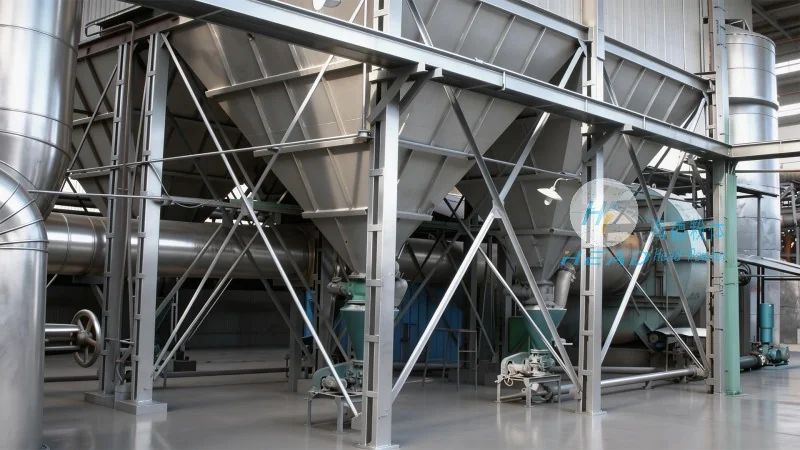
Advantages Over Traditional Conveying Methods
Compared to traditional conveying methods like belt conveyors or screw conveyors, pneumatic conveying offers several distinct advantages for lithium-ion battery anode material transport. One of the most significant benefits is the ability to handle fine powders without the risk of clogging or material degradation. Traditional methods often require additional equipment, such as hoppers or feeders, to prevent material buildup and ensure smooth operation. In contrast, pneumatic systems use air pressure to move the material through the pipeline, eliminating the need for these additional components and reducing maintenance requirements.
Another advantage is the improved safety and hygiene. Pneumatic conveying systems are enclosed, which helps to prevent dust emissions and maintain a clean working environment. This is particularly important in battery production, where dust can be a fire hazard and can affect the quality of the final product. HeadPowder's systems are equipped with advanced filtration and dust collection systems, ensuring that the air released from the system is clean and free of particulate matter. This not only enhances safety but also helps to meet regulatory requirements for air quality in industrial settings.
Conclusion
In conclusion, pneumatic conveying is a highly effective and reliable method for transporting lithium-ion battery anode materials. HeadPowder's expertise in designing and manufacturing customized pneumatic conveying systems has enabled us to provide solutions that meet the specific needs of battery manufacturers. By leveraging advanced technology and a customer-centric approach, we help our clients optimize their material handling processes, improve production efficiency, and ensure the quality and safety of their products. For those seeking to enhance their anode material transport capabilities, HeadPowder's pneumatic conveying solutions offer a proven and effective path forward.