

Common Bean Powder Conveying Methods: Advantages of HeadPowder Pneumatic Conveying Systems
Transporting bean powder efficiently and safely is a critical aspect of industrial processing, especially for applications involving soybean, chickpea, or other legume powders. The unique properties of these powders—fine particle size, hygroscopic behavior, and tendency to generate dust—require specialized conveying solutions to maintain product integrity and operational efficiency. Traditional methods such as belt conveyors or screw conveyors often face challenges like product degradation, increased maintenance, and difficulty in handling fine powders. This article examines the most prevalent bean powder conveying methods and focuses on the superior advantages of pneumatic conveying systems, as exemplified by the solutions from Shandong HeadPowder Engineering Co., Ltd.
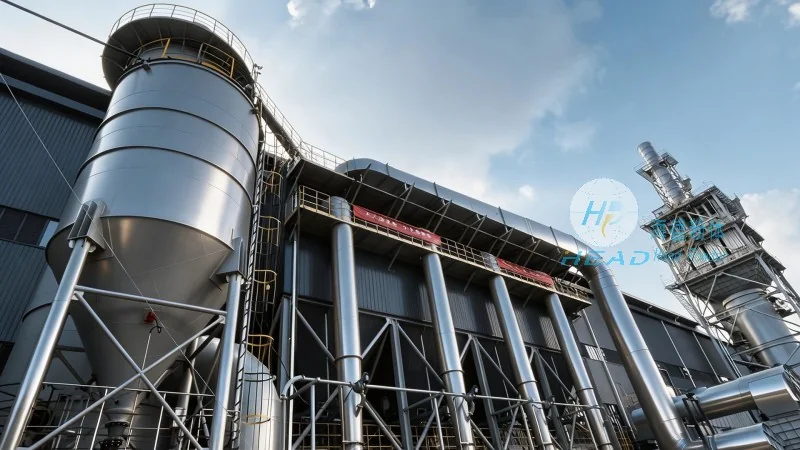
Common Bean Powder Conveying Methods: A Comparative Overview
Several methods are commonly used to transport bean powder in industrial settings, each with distinct advantages and limitations. The choice of method depends on factors such as material characteristics, required throughput, distance, and environmental considerations. Below is a breakdown of the primary conveying approaches:
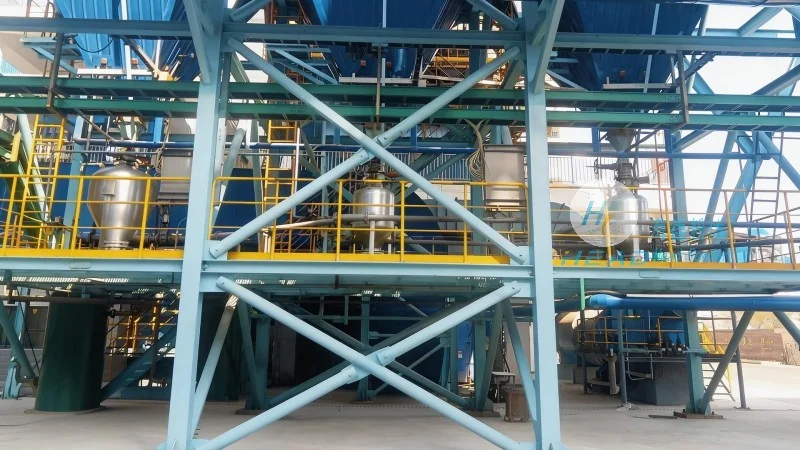
- Mechanical Conveying: This category includes belt conveyors, screw conveyors, and bucket elevators. Mechanical systems rely on physical contact with the material to move it. While effective for larger or bulkier materials, they are less suitable for fine bean powders due to issues like product degradation from friction, potential for contamination, and difficulty in handling hygroscopic powders. Belt conveyors, for example, may cause dust accumulation and require frequent cleaning, while screw conveyors can lead to blockages and increased wear.
- Gravity Conveying: Gravity-based systems, such as inclined chutes or slide gates, utilize the force of gravity to move materials from a higher to a lower elevation. These systems are simple, low-cost, and ideal for short distances with minimal elevation changes. However, they are highly dependent on the material's angle of repose and are unsuitable for fine powders that tend to settle or clog the chute. Gravity conveying is often limited to horizontal or slightly inclined paths and cannot handle long distances or complex layouts.
- Pneumatic Conveying: Pneumatic systems use air or gas to transport powders through a pipeline. This method is particularly well-suited for fine, dusty materials like bean powder. Pneumatic conveying can be categorized into two main types: positive pressure (blow-through) and negative pressure (suction). Positive pressure systems push the material through the pipeline using a blower, while negative pressure systems draw the material into the pipeline using a vacuum. Both types offer advantages such as enclosed transport, reduced dust generation, and the ability to handle long distances and complex routes.
Advantages of Pneumatic Conveying for Bean Powder
Among the various conveying methods, pneumatic systems stand out as the most effective for bean powder due to their ability to address the unique challenges of fine, hygroscopic powders. The key advantages of pneumatic conveying include:
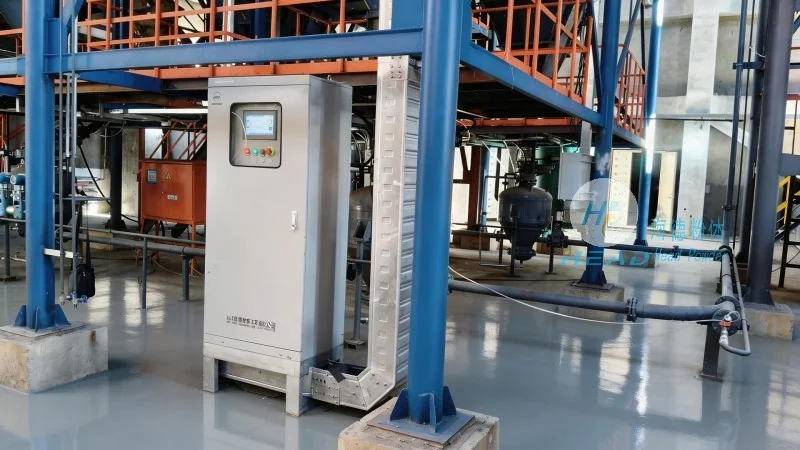
- Enclosed and Dust-Free Transport: Unlike mechanical or gravity systems, pneumatic conveying operates in a sealed pipeline. This eliminates the risk of dust contamination, which is critical for maintaining product quality and meeting regulatory standards. The enclosed environment also reduces the risk of cross-contamination between different batches of bean powder.
- High Efficiency and Throughput: Pneumatic systems can achieve high material throughput with minimal energy consumption. The velocity of the air or gas in the pipeline ensures that the bean powder is moved quickly and consistently, even over long distances. This efficiency is particularly valuable in high-volume processing facilities where downtime and material loss can be costly.
- Reduced Product Degradation: Since the material is not in direct contact with mechanical components, there is less risk of friction-induced degradation or mechanical damage. This is especially important for bean powders that may be sensitive to heat or physical stress, as pneumatic conveying typically operates at lower temperatures and with gentler handling.
- Flexibility in Layout: Pneumatic pipelines can be easily routed around obstacles, over or under structures, and through complex plant layouts. This flexibility allows for customized conveying solutions that adapt to the specific needs of a facility, including vertical and horizontal transport combinations.
- Low Maintenance and Long Lifespan: Pneumatic systems have fewer moving parts compared to mechanical conveyors, reducing the need for frequent maintenance and repairs. The absence of mechanical components like belts, screws, or buckets also minimizes wear and tear, leading to a longer operational lifespan and lower long-term costs.
HeadPowder Pneumatic Conveying Systems: Innovative Solutions for Bean Powder
Shandong HeadPowder Engineering Co., Ltd., a leading provider of pneumatic conveying solutions, offers advanced systems tailored to the specific demands of bean powder processing. The company's expertise lies in designing and manufacturing customized pneumatic systems that address the unique challenges of fine, hygroscopic powders. HeadPowder's solutions are built on a foundation of robust engineering, ensuring reliability, efficiency, and compliance with industry standards.
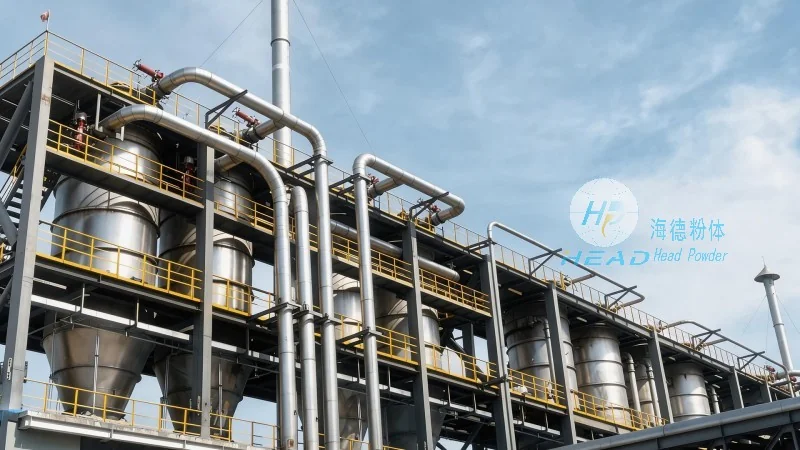
Key features of HeadPowder's pneumatic conveying systems include: