

Common Wheat Handling Methods: Advantages and Features of HeadPowder's Pneumatic Conveying System
Wheat, a staple grain worldwide, requires efficient and reliable handling and transportation from the field to processing facilities. The choice of conveying method significantly impacts operational efficiency, grain quality, and overall production costs. Common wheat handling methods include bucket elevators, belt conveyors, and pneumatic conveying systems. Each method has its own set of advantages and limitations, making the selection process critical for agricultural and food processing operations.
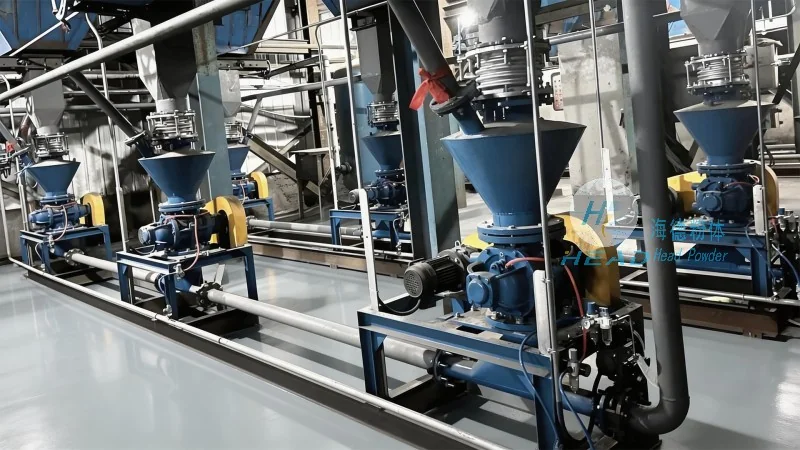
Overview of Common Wheat Conveying Methods
Bucket elevators are widely used for vertical and inclined transport of bulk materials, including wheat. They consist of a continuous belt with attached buckets that move grain vertically or at an angle. While effective for vertical lifting, bucket elevators can be noisy and may cause grain damage due to impact and friction. Belt conveyors, on the other hand, are ideal for horizontal or slight incline transport. They use a continuous belt to move grain over rollers, offering a gentle handling process that minimizes breakage. However, belt conveyors are less efficient for vertical transport and require more space compared to other options.
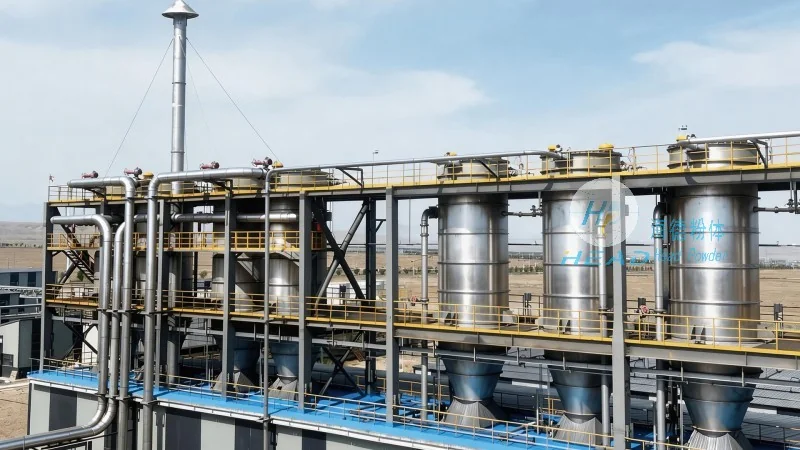
Pneumatic Conveying: The Advanced Solution for Wheat Handling
Among the various wheat conveying methods, pneumatic conveying stands out as a modern and efficient solution. Pneumatic systems use air pressure to transport grain through a pipeline, eliminating the need for mechanical components like buckets or belts. This method is particularly advantageous for handling delicate grains like wheat, as it reduces the risk of breakage and maintains grain quality. HeadPowder, a leading manufacturer of pneumatic conveying equipment, specializes in designing and supplying advanced wheat handling systems that leverage the benefits of pneumatic technology.
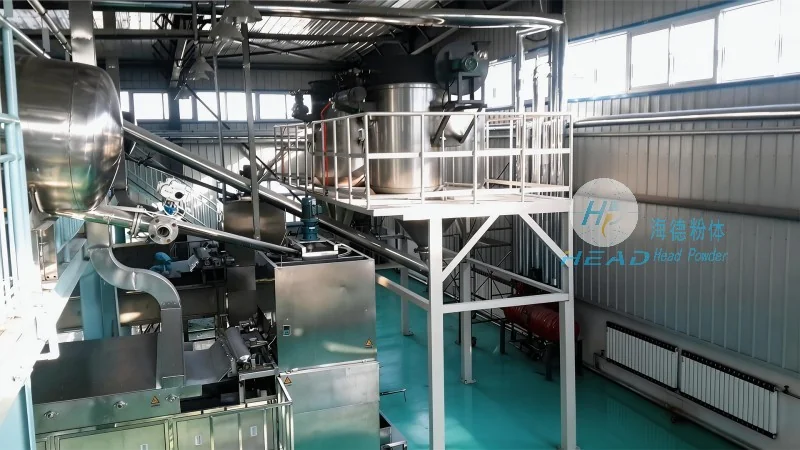
Key Advantages of HeadPowder's Pneumatic Conveying System
HeadPowder's pneumatic conveying system for wheat offers several key advantages that make it a preferred choice for modern agricultural and food processing operations. Firstly, the system provides gentle handling of wheat, minimizing grain breakage and preserving its nutritional and quality attributes. This is crucial for maintaining the market value of the grain, especially for high-quality wheat varieties used in baking and other food applications. Secondly, the pneumatic system offers high throughput and flexibility in transport routes. It can handle large volumes of wheat efficiently and adapt to different processing requirements, such as moving grain from storage silos to milling machines or packaging lines. Thirdly, the system is energy-efficient and low-maintenance. By using air pressure instead of mechanical components, the system reduces energy consumption and operational costs. Additionally, the design of HeadPowder's system includes features like dust suppression and air filtration, ensuring a clean and safe working environment.
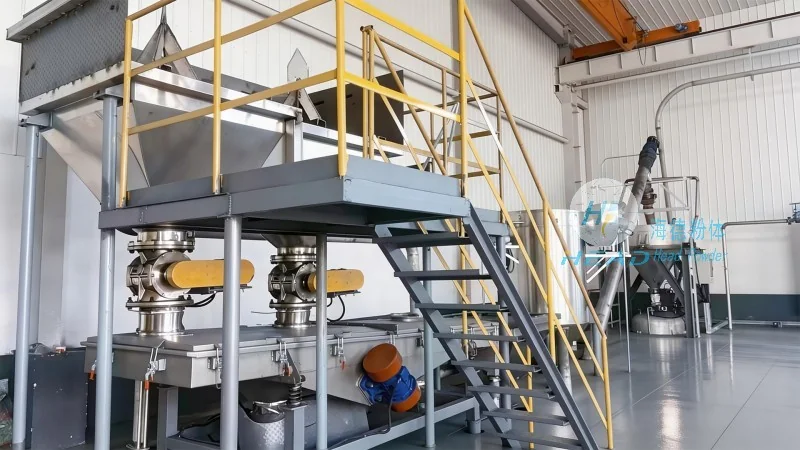
Customization and Integration with Existing Systems
HeadPowder understands that each wheat processing facility has unique requirements. Therefore, their pneumatic conveying systems are highly customizable to meet specific operational needs. The company works closely with clients to design systems that integrate seamlessly with existing infrastructure, such as storage silos, elevators, and processing equipment. This integration ensures smooth workflow and minimal disruption to current operations. For example, a client may need a system that connects multiple storage silos to a central milling facility, and HeadPowder can design a customized pipeline layout and control system to achieve this. The company also provides technical support and maintenance services to ensure the long-term performance and reliability of the conveying system.