

Common Magnesium Oxide Powder Conveying Methods: Advantages and Features of HeadPowder's Pneumatic Conveying System
When it comes to handling magnesium oxide powder, selecting the right conveying method is crucial for maintaining product quality, operational efficiency, and safety. Magnesium oxide (MgO), also known as magnesia, is widely used in various industries including construction, refractory materials, and chemical manufacturing. Its fine particle size and hygroscopic nature make traditional conveying methods challenging, often leading to issues like dust accumulation, material degradation, and equipment wear. This article explores the common magnesium oxide powder conveying methods and highlights the advantages of HeadPowder's pneumatic conveying system, a leading solution from Shandong HeadPowder Engineering Co., Ltd., based in China.
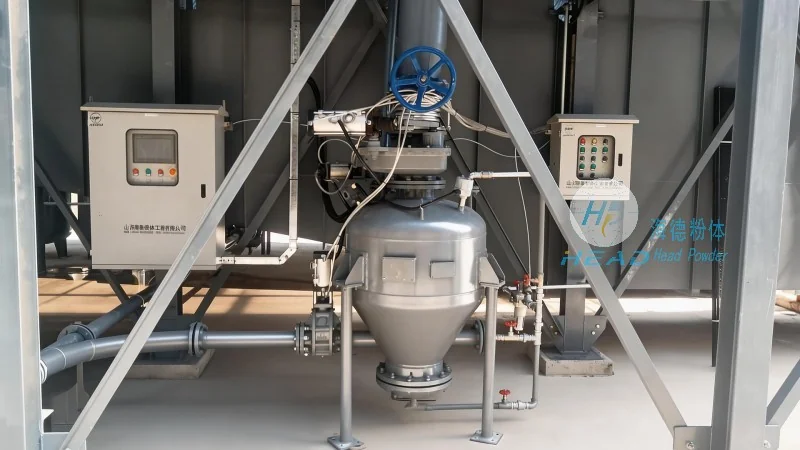
Traditional Conveying Methods for Magnesium Oxide Powder
Historically, several conventional methods have been employed for transporting magnesium oxide powder. These include gravity flow, belt conveyors, and screw conveyors. Gravity flow systems rely on the natural slope of the material to move it from one point to another, which is suitable for short distances and low volumes. However, they are limited by the angle of repose of the powder and may not be effective for vertical or long-distance transport. Belt conveyors use a continuous belt to transport the material, offering high capacity and flexibility. Yet, they require regular maintenance and can be prone to material buildup, especially with fine powders like magnesium oxide. Screw conveyors utilize a rotating screw to push the material forward, which is effective for horizontal or slightly inclined transport. Nevertheless, they are susceptible to clogging and can cause particle degradation due to friction and compression.
Challenges in Conventional Conveying of Magnesium Oxide Powder
Despite their widespread use, traditional conveying methods present several challenges when dealing with magnesium oxide powder. One of the primary issues is dust generation, which can lead to environmental contamination and health hazards for workers. Magnesium oxide is a fine powder, and when it is moved through equipment like belt conveyors or screw conveyors, it can easily become airborne, creating a dust cloud. This not only poses a risk to personnel but also requires additional dust control measures, increasing operational costs. Another challenge is material degradation. The friction and compression involved in screw and belt conveyors can cause the particles to break down or agglomerate, affecting the powder's quality and performance. For applications where the purity and particle size distribution of magnesium oxide are critical, such as in refractory production or chemical synthesis, these degradation issues are unacceptable. Additionally, traditional methods often struggle with vertical or long-distance transport, requiring multiple stages and additional equipment, which increases complexity and maintenance requirements.
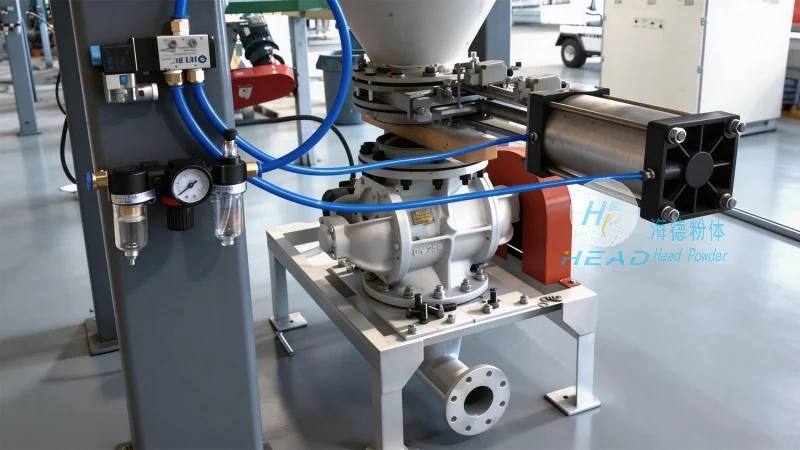
HeadPowder's Pneumatic Conveying System: Advantages and Features
HeadPowder, a division of Shandong HeadPowder Engineering Co., Ltd., based in China, has developed a specialized pneumatic conveying system designed specifically for magnesium oxide powder. This system leverages air to transport the material, offering several advantages over traditional methods. The pneumatic conveying system from HeadPowder is engineered to handle the unique properties of magnesium oxide, ensuring minimal dust generation and preserving the material's quality. By using air as the conveying medium, the system reduces the risk of dust exposure, making it safer for operators and more environmentally friendly. The air flow is controlled to maintain a consistent velocity, preventing particle degradation and agglomeration. This results in a cleaner, more efficient conveying process that meets the stringent requirements of modern industrial applications.
Key Advantages of HeadPowder's Pneumatic Conveying System
HeadPowder's pneumatic conveying system offers several key advantages that make it an ideal choice for magnesium oxide powder transport. First, it provides a dust-free environment, which is crucial for maintaining product purity and worker safety. The system uses enclosed pipelines and controlled air flow to contain the powder, minimizing the release of fine particles into the workplace. This not only reduces health risks but also simplifies cleaning and maintenance procedures. Second, the system is highly efficient in terms of energy consumption and operational costs. By using air as the primary conveying medium, the system eliminates the need for mechanical components like belts or screws that require regular replacement and maintenance. This reduces downtime and lowers overall operational expenses. Third, the system is versatile and can handle both horizontal and vertical transport, including long-distance applications. The adjustable air pressure and flow rates allow for customization to meet specific operational needs, ensuring optimal performance in various industrial settings. Fourth, the system is designed for easy integration with existing production lines, minimizing disruption during installation and operation. HeadPowder's expertise in material handling and pneumatic systems ensures that the system is tailored to the unique requirements of magnesium oxide powder, providing a reliable and efficient solution.
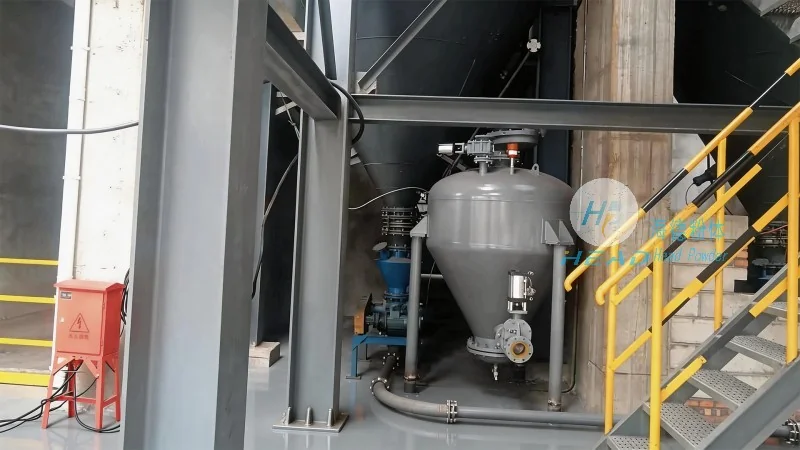
Application Examples and Case Studies
HeadPowder's pneumatic conveying system has been successfully implemented in various industrial applications involving magnesium oxide powder. For example, in a refractory manufacturing plant, the system was used to transport fine magnesium oxide powder from storage silos to mixing and processing equipment. The system's ability to handle vertical and horizontal transport with minimal dust generation ensured that the production process remained efficient and safe. The plant reported a significant reduction in dust-related incidents and improved product quality due to the system's ability to preserve the powder's particle size distribution. Another application was in a chemical manufacturing facility where magnesium oxide was used as a raw material for producing magnesium compounds. The pneumatic conveying system efficiently transported the powder from bulk storage to reaction vessels, maintaining the material's purity and preventing contamination. These case studies demonstrate the effectiveness of HeadPowder's system in addressing the challenges of magnesium oxide powder conveying and enhancing overall operational performance.
Conclusion: Choosing the Right Conveying Solution for Magnesium Oxide Powder
When selecting a conveying method for magnesium oxide powder, it is essential to consider the material's properties, operational requirements, and safety standards. Traditional methods like gravity flow, belt conveyors, and screw conveyors have limitations that can impact product quality and operational efficiency. HeadPowder's pneumatic conveying system, from Shandong HeadPowder Engineering Co., Ltd., offers a superior solution by leveraging air to transport the material with minimal dust generation and preservation of quality. The system's advantages, including efficiency, versatility, and safety, make it an ideal choice for modern industrial applications. By choosing HeadPowder's pneumatic conveying system, companies can ensure reliable and cost-effective transport of magnesium oxide powder, meeting the demands of their production processes while maintaining high standards of safety and environmental responsibility.