

Working Principle and Characteristics of Bulk Material Handling by Pneumatic Conveying Systems for L
Efficient material handling is a critical aspect of industrial operations, particularly in sectors dealing with bulk materials such as powders, granules, and other particulate substances. The process of loading and unloading these materials from trucks, ships, or other transport vehicles often requires robust and reliable systems to ensure safety, speed, and cost-effectiveness. Pneumatic conveying systems have emerged as a preferred solution for such applications, offering a range of advantages over traditional methods like belt conveyors or manual handling. This article explores the working principle and key characteristics of pneumatic conveying systems used in bulk material handling for loading and unloading operations, highlighting how they enhance operational efficiency and productivity.
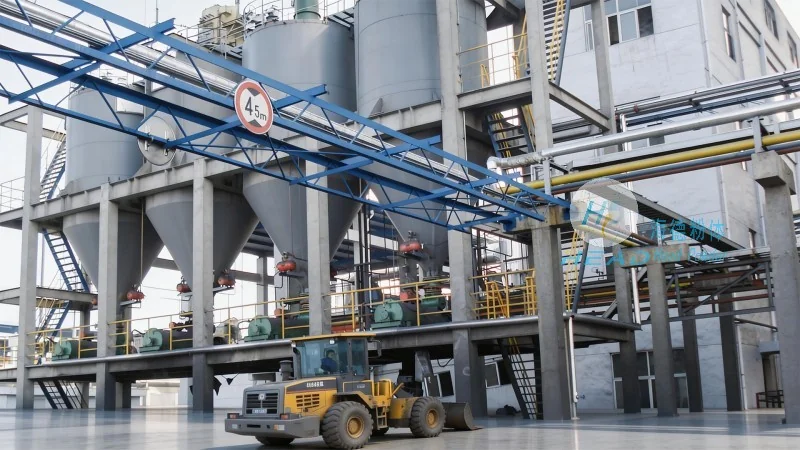
Introduction to Pneumatic Conveying Systems in Bulk Material Handling
Pneumatic conveying, also known as pneumatic transport, is a technology that uses compressed air or other gases to transport bulk materials through a pipeline system. In the context of loading and unloading, these systems are designed to move materials from a storage silo or hopper to the transport vehicle and vice versa. The primary goal is to achieve seamless material transfer with minimal human intervention, reducing the risk of dust exposure, spillage, and operational delays. The systems are particularly suitable for materials that are difficult to handle manually, such as fine powders, abrasive granules, or materials that are prone to segregation or caking.
The Working Principle of Pneumatic Conveying Systems for Loading and Unloading
The fundamental principle behind pneumatic conveying is the use of air pressure to create a flow of material within a closed pipeline. The system typically consists of several key components, including a blower or compressor to generate the necessary air pressure, a hopper or feeder to supply the material, a pipeline network to transport the material, and a receiver or discharge point at the destination. The process begins when the material is fed into the hopper, where it is then drawn into the pipeline by the moving air stream. The air and material mixture travels through the pipeline, with the air pressure maintaining the material's suspension and ensuring smooth transport. At the receiving end, the air is separated from the material, often through a cyclone or filter, and the material is discharged into the transport vehicle or storage area.
There are two main types of pneumatic conveying systems used in bulk material handling: pressure and vacuum systems. Pressure systems operate by blowing air into the pipeline under pressure, pushing the material forward. These systems are ideal for short to medium distances and are commonly used for loading trucks or containers. Vacuum systems, on the other hand, create a negative pressure in the pipeline, drawing the material from the source to the destination. Vacuum systems are often preferred for longer distances or when the material needs to be transported from a lower elevation to a higher one, as they can handle larger volumes and are less affected by pipeline length.
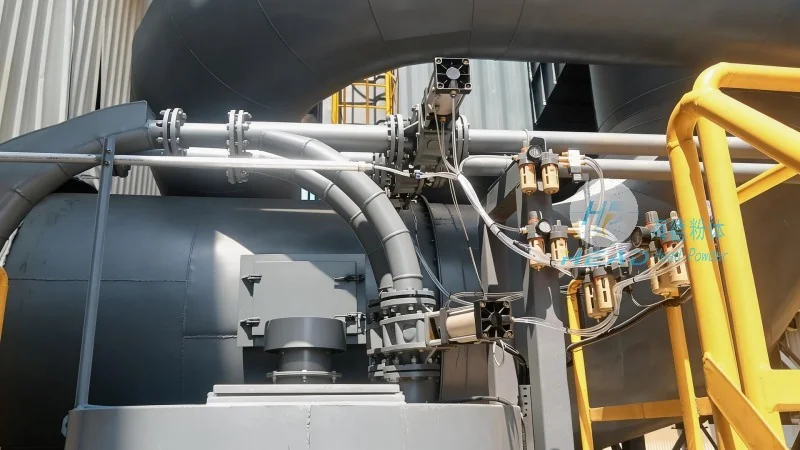
Key Characteristics of Pneumatic Conveying Systems for Loading and Unloading
Several distinct characteristics make pneumatic conveying systems highly effective for loading and unloading operations. First, they offer a high degree of flexibility in terms of layout and design. The pipeline can be configured in various configurations, including straight lines, curves, and vertical lifts, allowing for integration into existing industrial facilities without major structural changes. This adaptability is crucial for optimizing space and ensuring the system fits within the operational constraints of the facility.
Second, pneumatic conveying systems provide excellent material containment and dust control. Unlike open systems, the material is enclosed within the pipeline, preventing dust emissions and minimizing environmental impact. This is particularly important for materials that are hazardous or cause respiratory issues, as it ensures compliance with occupational health and safety regulations. The enclosed system also reduces the risk of material spillage or loss during transport, which can lead to cost savings and improved operational efficiency.
Third, these systems are highly efficient in terms of energy consumption and operational speed. By using compressed air to move the material, the system can achieve rapid transfer rates, often completing a loading or unloading cycle in minutes. This speed is essential for maintaining production schedules and reducing downtime. Additionally, the energy required to operate the system is relatively low compared to other material handling methods, making it a cost-effective solution in the long run.
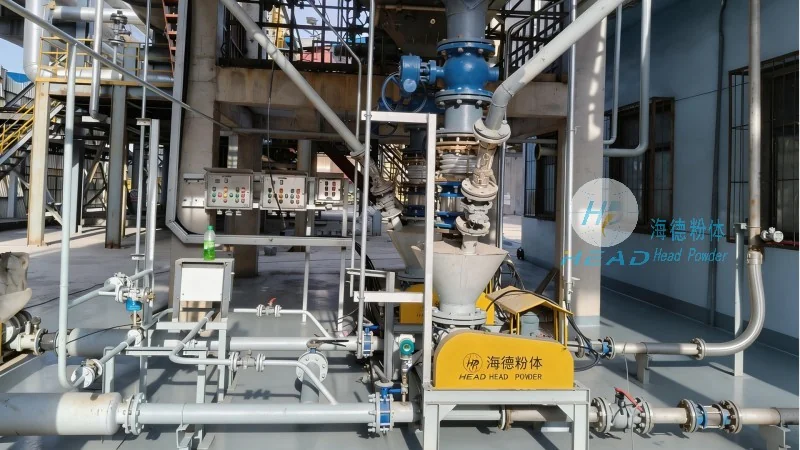
Fourth, pneumatic conveying systems offer improved safety and reliability. The enclosed nature of the system reduces the risk of accidents caused by material handling, such as falls or collisions. The use of automated controls and sensors ensures that the system operates within safe parameters, minimizing the risk of equipment failure or material blockages. Furthermore, the system's reliability is enhanced by the absence of moving parts in the pipeline, which reduces maintenance requirements and increases the overall lifespan of the equipment.
Applications and Benefits in Industrial Settings
Pneumatic conveying systems are widely used in various industries, including food processing, pharmaceuticals, chemicals, and mining. In these sectors, the ability to handle bulk materials safely and efficiently is critical to maintaining product quality and operational continuity. For example, in the food industry, pneumatic conveying is used to transport grains, powders, and other food products from storage to processing lines, ensuring that the materials remain clean and free from contamination. In the pharmaceutical industry, the system is used to handle active pharmaceutical ingredients (APIs) and other sensitive materials, where dust control and material purity are paramount.
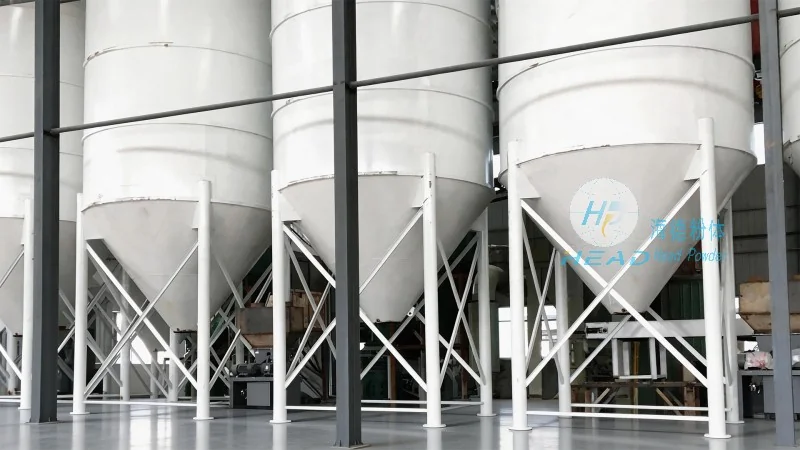
The benefits of pneumatic conveying extend beyond individual industries to the overall operational performance of the facility. By reducing manual labor, the system minimizes the risk of human error and improves consistency in material handling. This leads to higher product quality and reduced waste. Additionally, the system's ability to handle a wide range of materials, from fine powders to coarse granules, makes it a versatile solution for diverse industrial needs.
Conclusion and Company Overview
Pneumatic conveying systems represent a sophisticated and efficient solution for bulk material handling in loading and unloading operations. Their working principle, based on air pressure and material suspension, enables seamless and safe transport of various materials. The key characteristics, including flexibility, dust control, efficiency, and safety, make these systems a preferred choice for industrial applications. As the demand for efficient material handling continues to grow, pneumatic conveying systems are likely to remain a vital component of modern industrial operations.
Shandong HeadPowder Engineering Co., Ltd., a leading provider in the field, specializes in the design, manufacturing, and installation of pneumatic conveying systems tailored to the specific needs of industrial clients. With a focus on innovation and quality, the company has established itself as a trusted partner for businesses seeking reliable and efficient material handling solutions. Based in Shandong, China, HeadPowder Engineering leverages its expertise to deliver systems that enhance operational efficiency, reduce costs, and improve safety in bulk material handling processes.