

Working Principle and Characteristics of Polyethylene Material Pneumatic Conveying
For industrial applications involving the handling of polyethylene materials, understanding the mechanisms and advantages of pneumatic conveying systems is crucial. This article provides an in-depth look at the working principles and key characteristics of pneumatic conveying for polyethylene, presented by Shandong HeadPowder Engineering Co., Ltd., a leading provider in the field.
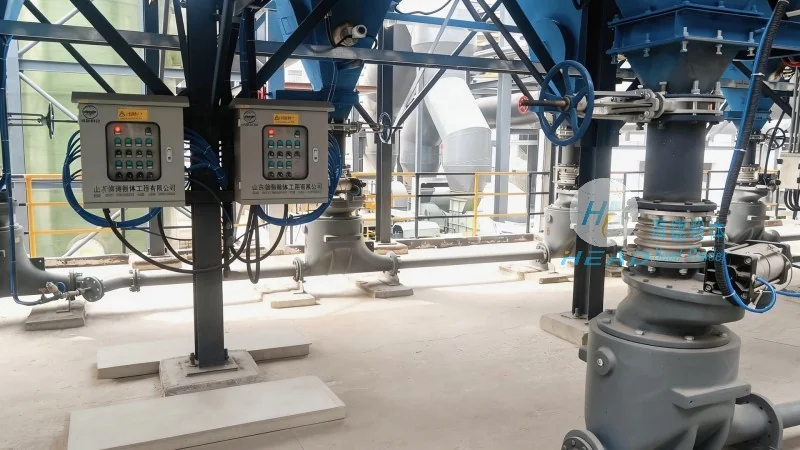
Introduction to Pneumatic Conveying of Polyethylene Materials
Pneumatic conveying is a method used to transport bulk materials, such as polyethylene, through a pipeline using a stream of pressurized or vacuum air. This technology offers a flexible and efficient solution for moving polyethylene from one location to another, especially in environments where traditional mechanical conveying systems may be impractical or less effective. The process involves the use of a conveying line, a blower or vacuum pump to create airflow, and a system of valves and controls to manage the flow of material.
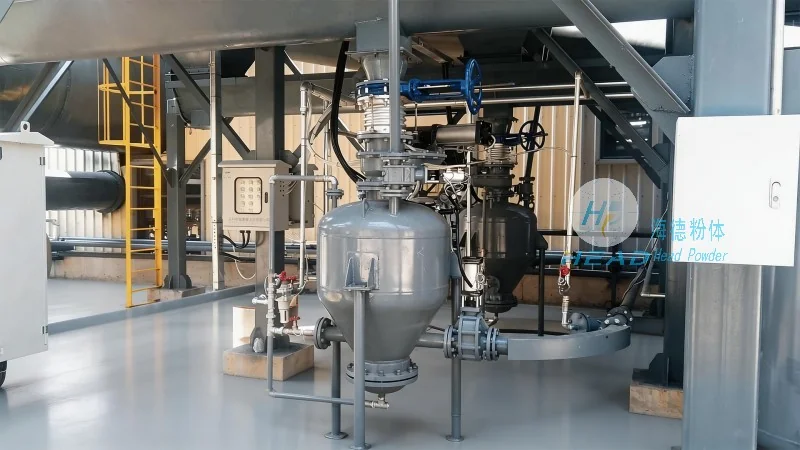
Working Principle of Polyethylene Pneumatic Conveying
The core working principle of polyethylene pneumatic conveying relies on the interaction between the material particles and the air stream. In a typical system, polyethylene pellets or granules are introduced into the conveying line at the inlet. As the air is blown or drawn through the line, it lifts and transports the polyethylene particles along the pipeline. The velocity of the air is carefully controlled to ensure that the polyethylene particles remain suspended in the air stream without settling or causing blockages. The system may use either positive pressure (blowing air into the line) or negative pressure (sucking air out of the line) to move the material, depending on the specific application and layout of the conveying system.
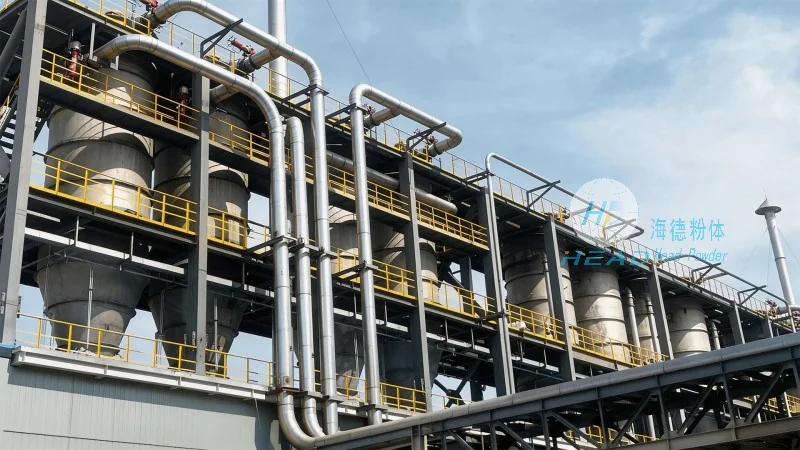
Key Characteristics of Polyethylene Pneumatic Conveying Systems
Several distinct characteristics make pneumatic conveying an attractive option for polyethylene handling. First, it provides a dust-free and clean transfer process, which is essential for maintaining product quality and meeting environmental regulations. Unlike mechanical systems that may generate dust or cause contamination, pneumatic conveying keeps the polyethylene particles contained within the pipeline, reducing the risk of exposure to air and contaminants. Second, the system offers high flexibility in terms of layout and routing. Polyethylene can be conveyed over long distances and around obstacles, with the ability to change the direction of the pipeline as needed. This flexibility is particularly valuable in complex industrial settings where space is limited or the layout of the facility is non-linear. Third, pneumatic conveying systems are generally low in maintenance compared to other conveying methods. The absence of moving parts in the conveying line itself reduces the likelihood of mechanical failure and the need for frequent repairs. Additionally, the system can be easily scaled up or down to accommodate varying production volumes, making it adaptable to different operational needs.
Application Considerations for Polyethylene Pneumatic Conveying
When implementing a pneumatic conveying system for polyethylene, several factors must be considered to ensure optimal performance. The particle size and density of the polyethylene are critical factors, as they affect the air velocity required for effective conveying. Larger or denser particles may require higher air velocities or different system configurations to maintain suspension. The system design must also account for the moisture content of the polyethylene, as excessive moisture can lead to caking or blockages in the pipeline. Proper filtration and drying systems may be necessary to maintain the quality of the polyethylene and prevent system downtime. Furthermore, the material's flowability and cohesive properties are important, as these characteristics influence the system's ability to handle the material without segregation or bridging. By carefully evaluating these factors, industrial operators can select the most appropriate pneumatic conveying system for their polyethylene handling needs.
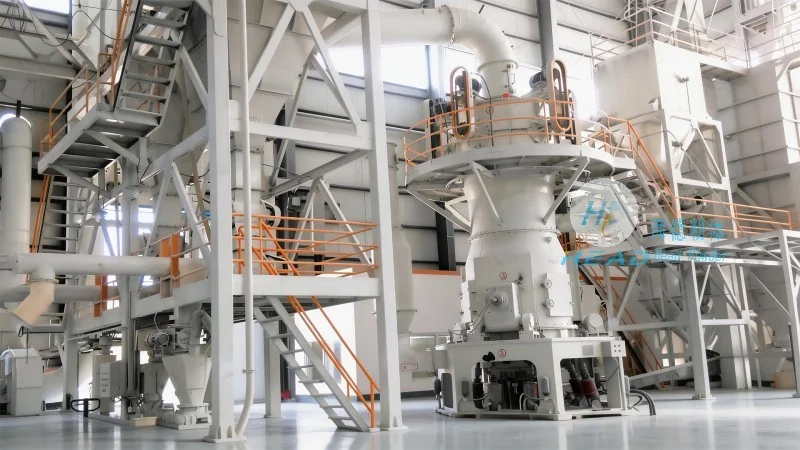
Conclusion and Company Overview
Pneumatic conveying of polyethylene materials is a reliable and efficient method for bulk material handling, offering advantages such as dust-free operation, flexibility in layout, and low maintenance requirements. Shandong HeadPowder Engineering Co., Ltd. specializes in the design, manufacturing, and installation of pneumatic conveying systems tailored to the specific needs of polyethylene processing facilities. With a focus on quality and customer satisfaction, the company provides comprehensive solutions that enhance operational efficiency and product quality. Based in Shandong, China, HeadPowder Engineering leverages years of experience and advanced technology to deliver innovative and effective pneumatic conveying systems for the polyethylene industry.