

Working Principle and Features of Silica Sand Material Pneumatic Conveying Equipment
For industries dealing with silica sand, efficient material handling is crucial. Pneumatic conveying equipment offers a reliable solution to transport silica sand from one location to another, ensuring minimal loss and optimal performance. This article explores the working principle and key features of such equipment, providing insights into its application and benefits.
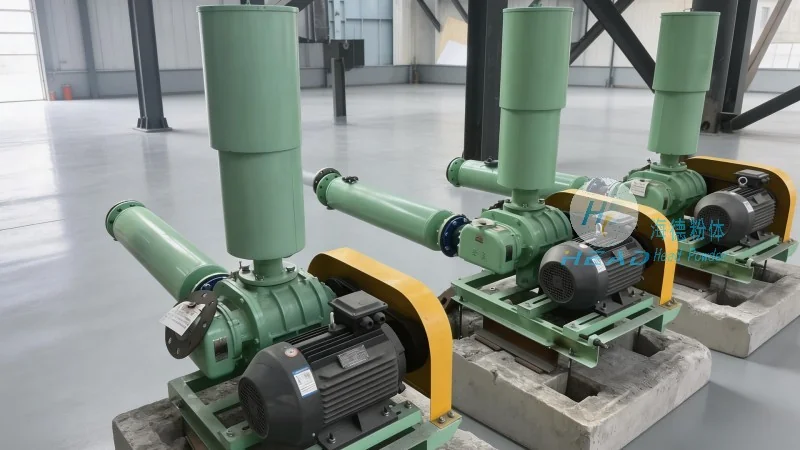
Understanding the Working Principle of Silica Sand Pneumatic Conveying Equipment
The core of pneumatic conveying for silica sand lies in the interaction between the material and a carrier gas, typically air. The system operates by creating a pressure differential that propels the sand through a network of pipes. There are two primary modes of operation: positive pressure and negative pressure systems. In positive pressure systems, compressed air is introduced at the inlet, pushing the sand forward through the pipeline. Conversely, negative pressure systems use suction to draw the sand into the system, creating a vacuum that pulls the material along. The choice between these modes depends on factors such as the distance to be covered, the quantity of sand, and the need for dust control. The equipment typically includes a hopper for material storage, a feeder to control the flow rate, a conveying line, and a receiver to collect the material at the destination. The feeder ensures a consistent flow of sand into the system, preventing blockages and maintaining system efficiency. The conveying line is designed to handle the pressure and flow requirements, with appropriate fittings and valves to direct the material. The receiver, often equipped with a dust collection system, ensures that the sand is deposited without contamination or loss. The carrier gas, usually filtered and conditioned, is mixed with the sand in the hopper or feeder, creating a slurry-like mixture that is then transported through the pipeline. The velocity of the gas is critical; it must be sufficient to keep the sand suspended and prevent settling, while not excessive to cause excessive wear on the equipment or energy waste. The system’s design, including the size of the pipes, the number of bends, and the type of valves, all contribute to the overall efficiency and reliability of the conveying process.
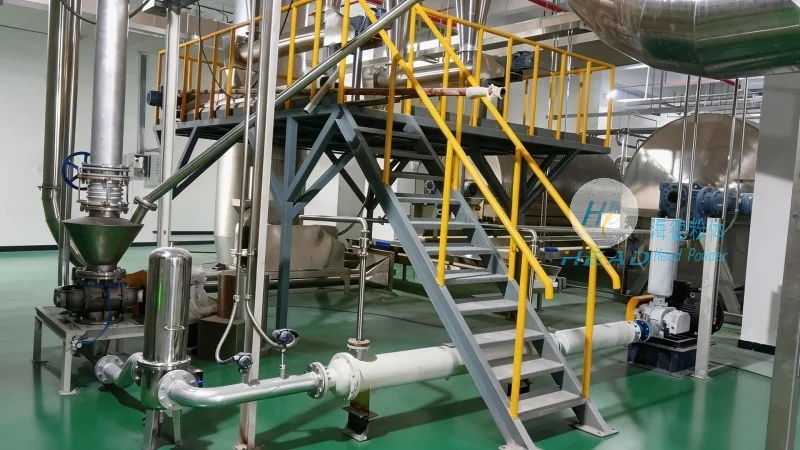
Key Features of Silica Sand Pneumatic Conveying Equipment
Several features make pneumatic conveying equipment an attractive option for silica sand handling. First, it offers high efficiency in material transport, with the ability to move large quantities of sand over long distances with minimal manual intervention. The system can handle varying particle sizes and densities, making it versatile for different applications. Second, it is environmentally friendly, as it reduces the need for manual handling and minimizes dust emissions compared to traditional methods like bucket elevators or belt conveyors. The enclosed system also prevents dust from escaping into the environment, improving workplace safety and compliance with environmental regulations. Third, the equipment is flexible and can be easily integrated into existing production lines. It can be configured to handle different flow rates and distances, and can be expanded or modified as production needs change. Fourth, it provides better control over the material flow, allowing for precise dosing and timing of the sand delivery. This is particularly important in processes where the sand is used as an ingredient in manufacturing, such as in glass production or foundry applications. The system can be equipped with sensors and controls to monitor the flow rate, pressure, and temperature, ensuring consistent performance. Fifth, the equipment is relatively low maintenance compared to other conveying systems. The absence of moving parts in the pipeline reduces wear and tear, and the simple design makes it easier to clean and maintain. This results in lower operational costs and longer equipment life. Finally, the system is compact and can be installed in limited spaces, making it suitable for facilities with space constraints. The modular design allows for easy installation and maintenance, reducing downtime and increasing productivity.
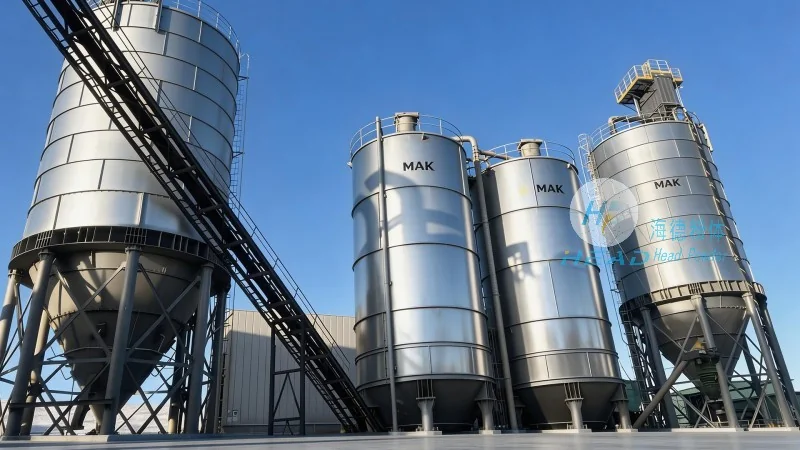
About Shandong HeadPowder Engineering Co., Ltd.
Shandong HeadPowder Engineering Co., Ltd., commonly known as HeadPowder, is a leading manufacturer of pneumatic conveying equipment for various industrial applications. With a focus on innovation and quality, the company has established itself as a trusted partner for businesses dealing with bulk materials like silica sand. HeadPowder’s products are designed to meet the specific needs of different industries, ensuring optimal performance and reliability. The company’s headquarters is located in Shandong, China, where it has a team of experienced engineers and technicians dedicated to research, development, and production. HeadPowder adheres to strict quality control standards, ensuring that all equipment meets international specifications and customer requirements. The company provides comprehensive support, including design, installation, and after-sales service, to ensure that customers get the most out of their investment. With a commitment to customer satisfaction and continuous improvement, HeadPowder is dedicated to providing high-quality pneumatic conveying solutions that enhance productivity and efficiency in material handling processes.