

Common Desulfurization and Denitrification Agent Delivery Methods: Advantages of HeadPowder's Pneumatic Conveying Technology
When it comes to the delivery of desulfurization and denitrification agents, selecting the right method is crucial for ensuring efficient operation and maintaining the integrity of the chemical solutions. These agents are critical components in industrial processes, particularly in power generation and manufacturing, where they help reduce harmful emissions. The choice of delivery system can significantly impact process efficiency, safety, and overall operational costs. In this article, we explore common delivery methods and highlight the advantages of HeadPowder's pneumatic conveying technology.
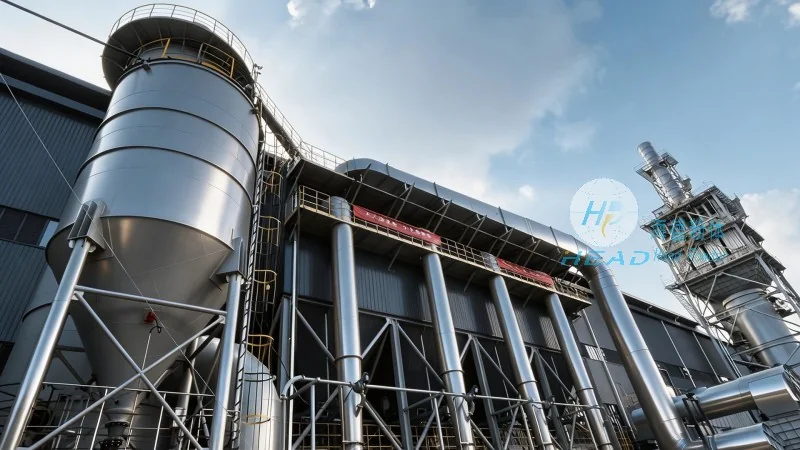
Understanding Common Desulfurization and Denitrification Agent Delivery Methods
Desulfurization and denitrification agents are typically delivered to reactors or processing units using several methods. The most common approaches include pump-based systems, screw conveyors, and pneumatic conveying. Each method has its own set of advantages and limitations, depending on the specific requirements of the application.
Pump-based delivery systems are widely used for liquid or semi-liquid agents. These systems utilize pumps to move the material through pipelines, ensuring a consistent flow rate. However, they may require additional equipment for mixing and may not be suitable for dry powders or granules. Screw conveyors are another popular option, especially for bulk materials that are solid and free-flowing. They operate by rotating a screw within a tube, pushing the material forward. While effective for certain materials, screw conveyors can experience issues with clogging and wear over time.
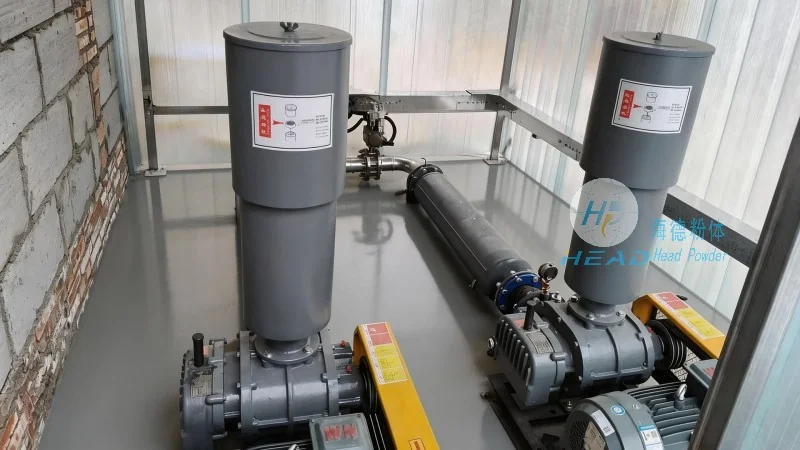
HeadPowder's Pneumatic Conveying Technology: A Superior Solution
HeadPowder, a leading manufacturer in the field, offers advanced pneumatic conveying systems specifically designed for desulfurization and denitrification agents. Pneumatic conveying uses compressed air or other gases to transport materials through a pipeline. This method is particularly effective for handling dry powders and granules, which are common in these applications. The technology provides several key advantages that make it a preferred choice for many industries.
Firstly, pneumatic conveying offers high efficiency in material transport. By using air pressure to move the material, the system can achieve rapid and consistent delivery, reducing downtime and improving overall process throughput. This is especially beneficial in continuous production environments where uninterrupted operation is critical. Secondly, the system is highly flexible and can be easily integrated into existing infrastructure. It can handle various particle sizes and shapes, making it suitable for a wide range of agents. Additionally, pneumatic conveying minimizes the risk of material contamination and degradation, as the material is not in direct contact with mechanical parts for extended periods.
Key Advantages of HeadPowder's Pneumatic Conveying Systems
HeadPowder's pneumatic conveying systems are engineered with several features that enhance performance and reliability. One of the primary advantages is the ability to handle both dry and wet powders, adapting to different agent types. The systems are designed with high-quality materials that resist corrosion and wear, ensuring long service life. This reduces maintenance costs and increases the overall return on investment for customers. Another significant benefit is the energy efficiency of the system. By optimizing air flow and pressure, HeadPowder's systems minimize energy consumption while maintaining high delivery rates. This contributes to lower operational costs and a smaller environmental footprint.
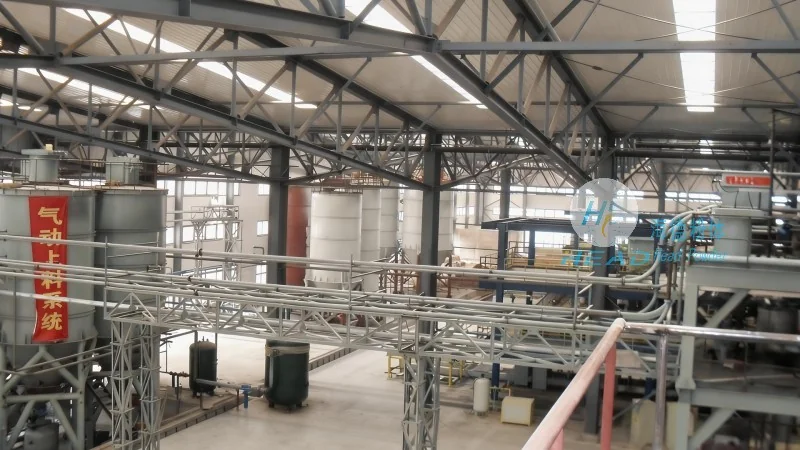
Customization and Integration Capabilities
HeadPowder understands that each industrial application has unique requirements. Therefore, their pneumatic conveying systems are highly customizable to meet specific needs. The company offers tailored solutions that can be integrated seamlessly into existing production lines. This includes options for different pipeline configurations, control systems, and material handling capabilities. Whether the application involves large-scale production or smaller batch processing, HeadPowder can provide a solution that fits the exact specifications. The company's engineering team works closely with clients to understand their operational challenges and design a system that maximizes efficiency and safety.
Conclusion: Choosing the Right Delivery Method for Desulfurization and Denitrification Agents
In conclusion, the choice of delivery method for desulfurization and denitrification agents is a critical decision that impacts operational efficiency and safety. While traditional methods like pump and screw conveyors have their uses, pneumatic conveying offers superior advantages in terms of efficiency, flexibility, and material handling. HeadPowder's advanced pneumatic conveying technology provides a reliable and effective solution for industries seeking to optimize their processes. By leveraging the benefits of this technology, companies can enhance their production capabilities, reduce costs, and ensure compliance with environmental regulations. For businesses looking to improve their desulfurization and denitrification operations, HeadPowder's pneumatic conveying systems represent a forward-thinking and efficient choice.