

Working Principle and Features of Polyolefin Material Pneumatic Conveying Systems
For industries dealing with polyolefin materials, efficient material handling is crucial. Pneumatic conveying systems offer a reliable solution, and understanding their working principle and key features is essential for optimizing operations. This article explores the fundamental mechanisms behind polyolefin material pneumatic conveying systems, highlighting their advantages and practical applications.
Working Principle of Polyolefin Material Pneumatic Conveying Systems
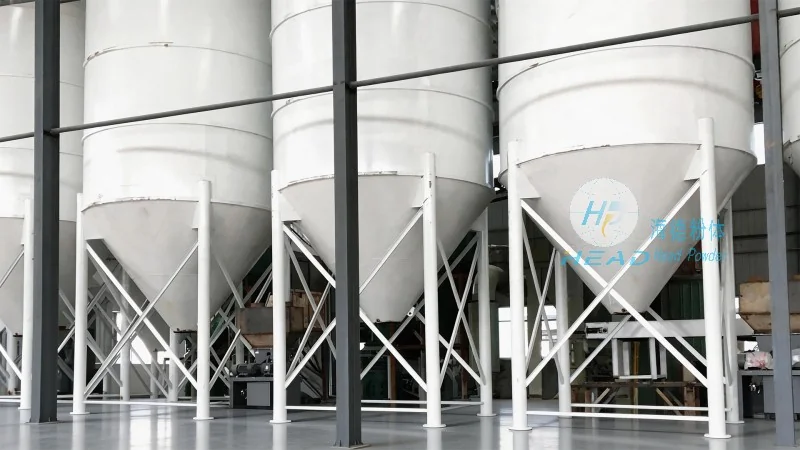
Pneumatic conveying systems utilize air as the primary medium to transport polyolefin materials from one location to another. The core working principle involves creating a pressure differential between the material source and the destination. In a typical setup, the system consists of a hopper, a conveyor line, and a receiver. The process begins when the polyolefin material is fed into the hopper. Air is then introduced into the system, either through a positive pressure or negative pressure (vacuum) method. Positive pressure systems blow air into the conveyor line, pushing the material along the pipeline. Negative pressure systems, on the other hand, create a vacuum that draws the material and air mixture into the line. The air velocity is carefully controlled to ensure the material is carried without degradation or segregation. The material is then discharged at the receiving end, where the air is separated and recycled back into the system.
Key Features of Polyolefin Material Pneumatic Conveying Systems
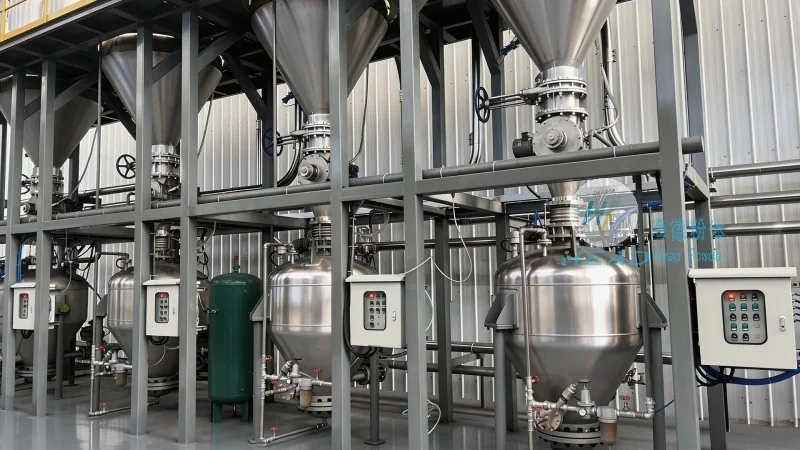
HeadPowder Engineering Co., Ltd., a leading provider of material handling solutions, specializes in designing and manufacturing high-quality polyolefin material pneumatic conveying systems. These systems are engineered to meet the unique demands of polyolefin processing, offering several distinct features that enhance performance and reliability. One of the primary features is the ability to handle fine or powdery polyolefin materials without causing clogging or blockages. The system's design incorporates specialized components, such as flexible hoses or rigid pipelines, to accommodate the material's flow characteristics. Additionally, the conveying process is gentle on the polyolefin material, preserving its quality and preventing degradation. This is particularly important for materials that are sensitive to moisture or temperature changes. Another key feature is the system's flexibility in terms of layout and integration. It can be customized to fit various plant configurations, allowing for seamless integration with existing production lines. The systems also offer high efficiency, with minimal material loss and low maintenance requirements. HeadPowder's expertise ensures that each system is tailored to the specific needs of the client, optimizing both performance and cost-effectiveness.
Advantages in Material Handling
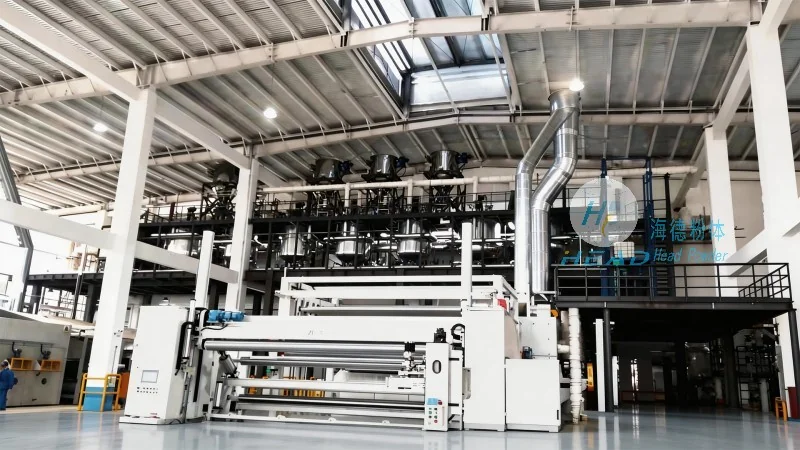
The application of polyolefin material pneumatic conveying systems brings several advantages to industrial operations. Firstly, they provide a dust-free and clean conveying process, which is critical in maintaining a safe and healthy working environment. Unlike traditional mechanical conveying methods, which can generate significant dust and debris, pneumatic systems keep the material contained within the pipeline, reducing the risk of inhalation hazards and contamination. Secondly, these systems offer a high degree of flexibility in terms of material transport. They can handle materials over long distances and through complex layouts, including vertical and horizontal sections. This flexibility allows for efficient material distribution across different parts of the plant. Thirdly, the systems are energy-efficient, as they use compressed air that can be recycled and reused within the system. This reduces operational costs and minimizes environmental impact. Furthermore, the gentle handling of polyolefin materials ensures that the product quality is maintained throughout the conveying process, which is essential for applications where material integrity is paramount.
Customization and Reliability
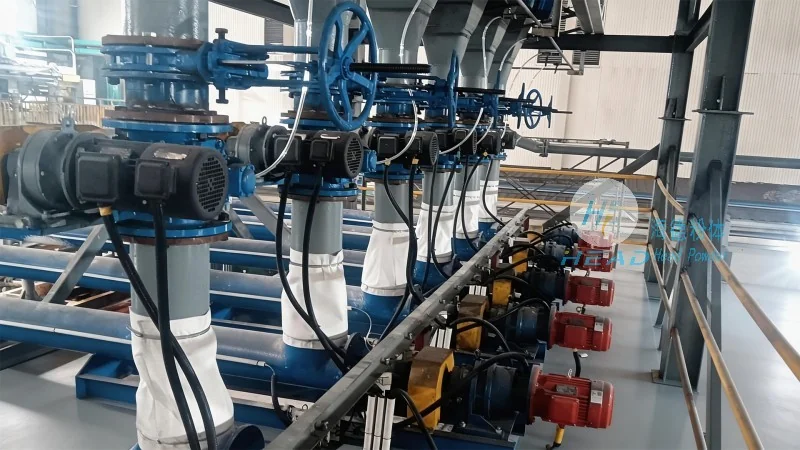
HeadPowder Engineering Co., Ltd. emphasizes customization and reliability in their polyolefin material pneumatic conveying systems. Each system is designed based on the specific requirements of the client, including the type of polyolefin material, the volume to be conveyed, and the distance between the source and destination. The company's engineers work closely with clients to understand their operational needs and provide tailored solutions. The systems are built with high-quality components, ensuring durability and long-term performance. Regular maintenance and support are also provided to ensure the system operates at optimal levels. This commitment to customization and reliability makes HeadPowder a trusted partner for industries seeking efficient and effective material handling solutions.