

Working Principle and Features of Corn Granule Material Pneumatic Conveying Line
Shandong HeadPowder Engineering Co., Ltd. specializes in the design, manufacturing, and installation of advanced pneumatic conveying systems tailored for handling corn granules and similar bulk materials. This article explores the fundamental working principles and key features of such systems, providing insights into their efficiency, reliability, and application benefits.
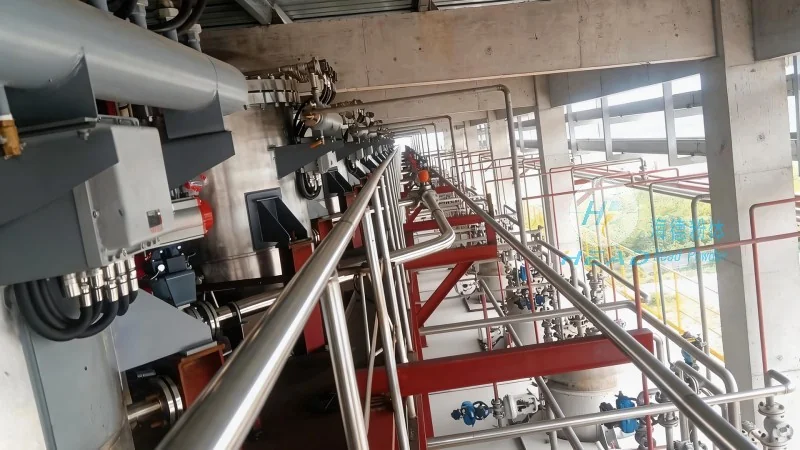
The Working Principle of Corn Granule Material Pneumatic Conveying Lines
Corn granule material pneumatic conveying lines operate on the principle of using compressed air or other gases to transport bulk materials through a network of pipes. The process typically involves several key components and steps. First, the corn granules are fed into a hopper or feeder, where they are then drawn into a venturi or other type of airlock device. Compressed air is introduced into the system, creating a low-pressure zone that pulls the material along with the air stream. The mixture of corn granules and air travels through the pipeline to the discharge point, where the air is separated from the material, often using cyclones or filters. This method allows for the continuous, dust-free, and efficient transportation of corn granules over long distances without the need for mechanical components like belts or buckets.
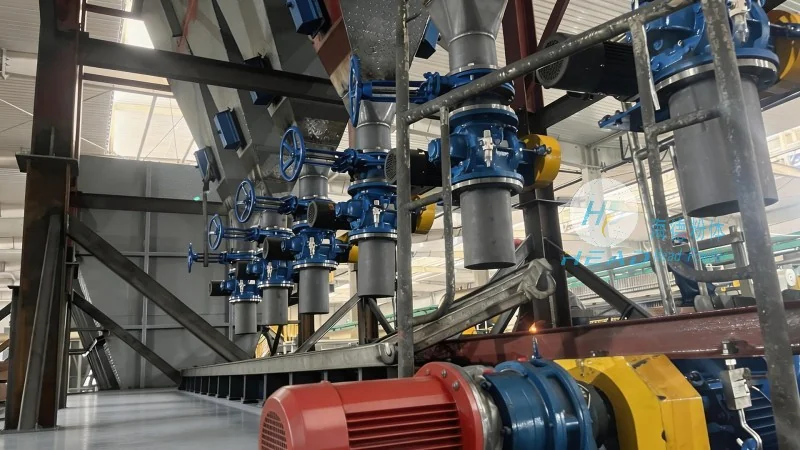
Key Features of Corn Granule Material Pneumatic Conveying Systems
Systems designed for corn granule material handling exhibit several distinct features that enhance performance and usability. One primary feature is the ability to handle abrasive materials like corn granules without significant wear on the system components, thanks to the use of high-quality materials such as stainless steel or specialized coatings. Another key feature is the system's flexibility in terms of layout and integration with existing production lines. Pneumatic conveying lines can be customized to fit various spatial constraints and operational requirements, making them suitable for both new installations and retrofitting into existing facilities. Additionally, these systems offer excellent control over material flow, allowing for precise dosing and regulation of corn granule delivery to downstream processes. The absence of moving parts in the conveying path reduces maintenance needs and operational downtime, contributing to higher overall system reliability. Furthermore, pneumatic conveying systems provide a hygienic and clean environment for handling food-grade materials like corn, as they minimize direct contact with the material and reduce the risk of contamination. This is particularly important in applications where food safety and quality standards are stringent.
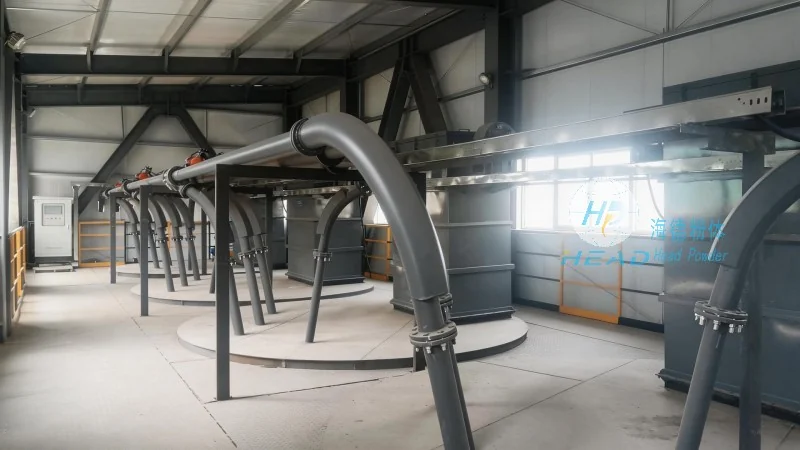
Applications and Benefits in Corn Processing Industries
Corn granule material pneumatic conveying lines are widely used in various stages of corn processing, from storage and handling to processing and packaging. In storage facilities, these systems efficiently move corn from silos or storage bins to processing units, ensuring a steady supply of raw material. During processing, they transport corn granules to milling, grinding, or drying equipment, where the material is further processed into products like cornmeal, corn flour, or corn syrup. The ability to handle large volumes of corn granules quickly and reliably makes pneumatic conveying systems essential in high-throughput corn processing plants. The benefits of using such systems include increased productivity, reduced labor costs, and improved product quality due to consistent material handling. Moreover, the dust-free operation of pneumatic conveying lines helps maintain a cleaner working environment, enhancing safety and compliance with industrial standards.