

Working Principle and Features of Small Bag Loading Material Pneumatic Conveying Equipment
Small bag loading material pneumatic conveying equipment is a specialized system designed to efficiently transport bulk materials from storage bags into processing or handling systems. This technology is widely used in industries such as food processing, pharmaceuticals, chemicals, and powders, where precise and hygienic material transfer is critical. The equipment operates by creating a pressure differential to move materials through a pipeline using air or other gases, eliminating the need for mechanical components that could introduce contamination or damage to the product.
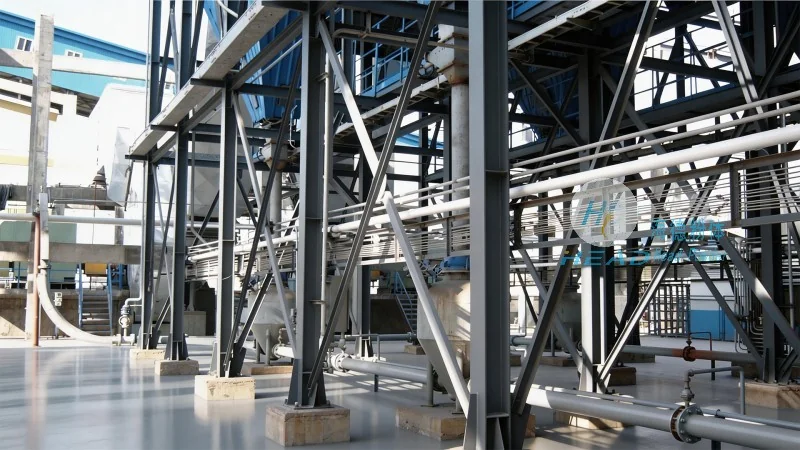
Working Principle of the Small Bag Loading Pneumatic Conveying System
The core working principle of this equipment involves the use of a vacuum or pressure system to draw material from a sealed bag into a conveying line. The process typically begins with the opening of a bag, which is then connected to the inlet of the conveying system. As the bag is emptied, a vacuum is applied to the bag's opening, creating a negative pressure that pulls the material into the conveying line. Simultaneously, a controlled amount of air is introduced to assist in the movement of the material, ensuring a smooth and consistent flow. The system may include components such as a bag opener, a hopper, a filter, and a control valve to regulate the flow and maintain system integrity. The vacuum or pressure generated is carefully managed to prevent material degradation and ensure that the conveying process is energy-efficient. The entire operation is automated, allowing for continuous and unattended material transfer, which enhances productivity and reduces labor costs.
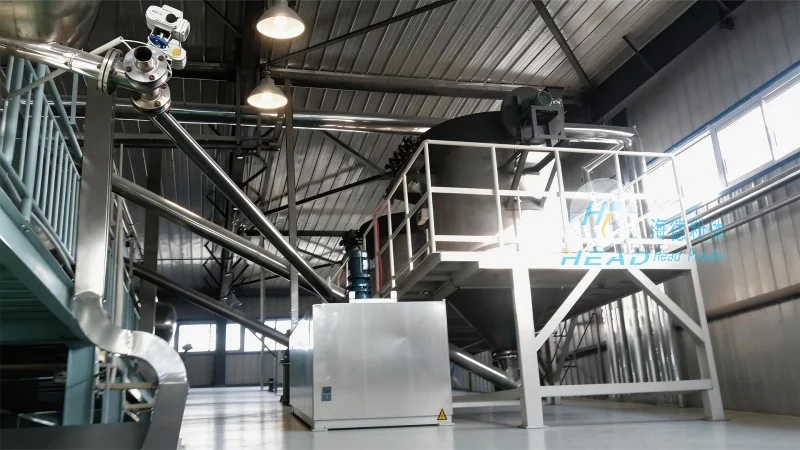
Key Features and Advantages of the Equipment
One of the primary advantages of small bag loading pneumatic conveying equipment is its ability to handle a wide range of materials, including fine powders, granules, and bulk solids. The system is designed to be flexible and adaptable, with options for different bag sizes and types, making it suitable for various production scales. Another key feature is the hygienic design, which is essential for industries like food and pharmaceuticals. The equipment is constructed from materials that are easy to clean and maintain, such as stainless steel, and includes features like sealed connections and minimal dead zones to prevent product contamination. Additionally, the system offers high efficiency and low maintenance costs, as it eliminates the need for mechanical conveyors that require regular lubrication and replacement parts. The automated operation also reduces human error and improves safety in the workplace. Furthermore, the equipment can be integrated with other processing systems, such as mixers or reactors, to create a seamless production line. This integration enhances overall operational efficiency and reduces downtime.
Technical Specifications and Application Considerations
The technical specifications of small bag loading pneumatic conveying equipment vary depending on the specific application and material being handled. Key parameters include the conveying capacity, which can range from a few kilograms per hour to several tons per hour, depending on the system size and design. The pressure or vacuum levels required for operation are also critical, as they affect the system's efficiency and energy consumption. For example, vacuum systems are generally more suitable for fine powders and require lower pressure levels, while pressure systems are better for bulkier materials and can handle higher pressures. The conveying distance and height are also important factors, as they determine the system's layout and component selection. The equipment is typically designed to handle materials with different properties, such as moisture content, particle size, and flowability. The selection of the appropriate conveying method, whether vacuum or pressure, depends on the material's characteristics and the desired process outcome. Additionally, the system's control system plays a crucial role in optimizing performance and ensuring safe operation. Modern systems often include advanced control features, such as variable speed drives and real-time monitoring, to adjust the conveying parameters based on the material flow and system conditions.
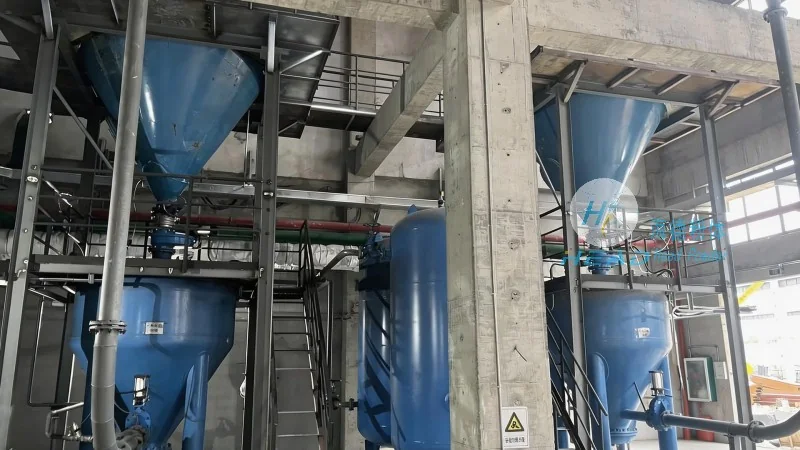
Conclusion and Company Information
Small bag loading material pneumatic conveying equipment is a highly effective solution for efficient and hygienic material transfer in various industrial applications. The system's working principle, based on creating a pressure differential to move materials through a pipeline, ensures a smooth and consistent flow. Its key features, including hygienic design, flexibility, and high efficiency, make it an ideal choice for industries that require precise and contamination-free material handling. The technical specifications and application considerations must be carefully evaluated to ensure the system meets the specific needs of the production process. As a leading manufacturer in the field, Shandong HeadPowder Engineering Co., Ltd. specializes in providing customized solutions for small bag loading pneumatic conveying equipment, tailored to the unique requirements of each client. With a focus on quality, innovation, and customer satisfaction, the company offers reliable and durable equipment that enhances productivity and operational efficiency. Based in Shandong, China, HeadPowder has established itself as a trusted partner for businesses seeking advanced material handling solutions.