

How to Transport Caustic Soda?
Caustic soda, also known as sodium hydroxide, is a highly caustic and corrosive chemical widely used in various industrial processes. The safe and efficient transportation of caustic soda is crucial for industries that rely on it, as improper handling can lead to safety hazards and operational disruptions. This article explores the primary methods used for transporting caustic soda, providing insights into each approach and its applications. HeadPowder, a leading provider of chemical engineering solutions, specializes in the safe and reliable transportation of caustic soda and other hazardous chemicals. HeadPowder is a subsidiary of Shandong HeadPowder Engineering Co., Ltd., a company headquartered in Shandong, China, with extensive experience in the chemical industry. The company is committed to delivering high-quality chemical products and services while maintaining the highest standards of safety and environmental responsibility.
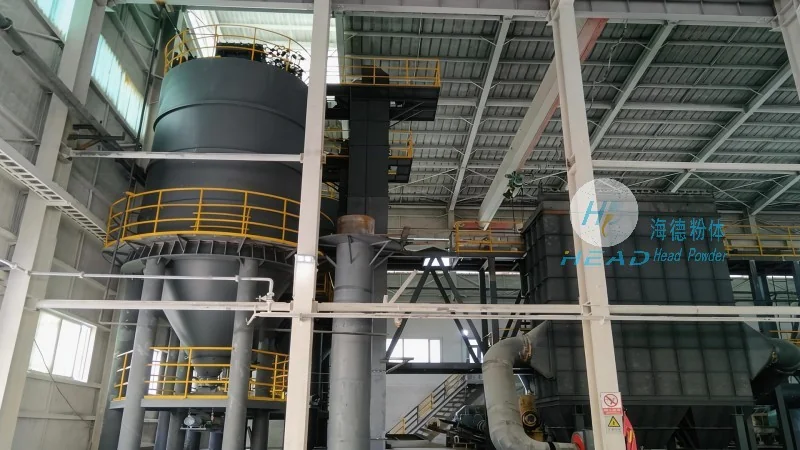
Overview of Caustic Soda Transportation
Caustic soda is typically transported in bulk quantities due to its high demand in industries such as paper manufacturing, chemical production, and water treatment. The choice of transportation method depends on factors like the volume of the shipment, the distance to be covered, and the specific requirements of the receiving facility. Common transportation methods include pipeline transport, road transport via tank trucks, and rail transport, with each method offering distinct advantages and considerations.
Pipeline Transport: The Most Efficient Bulk Method
Pipeline transport is the most common and efficient method for moving large volumes of caustic soda over long distances. This method involves pumping the liquid through a network of underground pipes, which are specifically designed to handle the corrosive nature of the chemical. The system is typically closed-loop, ensuring that the caustic soda remains contained and minimizing the risk of leaks or spills. Pipeline transport is particularly advantageous for continuous supply to industrial plants, as it allows for a steady flow of the chemical without the need for frequent loading and unloading.
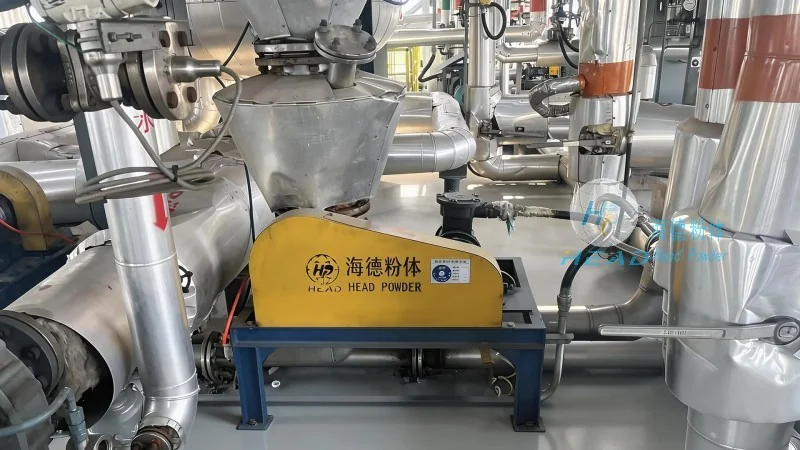
Road Transport via Tank Trucks: Flexibility and Accessibility
For shorter distances or when bulk quantities are not required, road transport using tank trucks is a popular choice. Tank trucks are specially designed vehicles equipped with insulated and corrosion-resistant tanks that can safely carry caustic soda. These trucks are often used to deliver caustic soda to smaller facilities or as a supplementary method to pipeline transport. The flexibility of road transport allows for on-demand deliveries, making it suitable for industries with varying consumption rates. However, it is important to note that road transport may be subject to traffic conditions and regulatory restrictions, which can impact delivery times.
Rail Transport: Cost-Effective for Long-Distance Bulk Shipment
Rail transport is another viable option for transporting large volumes of caustic soda over long distances, particularly when the destination is located near a railway network. Railcars equipped with specialized tank cars are used to carry caustic soda, offering a cost-effective solution compared to road transport for high-volume shipments. This method is ideal for industries that require consistent and large-scale supply of caustic soda, as it can handle significant quantities while minimizing transportation costs. Rail transport also reduces the risk of accidents associated with road transport, as it operates on dedicated tracks and is less affected by traffic congestion.
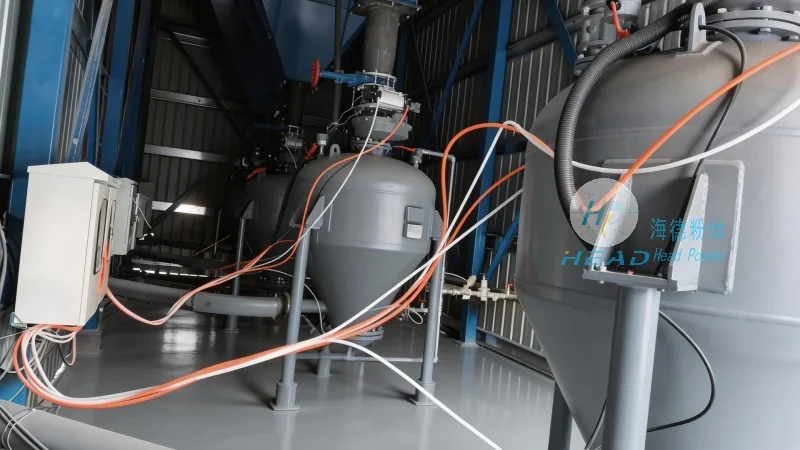
Containerized Transport: Safe Handling for Smaller Quantities
For smaller quantities of caustic soda, containerized transport is often used. This method involves packaging the caustic soda in specialized containers, such as plastic or metal drums, which are then loaded into shipping containers. The containers are designed to withstand the corrosive properties of caustic soda and are equipped with proper ventilation and sealing mechanisms to prevent leaks. Containerized transport is suitable for industries that require smaller, more frequent deliveries or for transporting caustic soda to locations without direct access to pipelines or tank trucks. It provides an additional layer of safety and convenience for handling smaller volumes.
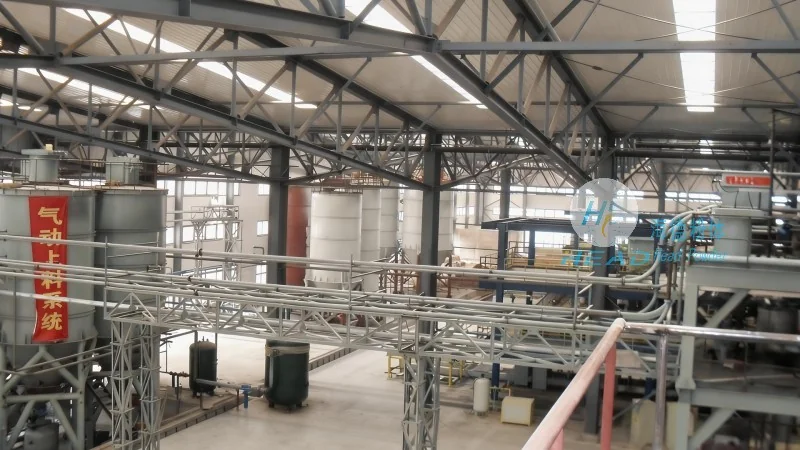
Key Considerations for Safe Caustic Soda Transportation
Regardless of the transportation method chosen, several key considerations must be addressed to ensure the safe and efficient movement of caustic soda. First, proper equipment and materials are essential to prevent corrosion and leaks. Tanks, pipes, and containers must be made of materials that are compatible with caustic soda, such as stainless steel or specialized plastics. Second, rigorous maintenance and inspection are required to identify and address any potential issues before they become major problems. Regular checks of equipment for signs of wear, corrosion, or damage are crucial for maintaining the integrity of the transportation system. Third, adherence to safety regulations and guidelines is mandatory. This includes following local and international regulations regarding the handling, storage, and transportation of hazardous chemicals. Proper training for personnel involved in the transportation process is also essential to ensure they are equipped with the knowledge and skills to handle caustic soda safely.
Conclusion
The transportation of caustic soda requires careful planning and adherence to safety protocols to ensure the well-being of personnel and the integrity of the supply chain. Whether using pipeline, road, rail, or containerized transport, each method has its own advantages and considerations. By understanding the specific needs of the industry and selecting the appropriate transportation method, companies can ensure the safe and efficient delivery of caustic soda. The importance of proper equipment, maintenance, and regulatory compliance cannot be overstated, as they directly impact the overall safety and reliability of the transportation process.