

Principle and Working Scene Characteristics of Calcium Carbide Slag Pneumatic Conveying Lines
Calcium carbide slag, a byproduct of the calcium carbide production process, presents unique handling challenges due to its abrasive nature and varying particle sizes. Pneumatic conveying systems offer an efficient and reliable solution for transporting this material from production sites to disposal or processing facilities. This article explores the fundamental principles behind such systems and highlights the key characteristics of their application in real-world industrial scenarios, with a focus on the expertise of Shandong HeadPowder Engineering Co., Ltd., a leading provider in this field.
The Fundamental Principle of Pneumatic Conveying for Calcium Carbide Slag
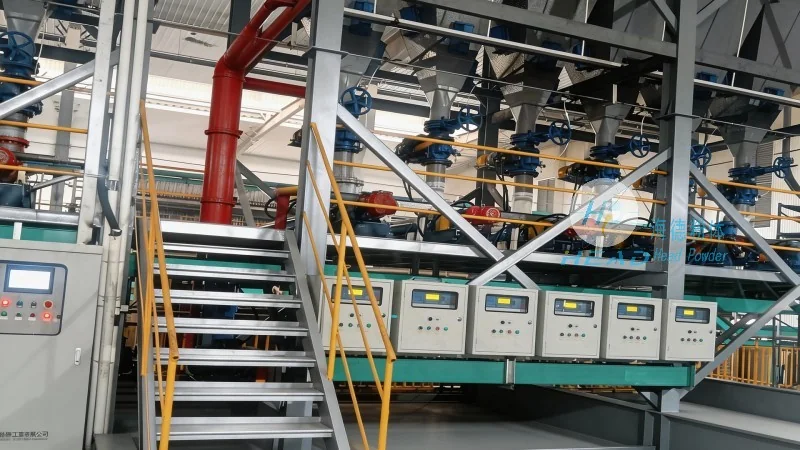
Pneumatic conveying relies on the movement of air or gas to transport solid materials through a pipeline. In the case of calcium carbide slag, the system typically operates under positive pressure, where air is forced through the pipeline at a high velocity, creating a stream that carries the slag particles. The key components of a typical system include a material feed hopper, a rotary airlock valve, a conveying pipeline, and a dust collector or receiver. The feed hopper holds the slag, and the rotary valve controls the flow rate, ensuring a consistent supply of material into the pipeline. As the air flows at sufficient velocity, it entrains the slag particles, moving them through the pipeline to the destination. The design of the system, including pipe diameter, air velocity, and pressure, is critical to achieving efficient and low-loss transport. For calcium carbide slag, which can be highly abrasive, the selection of appropriate materials for the pipeline and components is essential to ensure long-term durability and minimal maintenance.
Key Working Scene Characteristics of Calcium Carbide Slag Pneumatic Conveying Lines
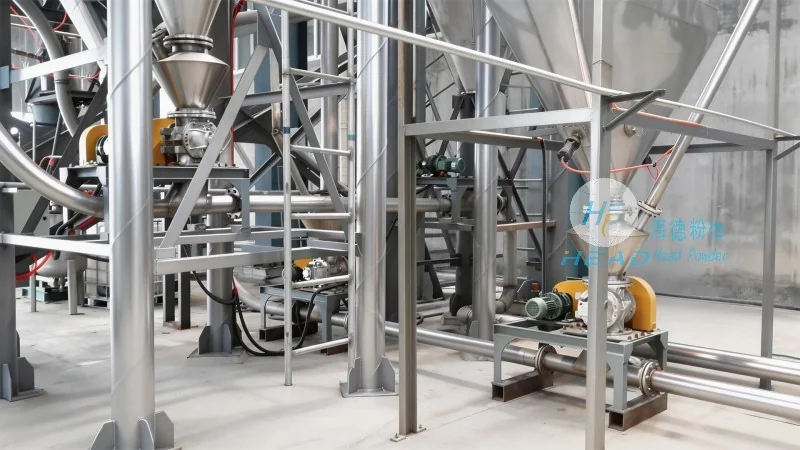
The application of pneumatic conveying lines for calcium carbide slag varies across different industrial settings, each presenting distinct operational requirements and challenges. In steel and chemical production facilities, where calcium carbide is used as a raw material, the system must handle large volumes of slag efficiently, often integrating with existing production lines to minimize downtime. The working scene characteristics include high throughput rates, the need for continuous operation, and the integration with other processing equipment. In waste management scenarios, the system is used to transport slag from storage areas to disposal sites, requiring robust designs that can handle irregular particle sizes and potential moisture content. The characteristics also extend to the environmental considerations, as the system must minimize dust emissions and comply with local regulations. Additionally, the working scene may involve multiple stages of transport, such as from a crusher to a storage silo, or from a processing plant to a landfill, each requiring tailored system configurations to optimize performance. The adaptability of pneumatic conveying systems to these diverse scenarios makes them a preferred choice for handling calcium carbide slag in various industrial environments.
Technical Advantages of Pneumatic Conveying Systems for Calcium Carbide Slag
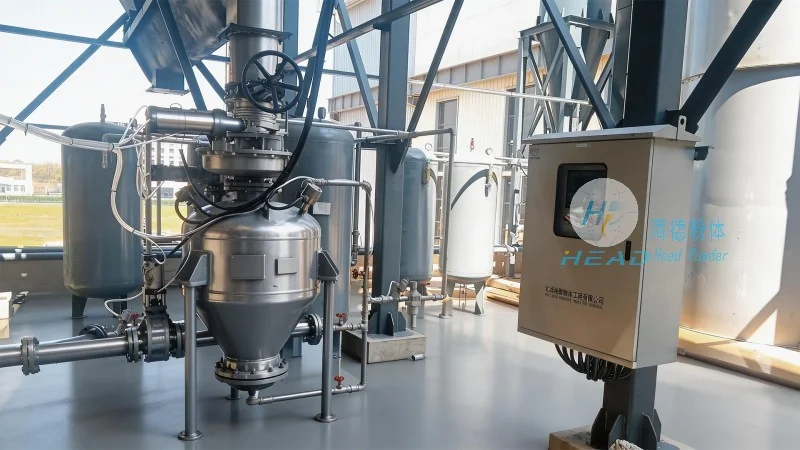
Compared to traditional methods like belt conveyors or bucket elevators, pneumatic conveying offers several advantages for calcium carbide slag transport. One of the primary benefits is the ability to handle abrasive materials without significant wear on the system components, as the air flow distributes the impact of particles evenly. This reduces maintenance costs and extends the operational life of the equipment. Another advantage is the compact design, which allows for the installation of the system in confined spaces, a common requirement in modern industrial facilities. The system also provides better control over material flow, enabling precise regulation of the transport rate to match production demands. Furthermore, pneumatic conveying is more hygienic and less prone to contamination, which is crucial when handling materials that may have residual chemicals or moisture. The environmental benefits are also significant, as the system can be equipped with dust collection and filtration systems to minimize air pollution, aligning with sustainability goals. These technical advantages make pneumatic conveying lines an efficient and cost-effective solution for the transport of calcium carbide slag in various industrial applications.
About Shandong HeadPowder Engineering Co., Ltd.
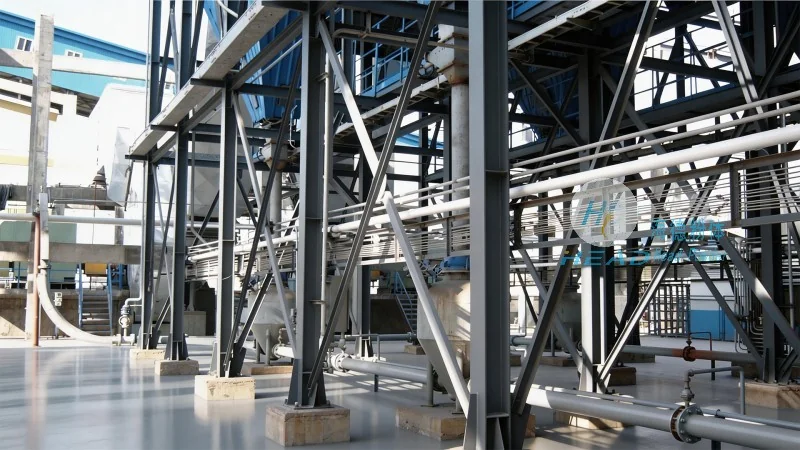
Shandong HeadPowder Engineering Co., Ltd., commonly known as headpowder, is a specialized engineering company based in Shandong, China. With years of experience in the design, manufacturing, and installation of pneumatic conveying systems, the company has established itself as a leading provider in the field. Headpowder focuses on delivering customized solutions tailored to the specific needs of clients, ensuring that each system is optimized for the handling of calcium carbide slag and other abrasive materials. The company’s team of engineers and technicians brings extensive knowledge and expertise to every project, from initial consultation and system design to on-site installation and commissioning. Headpowder’s commitment to quality and customer satisfaction is reflected in its adherence to international standards and rigorous testing protocols for all products. Based in Shandong, the company leverages its regional advantages in industrial manufacturing and engineering to provide reliable and efficient solutions for clients across the country and beyond.