

Principle and Working Scene Characteristics of Beer Brewery Pellet Pneumatic Conveying Lines
Beer brewery operations generate significant amounts of pellet waste, commonly known as spent grain or brewery pellets. Efficient and hygienic handling of this waste is crucial for maintaining operational efficiency and environmental compliance. Pneumatic conveying systems offer a reliable solution for transporting these materials, and the design of such systems for beer brewery applications requires careful consideration of material properties, process requirements, and operational environments.
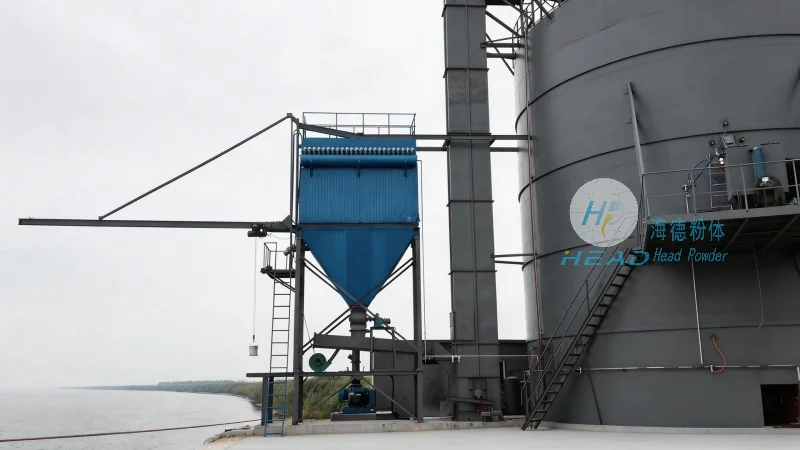
Principle of Pneumatic Conveying for Brewery Pellets
The core principle of pneumatic conveying involves the use of air to transport bulk materials through a pipeline. In the context of beer brewery pellet waste, this technology typically employs positive pressure or negative pressure systems. Positive pressure systems generate air flow that pushes the material through the line, while negative pressure systems draw the material into the line using suction. For brewery pellets, which are often moist and have a relatively high density, positive pressure systems are commonly preferred due to their ability to handle abrasive and sticky materials effectively. The system typically consists of a hopper for material storage, a feeder to control the flow rate, a conveying line, and a collection or processing unit. The air is introduced at a controlled velocity to ensure the material is fully suspended and transported without blockages or degradation.
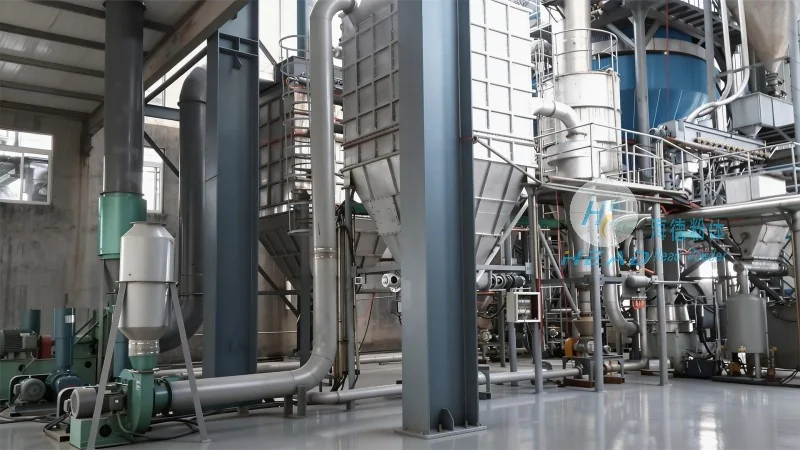
Working Scene Characteristics of Beer Brewery Pneumatic Conveying Lines
The working scene characteristics of these systems are tailored to the specific demands of brewery environments. These systems are designed to operate in clean, hygienic conditions, often in close proximity to brewing equipment. The equipment must be constructed from materials that are resistant to corrosion and easy to clean, such as stainless steel, to meet sanitary standards. The conveying lines are typically enclosed to prevent dust and odors from escaping into the brewery environment, ensuring compliance with occupational health and safety regulations. Additionally, the systems are engineered to handle varying flow rates and material consistency, as the composition of brewery pellets can change based on the type of beer produced and the brewing process. This adaptability is crucial for maintaining consistent performance across different production cycles.
Key Features and Benefits for Brewery Operations
Implementing a pneumatic conveying line for beer brewery pellet waste offers several key benefits. Firstly, it enhances operational efficiency by automating the material handling process, reducing the need for manual labor and minimizing the risk of material spillage or contamination. Secondly, it improves hygiene and sanitation by containing the material within a closed system, preventing cross-contamination with other products or the environment. Thirdly, it provides flexibility in material transport, allowing for the integration of multiple processing steps, such as drying, compaction, or packaging, directly from the conveying line. The system also contributes to cost savings by reducing energy consumption compared to traditional methods like truck transport or manual handling. Furthermore, the enclosed design helps in controlling odors and dust, creating a more pleasant working environment for staff.
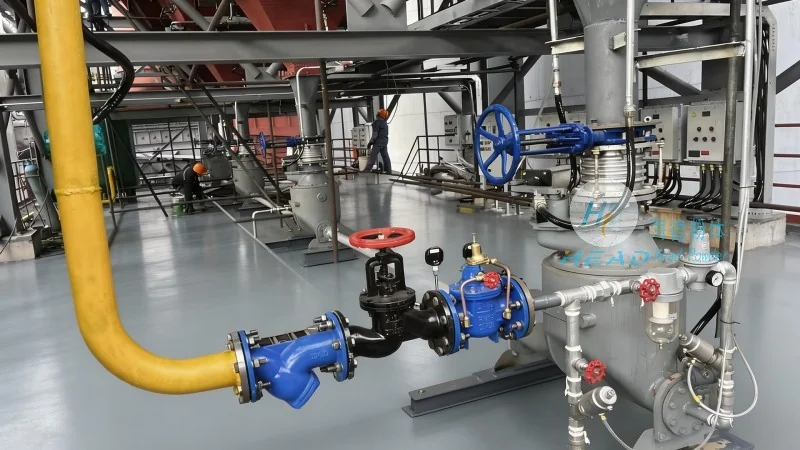
About Shandong HeadPowder Engineering Co., Ltd.
Shandong HeadPowder Engineering Co., Ltd., based in Shandong, China, specializes in the design, manufacturing, and installation of advanced pneumatic conveying systems for various industrial applications, including the food and beverage sector. With a focus on innovation and customer-centric solutions, the company leverages years of experience to develop customized systems that meet the unique requirements of breweries. Their expertise in material handling technology ensures that the systems are not only efficient but also durable and easy to maintain, providing long-term value to clients. The company adheres to international quality standards and employs rigorous testing protocols to ensure the reliability and performance of their equipment.