

Principle and Working Scene Characteristics of Phenolic Powder Pneumatic Conveying Machine
Phenolic powder, also known as Bakelite powder, is a widely used thermosetting plastic material in various industrial applications. The pneumatic conveying machine designed for handling this material plays a crucial role in material transport and processing. This article will explore the working principles and typical application scenarios of such equipment, providing insights into its operational efficiency and suitability for different industrial environments.
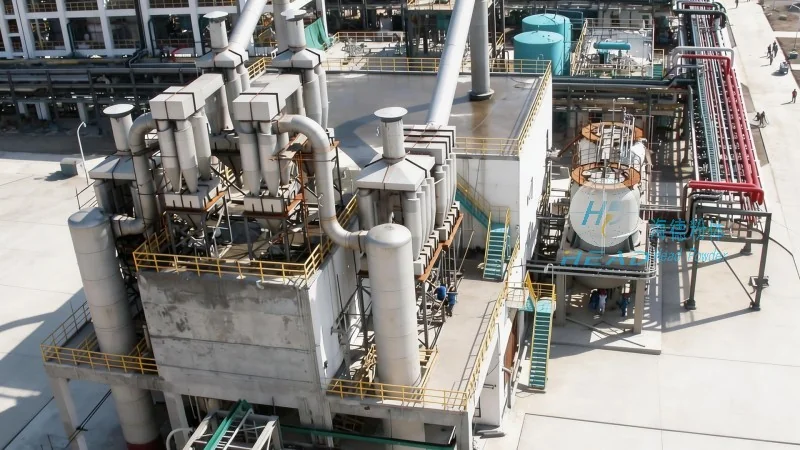
Introduction to Phenolic Powder Pneumatic Conveying Systems
Phenolic powder pneumatic conveying machines are specialized equipment used to transport dry powders, particularly phenolic powder, through a pressurized or vacuum air stream. These systems are essential in industries where phenolic powder is processed, such as in the manufacturing of composites, coatings, and electrical components. The primary goal of these machines is to efficiently move the powder from a storage or processing point to a destination, minimizing material loss and ensuring consistent flow rates.
Working Principle of Pneumatic Conveying for Phenolic Powder
The core principle of pneumatic conveying involves using air to transport solid particles. In the case of phenolic powder, the system typically operates under positive pressure or negative pressure, depending on the specific application and layout. Positive pressure systems use a blower to force air through the conveying line, carrying the powder particles along. Negative pressure systems, on the other hand, use a vacuum to draw the powder into the system. The choice between these methods depends on factors like the distance to be covered, the volume of material to be transported, and the need to control dust emissions.
Key components of a phenolic powder pneumatic conveying system include a hopper for material storage, a feeder to control the flow rate, a conveying line (often made of stainless steel or other corrosion-resistant materials to handle the powder's properties), and a receiver or discharge point where the powder is deposited. The system may also include filters and cyclones to separate the powder from the air stream, ensuring that the material is delivered without contamination and that the air is cleaned before release.
Key Features and Advantages of Phenolic Powder Pneumatic Conveying Machines
Phenolic powder pneumatic conveying machines offer several advantages over traditional mechanical conveying methods. One of the main benefits is the ability to handle fine powders without the need for moving parts that could cause clogging or wear. The air-based transport minimizes the risk of material degradation and ensures a consistent flow, which is critical for maintaining product quality. Additionally, these systems can operate in enclosed environments, reducing dust pollution and improving workplace safety.
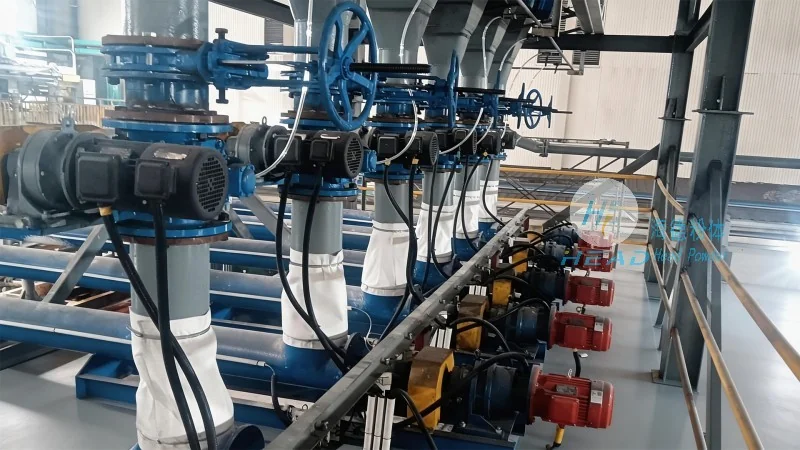
Another advantage is the flexibility in system design. Pneumatic conveying systems can be configured to handle varying material volumes and distances, making them suitable for both small-scale and large-scale industrial operations. The equipment can be integrated with other processing machinery, such as mixers or extruders, to create a seamless production line. This integration enhances overall operational efficiency and reduces downtime.
Working Scene Characteristics and Application Scenarios
The working scene characteristics of phenolic powder pneumatic conveying machines are tailored to the specific needs of different industrial environments. For example, in the production of phenolic resin composites, the machine may be used to transport the powder from a storage silo to a mixing or molding station. The system's ability to handle fine particles ensures that the resin is evenly distributed, leading to higher-quality end products.
In the electrical and electronics industry, phenolic powder is used in the manufacturing of insulating components. The pneumatic conveying machine can efficiently transport the powder to a molding machine, where it is combined with other materials to create parts like circuit boards or insulators. The precision and consistency of the conveying process are crucial here, as any variation in powder flow can affect the final product's performance and reliability.
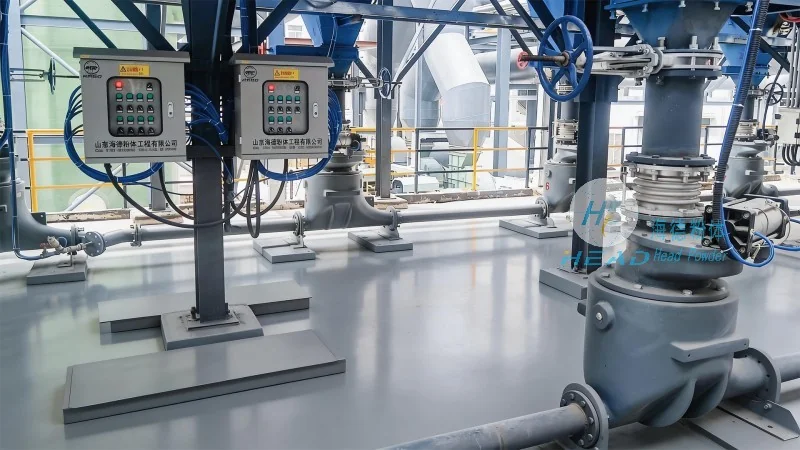
In the coatings industry, phenolic powder is used as a raw material for paint and varnish formulations. The pneumatic conveying system can deliver the powder to a mixing tank, where it is blended with other components to create the final coating product. The system's ability to maintain a consistent powder flow ensures that the coating has uniform properties, which is essential for meeting quality standards.
Company Profile: Shandong HeadPowder Engineering Co., Ltd.
Shandong HeadPowder Engineering Co., Ltd., a leading manufacturer in the field of powder handling equipment, specializes in designing and producing high-quality phenolic powder pneumatic conveying machines. With years of experience and a commitment to innovation, the company has developed advanced systems that meet the diverse needs of industrial clients. HeadPowder's products are known for their reliability, efficiency, and durability, making them a trusted choice for businesses operating in the phenolic powder industry.
The company's facilities are located in Shandong, China, where it leverages local manufacturing expertise and resources to produce equipment that adheres to international standards. HeadPowder's team of engineers and technicians work closely with clients to understand their specific requirements and provide customized solutions. This approach ensures that the delivered systems are optimized for performance and cost-effectiveness, delivering long-term value to the end-user.
HeadPowder's commitment to quality is reflected in its rigorous testing and quality control processes. Each pneumatic conveying machine undergoes comprehensive testing to ensure it meets the required specifications before delivery. The company also provides after-sales support, including maintenance services and technical assistance, to ensure that the equipment operates at peak performance throughout its service life.