

Principle and Working Scene Characteristics of Dry Soybean Pneumatic Conveying Machines
Understanding the operation and application of dry soybean pneumatic conveying machines is crucial for optimizing material handling in agricultural processing facilities. This article explores the fundamental principles behind these systems and highlights key working scene characteristics that make them ideal for transporting dry soybeans efficiently and reliably.
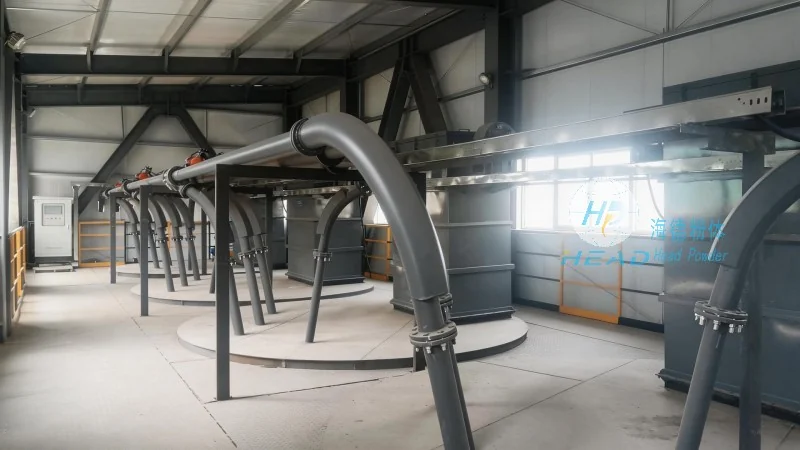
Principle of Dry Soybean Pneumatic Conveying Machines
Dry soybean pneumatic conveying machines operate on the principle of air pressure to transport bulk materials like dry soybeans. The system typically consists of a hopper, a blower or air compressor, a pipeline network, and a discharge outlet. As dry soybeans are fed into the hopper, the blower generates a high-velocity air stream that draws the soybeans into the pipeline. The air and soybeans are then mixed and transported through the pipeline to the discharge point. This process eliminates the need for mechanical components such as belts or buckets, reducing maintenance requirements and increasing operational efficiency.
Working Scene Characteristics of Dry Soybean Pneumatic Conveying Machines
The working scene characteristics of dry soybean pneumatic conveying machines are tailored to the specific demands of soybean processing environments. These systems are commonly used in industrial settings where large volumes of dry soybeans need to be moved between processing stages, such as from storage silos to grinding or roasting equipment. The key characteristics include high throughput capacity, which allows for the rapid transfer of soybeans, and the ability to handle abrasive materials without significant wear on components. Additionally, the enclosed pipeline design minimizes dust emissions and improves workplace safety, making these machines suitable for indoor processing facilities.
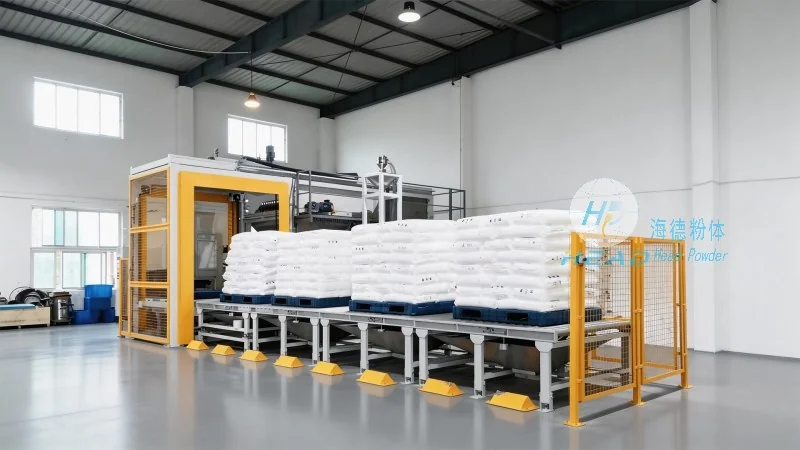
Application Scenarios in Soybean Processing
Dry soybean pneumatic conveying machines are widely employed in various stages of soybean processing. For instance, in soybean oil extraction plants, these systems efficiently transport raw soybeans from storage to the pretreatment and pressing stages. In soybean meal production facilities, they help move processed soybeans between grinding, drying, and packaging units. The flexibility of pneumatic conveying systems also allows for integration with other processing equipment, enabling seamless material flow within the production line. This integration is particularly beneficial in large-scale processing operations where continuous and uninterrupted material handling is essential for maintaining production efficiency.

Advantages in Industrial Material Handling
Compared to traditional mechanical conveying methods, dry soybean pneumatic conveying machines offer several advantages that enhance operational performance. The primary benefit is the reduction in mechanical wear and tear, as the system relies on air pressure rather than moving parts. This leads to lower maintenance costs and longer equipment lifespan. Another advantage is the ability to handle a wide range of particle sizes and moisture contents, making them versatile for different soybean varieties and processing conditions. Furthermore, the enclosed design of the pipeline helps maintain product quality by preventing contamination and moisture absorption, which is critical for preserving the nutritional value of soybeans during processing.
Company Background: Shandong HeadPowder Engineering Co., Ltd.
Shandong HeadPowder Engineering Co., Ltd., a leading manufacturer in the field of material handling equipment, specializes in designing and producing high-quality pneumatic conveying systems for agricultural and industrial applications. With a strong commitment to innovation and customer satisfaction, the company has established itself as a trusted partner for businesses requiring reliable and efficient material transport solutions. HeadPowder's products are engineered to meet the specific needs of industries such as food processing, where maintaining product integrity and operational efficiency is paramount. The company's headquarters is located in Shandong, China, where it leverages advanced manufacturing techniques and extensive industry experience to deliver superior equipment to global markets.