

Principle and Working Scene Characteristics of Lightweight Cement Pneumatic Conveying Equipment
Lightweight cement pneumatic conveying equipment is a specialized industrial device designed for the efficient and reliable transportation of lightweight cement and similar powders. This equipment plays a crucial role in modern construction and material handling processes, offering a solution to the challenges of handling fine, low-density materials with precision and minimal loss. The technology behind such systems combines principles of fluidization, air dynamics, and mechanical engineering to achieve seamless material transfer from source to destination.
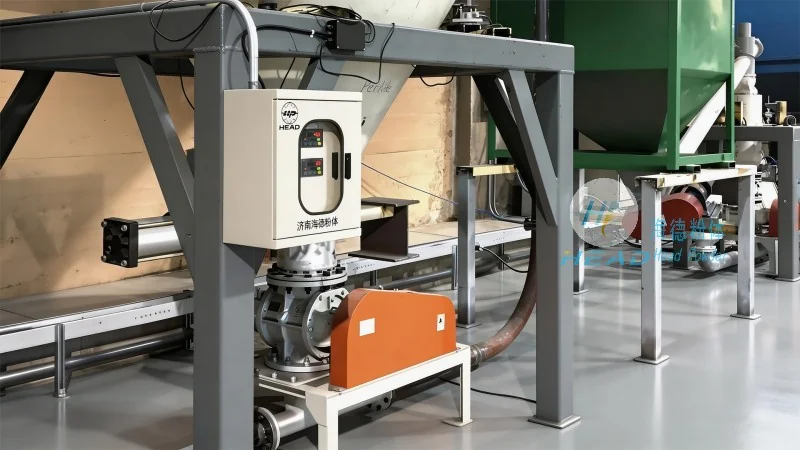
Working Principle of Lightweight Cement Pneumatic Conveying Equipment
The core mechanism of lightweight cement pneumatic conveying equipment revolves around the use of compressed air to create a fluidized state within the conveying line. As air is introduced into the hopper or feeding section, it lifts and suspends the lightweight cement particles, transforming them into a "fluid" that can be transported through pipelines. This process, known as pneumatic conveying, eliminates the need for mechanical components like belts or buckets that might cause material degradation or contamination. The system typically operates under negative pressure (suction) or positive pressure (blowing), depending on the application and layout of the conveying network. In negative pressure systems, air is drawn through the material, while positive pressure systems force air and material through the line. The design of the equipment, including the airlock feeders, cyclone separators, and filter bags, ensures that the material is conveyed efficiently while preventing dust emissions and maintaining product integrity.
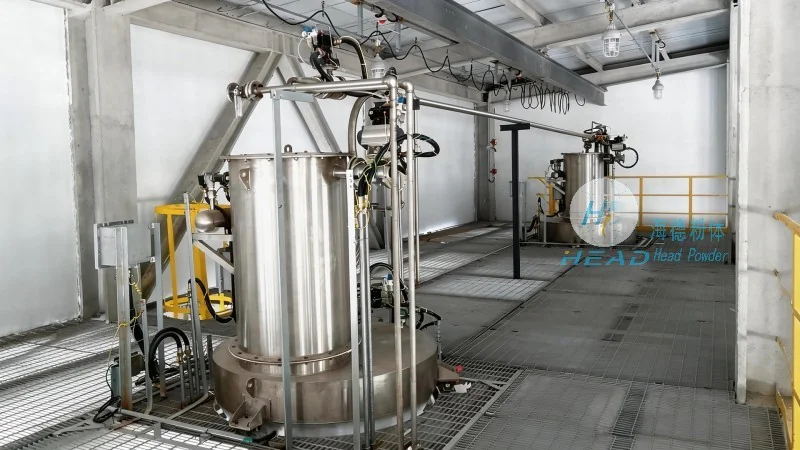
Key Working Scene Characteristics
Lightweight cement pneumatic conveying equipment is particularly suited for applications where traditional conveying methods are impractical or inefficient. These scenes include large-scale construction sites, industrial plants, and manufacturing facilities that require the continuous supply of lightweight cement for concrete production, mortar preparation, or other powder-based processes. The equipment's ability to handle low-density materials without clogging or degradation makes it ideal for environments where material purity and consistency are critical. For instance, in precast concrete factories, the system can transport lightweight cement from storage silos to mixing stations with minimal downtime, enhancing production throughput. Similarly, in building material distribution centers, the equipment ensures that lightweight cement is delivered to job sites in a controlled manner, reducing labor costs and material waste. The flexibility of the system also allows for integration with existing infrastructure, adapting to various plant layouts and operational requirements.
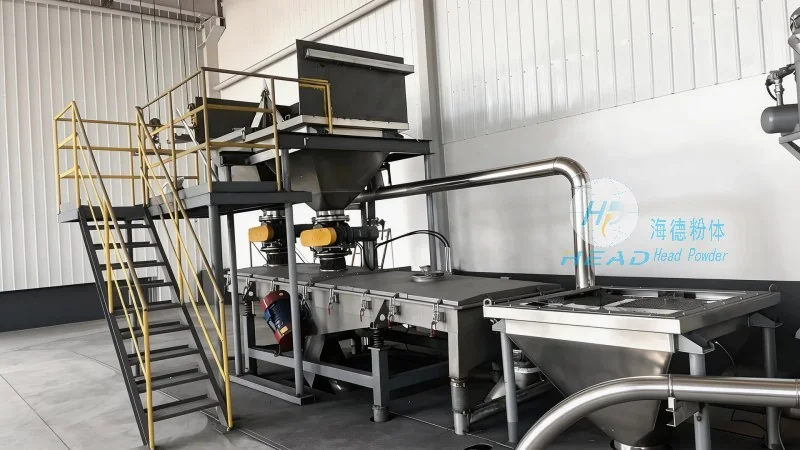
Company Profile: Shandong HeadPowder Engineering Co., Ltd.
Shandong HeadPowder Engineering Co., Ltd., commonly known as HeadPowder, is a leading manufacturer specializing in the design, development, and production of advanced pneumatic conveying systems. With a strong focus on innovation and customer-centric solutions, HeadPowder has established itself as a trusted partner in the construction and material handling industry. The company's headquarters is located in Shandong, China, where it leverages local expertise and resources to deliver high-quality equipment tailored to global market needs. HeadPowder's product portfolio includes a range of lightweight cement pneumatic conveying equipment, each engineered to meet stringent industry standards for efficiency, durability, and environmental compliance. The company's commitment to research and development ensures that its solutions remain at the forefront of technological advancements, providing clients with reliable and cost-effective material handling solutions.

Technical Advantages and Application Benefits
Lightweight cement pneumatic conveying equipment offers several technical advantages that make it superior to traditional conveying methods. One of the primary benefits is the elimination of mechanical wear and tear, as the system relies on air flow rather than moving parts to transport materials. This reduces maintenance costs and extends the operational life of the equipment. Additionally, the system provides excellent control over material flow, allowing for precise dosing and batching, which is essential in applications like concrete mixing and mortar production. The equipment also minimizes material degradation, as the fluidized state prevents agglomeration and ensures that the lightweight cement retains its original properties. From an operational perspective, the system enhances safety by reducing dust exposure and improving workplace conditions. The compact design of the equipment makes it suitable for installation in confined spaces, while the modular components allow for easy expansion or modification as production needs evolve. Overall, the adoption of lightweight cement pneumatic conveying equipment leads to increased productivity, reduced operational costs, and improved product quality in various industrial applications.