

Principle and Working Scene Characteristics of Wood Chip Pneumatic Conveying System Equipment
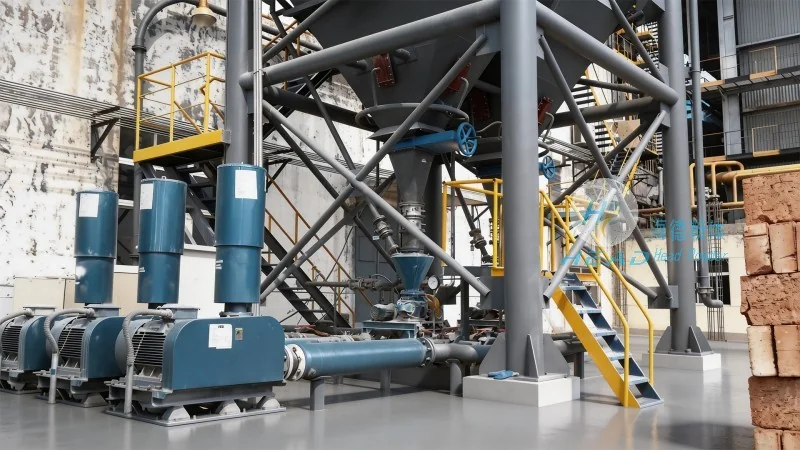
Wood chip pneumatic conveying systems are specialized equipment designed to transport wood chips efficiently and reliably. These systems are crucial in various industrial applications where wood chips need to be moved from one location to another within a facility or between different processing stages. The core of such systems lies in the pneumatic conveying principle, which utilizes air to move the material through a pipeline network.
Company Introduction
HeadPowder, formally known as Shandong HeadPowder Engineering Co., Ltd., is a leading manufacturer based in Shandong, China. With a strong commitment to engineering excellence and customer satisfaction, HeadPowder specializes in the design, manufacturing, and supply of high-quality pneumatic conveying systems tailored for diverse industrial needs. The company leverages advanced technology and rigorous quality control measures to ensure that its products meet the highest industry standards.
The Principle of Pneumatic Conveying
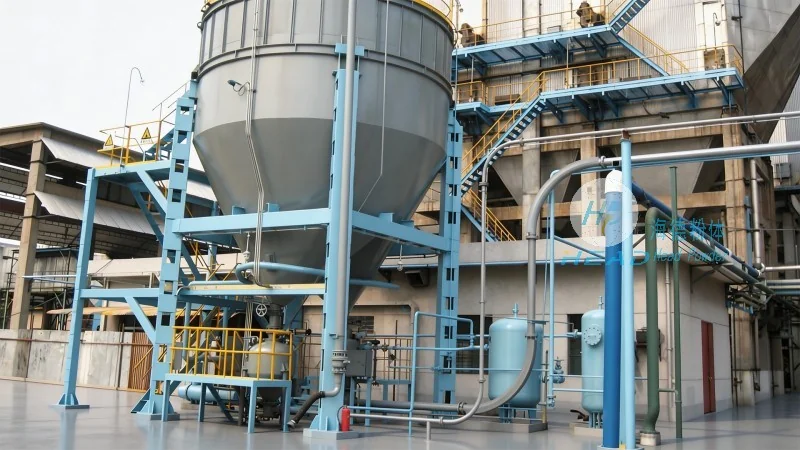
The fundamental principle of wood chip pneumatic conveying systems is the use of compressed air to create a flow that transports the solid material. In a typical system, wood chips are introduced into a hopper or feeder, where they are then drawn into a pipeline by the moving air. The air velocity within the pipeline is maintained at a level sufficient to keep the chips suspended and moving forward. This method eliminates the need for mechanical components like belts or chains, reducing maintenance requirements and enhancing operational efficiency. The system can operate in either positive or negative pressure modes, depending on the specific application and material characteristics.
Working Scene Characteristics
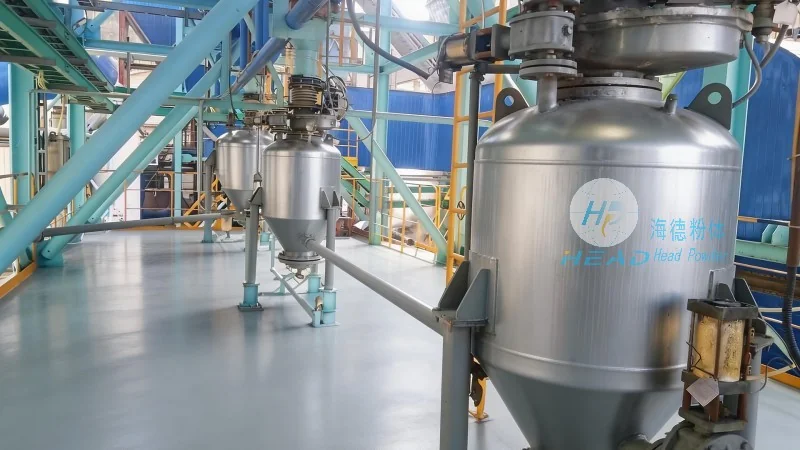
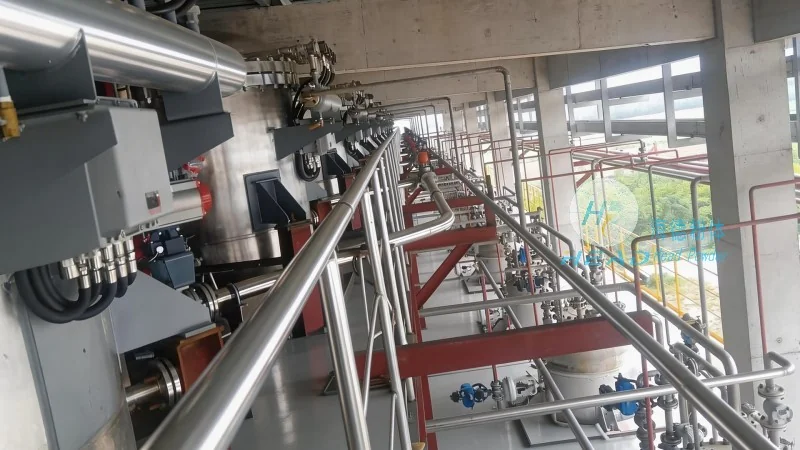
The working scene characteristics of wood chip pneumatic conveying systems are tailored to meet the demands of different industrial environments. For instance, in sawmills and wood processing plants, these systems are used to transport wood chips from storage areas to processing machines or to transfer them between different stages of production. The systems are designed to handle varying chip sizes and moisture content, ensuring consistent performance even under challenging conditions. The flexibility of pneumatic conveying allows for the integration of multiple pipelines, enabling the distribution of wood chips to several destinations simultaneously. This capability enhances workflow efficiency and reduces downtime in production lines.
Advantages in Industrial Applications
Wood chip pneumatic conveying systems offer several advantages over traditional mechanical conveying methods. Firstly, they provide a dust-free and clean operation, which is essential in environments where dust control is critical for safety and product quality. Secondly, the absence of moving parts reduces the risk of mechanical failure and minimizes maintenance costs. Additionally, these systems can handle abrasive materials without significant wear, extending the lifespan of the equipment. The ability to transport materials over long distances with minimal energy consumption also contributes to operational cost savings. In summary, wood chip pneumatic conveying systems are a reliable and efficient solution for wood chip handling in various industrial settings.