

Principle and Working Scene Characteristics of Glass Microsphere Pneumatic Conveying System Equipmen
Glass microsphere pneumatic conveying systems represent a sophisticated solution for the efficient handling and transportation of lightweight, fine-grained materials. As a key component in modern industrial processes, these systems leverage the principles of pneumatic transport to move materials like glass microspheres with precision and reliability. This article delves into the fundamental principles underlying such systems and explores the distinct characteristics of their operational environments.
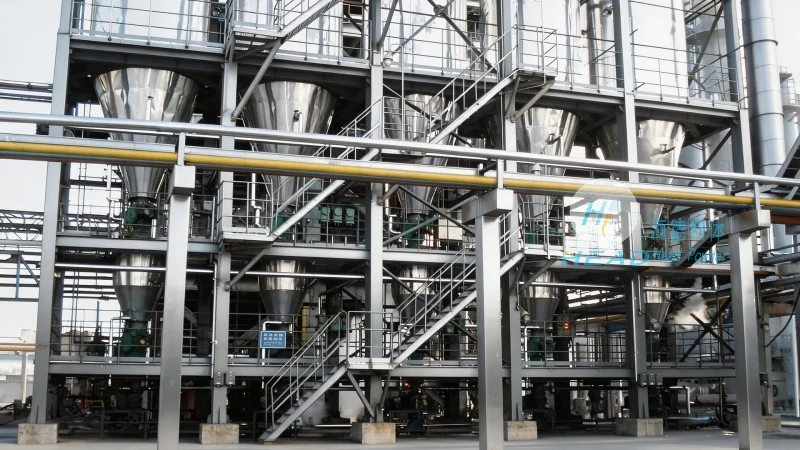
Core Principles of Pneumatic Conveying Systems
The operation of a glass microsphere pneumatic conveying system is based on the fundamental principle of using air or gas as the conveying medium to transport solid particles. In these systems, material is typically fed into a conveying line, where it is entrained by a high-velocity airflow. The air flow, generated by a blower or compressor, creates a pressure differential that propels the glass microspheres through the system. The design of the system, including the type of airlock, hopper, and pipeline, is critical to ensuring efficient and consistent transport. Key components include the feeding mechanism, which controls the flow of glass microspheres into the system, and the separation or collection equipment at the receiving end, which ensures the material is properly discharged. The system's performance is influenced by factors such as particle size, density, and moisture content of the glass microspheres, as well as the air pressure and flow rate.
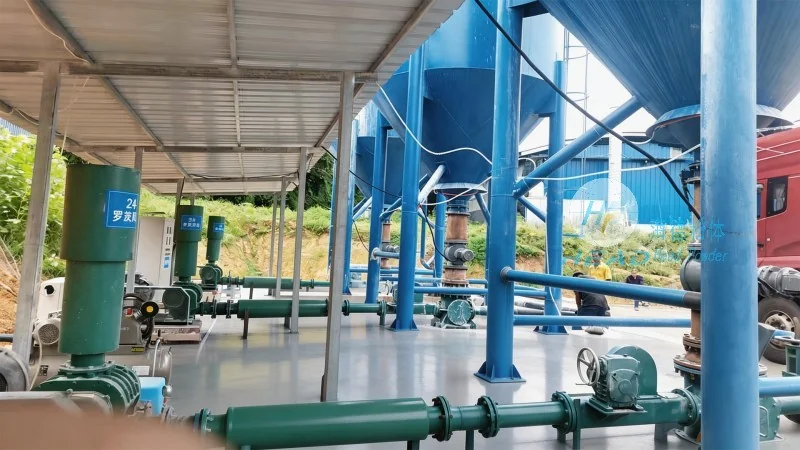
Working Scene Characteristics and Applications
Glass microsphere pneumatic conveying systems are widely utilized in various industrial settings, each with its own unique operational characteristics. These systems are commonly employed in the construction materials industry, where glass microspheres are used as lightweight aggregates in concrete and other building materials. The working environment in such applications often involves large-scale production lines, requiring high throughput and consistent material quality. The systems are also used in the chemical and pharmaceutical industries, where the precise handling of fine powders is essential for maintaining product purity and safety. In these scenarios, the operational environment may include stringent cleanliness standards and the need for dust control measures. Additionally, the systems find applications in the manufacturing of insulation materials and composite products, where the uniform distribution of glass microspheres is critical to the final product's performance.
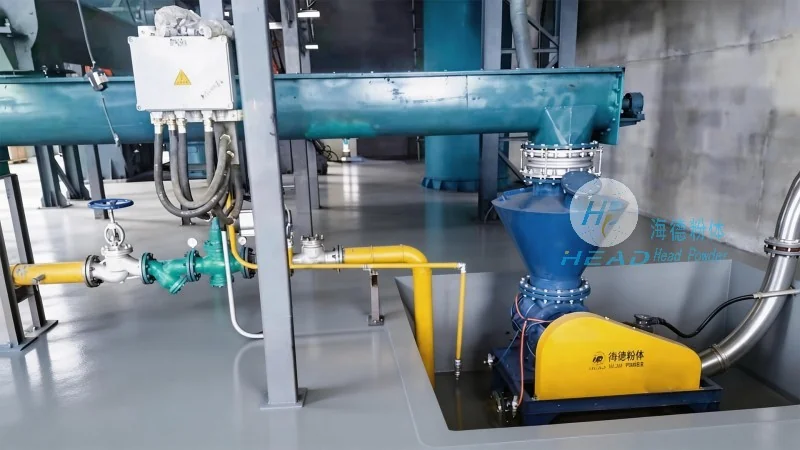
Advantages and Operational Efficiency
One of the primary advantages of glass microsphere pneumatic conveying systems is their ability to handle materials that are difficult to transport using traditional methods, such as those with high moisture content or abrasive properties. The systems offer a closed-loop operation, which minimizes dust emissions and environmental contamination, making them suitable for applications where air quality and safety are paramount. The flexibility of pneumatic conveying allows for easy integration into existing production lines, enabling seamless material transfer between different processing stages. Furthermore, the systems can be designed to accommodate varying material flow rates, providing adaptability to changing production demands. The use of glass microspheres in these systems also contributes to energy efficiency, as the lightweight particles require less air pressure to transport compared to heavier materials. This results in reduced energy consumption and operational costs over time.
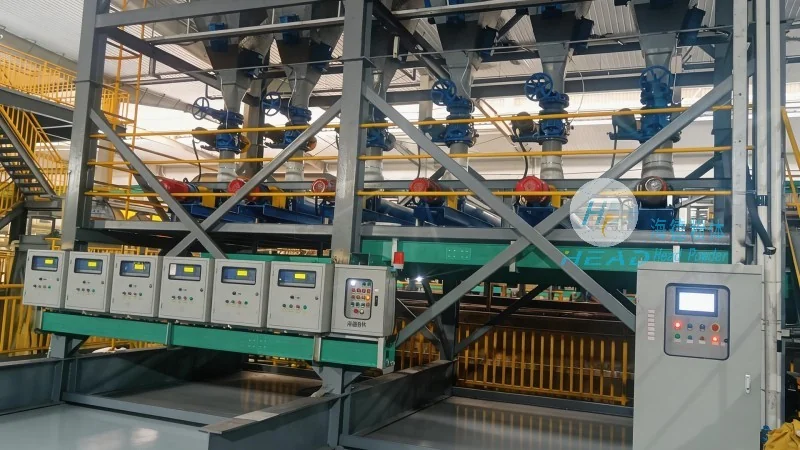
Company Background and Expertise
Shandong HeadPowder Engineering Co., Ltd., a leading provider of specialized engineering solutions, has extensive experience in designing and manufacturing glass microsphere pneumatic conveying systems. With a strong focus on innovation and customer-centric solutions, the company has developed advanced systems tailored to the specific needs of various industries. HeadPowder's expertise lies in optimizing system performance through precise engineering, ensuring that each component is designed to maximize efficiency and reliability. The company's facilities, located in Shandong, China, are equipped with state-of-the-art technology and skilled personnel, enabling the production of high-quality systems that meet international standards. By combining technical expertise with practical application knowledge, HeadPowder has established itself as a trusted partner for businesses seeking reliable and efficient material handling solutions.