

Principles and Working Scene Characteristics of Silicate Powder Conveying Systems
HeadPowder, a leading provider in the field of powder handling technology, specializes in the design, manufacturing, and integration of advanced silicate powder conveying systems. Based in Shandong, China, the company has established itself as a trusted partner for industries requiring efficient and reliable powder transport solutions. This article delves into the fundamental principles behind these systems and highlights the key characteristics of their operational environments.
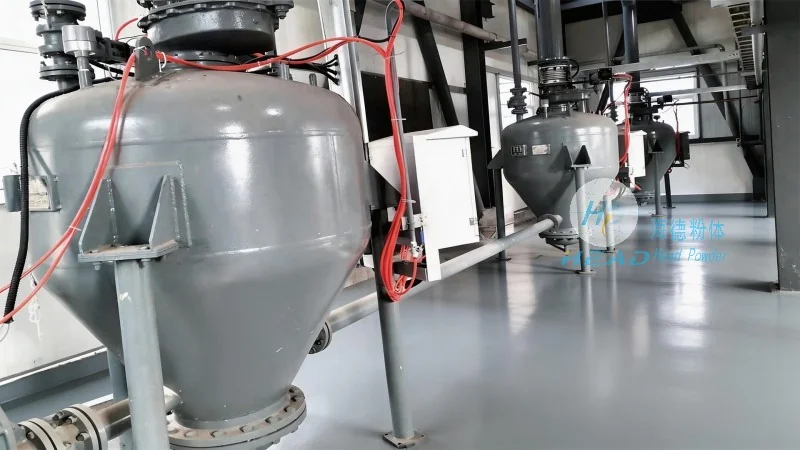
Understanding the Core Principles of Silicate Powder Conveying Systems
Silicate powder conveying systems are engineered to handle a wide range of powders, including those derived from silica, kaolin, and other mineral sources. The primary goal is to transport these materials safely and efficiently from one location to another within industrial settings. The systems typically incorporate components such as feeders, conveyors, and control mechanisms that work in tandem to ensure smooth material flow. Key principles include maintaining consistent material flow rates, preventing material degradation or caking, and ensuring minimal dust generation during transport. Advanced systems may also incorporate features like temperature control and moisture management to optimize the handling of sensitive silicate powders.
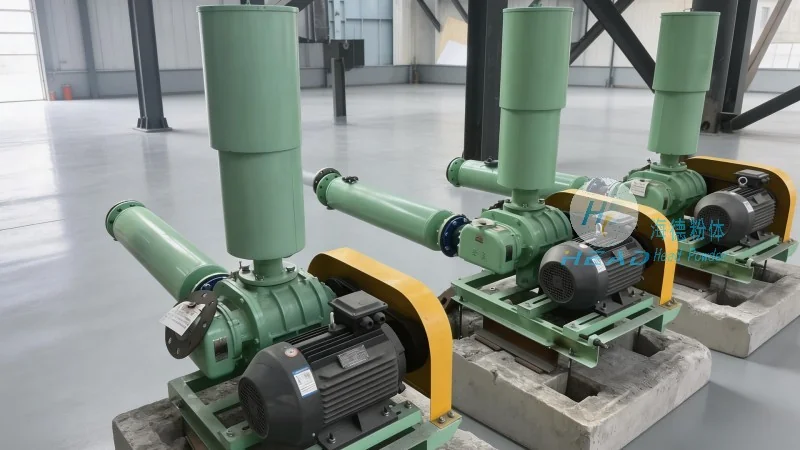
Key Working Scene Characteristics of Silicate Powder Conveying Systems
The operational environments for silicate powder conveying systems vary significantly based on the specific application and industry. For instance, in the ceramics and glass manufacturing sectors, these systems are often integrated into high-temperature production lines where the powders are used as raw materials for forming and melting processes. The working scenes in such environments are characterized by high temperatures, precise control over material consistency, and the need for dust-free operation to maintain product quality. In contrast, applications in the paper and chemical industries may involve the handling of finer silicate powders, requiring systems with higher precision in flow control and reduced risk of particle agglomeration. Another critical characteristic is the need for robust sealing and containment to prevent cross-contamination and environmental pollution, which is particularly important when dealing with powders that may be hazardous or have regulatory compliance requirements.
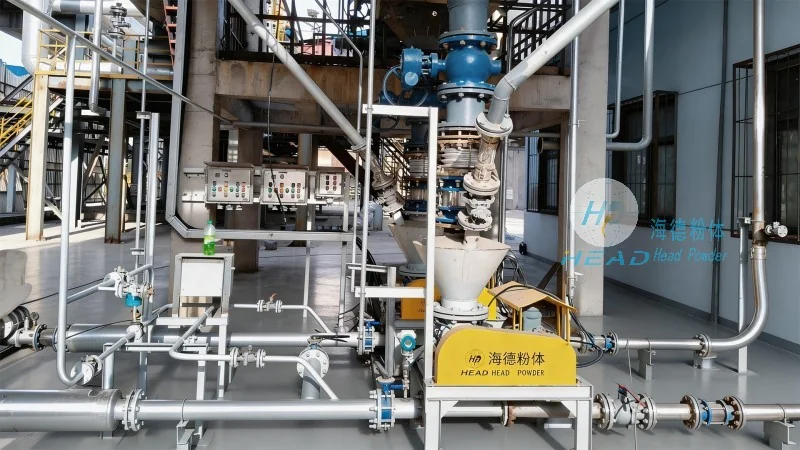
Application-Specific Design Considerations for Silicate Powder Conveying
The design of silicate powder conveying systems is tailored to meet the unique demands of each application. For example, in the production of refractory materials, the system must be capable of handling abrasive powders that can cause wear on components. This often involves the use of specialized materials for the conveyor belts or pipes, such as high-strength alloys or wear-resistant coatings. In the pharmaceutical or food processing industries, where hygiene is paramount, the systems are designed with fully enclosed and easy-to-clean components to prevent contamination. The control systems in these applications may also include real-time monitoring of flow rates and pressure, allowing for immediate adjustments to maintain optimal performance. Furthermore, the integration of sensors and automation technologies enables the systems to operate with minimal human intervention, enhancing both efficiency and safety in the working environment.
Ensuring Reliability and Efficiency in Silicate Powder Handling
Reliability and efficiency are paramount in silicate powder conveying systems, as any downtime or inefficiency can lead to significant production losses. To achieve this, manufacturers incorporate durable components that can withstand the rigors of continuous operation, including heavy-duty motors, robust drive systems, and wear-resistant parts. Regular maintenance and monitoring are also essential to ensure the system operates at peak performance. The working scenes often require systems that can adapt to varying material properties, such as changes in particle size or moisture content, without compromising the flow rate or quality of the transported powder. This adaptability is achieved through adjustable control parameters and modular design, allowing for easy modifications to accommodate different production needs.
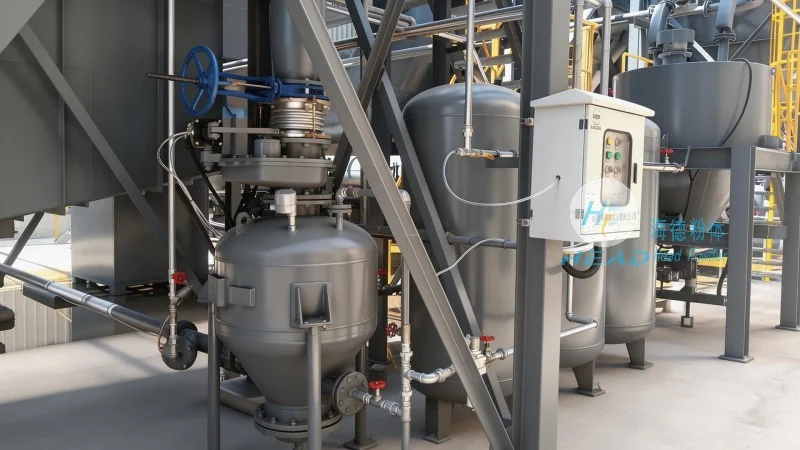
Conclusion: The Importance of Specialized Conveying Solutions for Silicate Powders
In conclusion, silicate powder conveying systems are critical components in industries that rely on the efficient transport of mineral-based powders. The principles underlying these systems focus on safety, efficiency, and material integrity, while the working scene characteristics dictate the specific design and operational requirements. By understanding these principles and characteristics, industries can select and implement the most suitable conveying solutions to meet their production goals. HeadPowder, with its expertise in powder handling technology, continues to provide innovative solutions that address the evolving needs of the silicate powder industry, ensuring reliable and effective material transport in diverse operational environments.