

What Are the Methods of Dry Ash Conveying?
When it comes to transporting dry ash from power plants or industrial facilities, several methods are commonly employed to ensure efficient and reliable material handling. These methods vary based on factors such as the ash's characteristics, the distance to be covered, and the specific requirements of the end-user. Understanding the different approaches helps in selecting the most suitable solution for a given application.
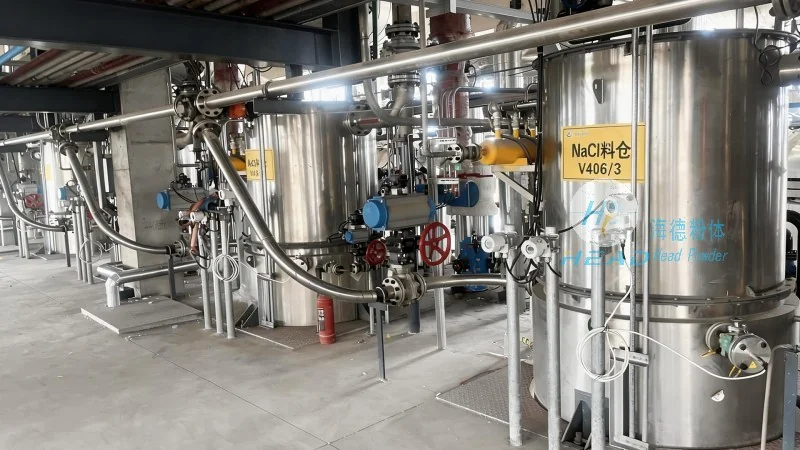
1. Pneumatic Conveying Systems
Pneumatic conveying is a widely used method for dry ash transport, especially for long-distance or high-volume applications. This technique involves transporting dry ash particles through a pipeline using compressed air or a vacuum. There are two main types of pneumatic systems: pressure and vacuum. Pressure systems use positive pressure to push the ash through the pipeline, while vacuum systems use negative pressure to draw the material. The choice between these depends on the distance, the amount of material to be moved, and the need for dust control. Pneumatic conveying offers advantages like low maintenance, the ability to handle fine particles, and the flexibility to route the pipeline around obstacles. However, it may require higher energy input and careful design to prevent material buildup or blockages.
2. Mechanical Conveying Systems
Mechanical conveying methods are another common approach for dry ash transport. These systems use mechanical components like belts, buckets, or screw conveyors to move the ash. Belt conveyors are often used for horizontal or slightly inclined transport over short to medium distances. They are simple in design and can handle large volumes of material. Bucket elevators are suitable for vertical or steep incline transport, lifting the ash from lower to higher levels. Screw conveyors are ideal for handling bulk dry ash in confined spaces, as they can be installed in a straight line or with bends. Mechanical conveyors are generally more cost-effective for shorter distances and lower volumes compared to pneumatic systems. They also provide better control over the material flow and are less energy-intensive. However, they may not be as effective for transporting fine or abrasive ash particles and can be limited by the need for regular maintenance and potential wear on components.
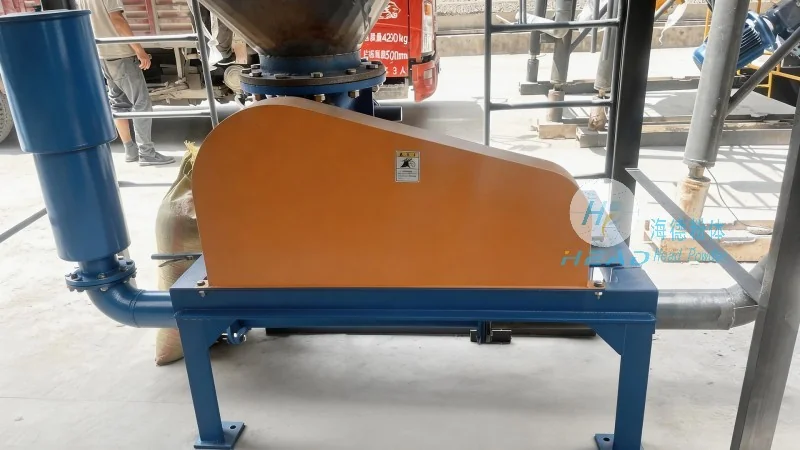
3. Hydraulic Conveying Systems
Hydraulic conveying systems use water to transport dry ash particles. The ash is mixed with water to form a slurry, which is then pumped through a pipeline. This method is particularly useful for transporting ash over long distances or in areas with strict environmental regulations, as it helps in controlling dust emissions. Hydraulic systems are effective for handling large volumes of ash and can be integrated with other processes like ash dewatering. However, they require additional equipment for slurry preparation and disposal, and the water content may need to be managed to prevent clogging or corrosion in the pipelines. The cost of water and energy for pumping also needs to be considered when evaluating hydraulic conveying.
4. Combination Systems
In some cases, a combination of the above methods may be used to optimize dry ash transport. For example, a pneumatic system might be used for the initial transport from the source to a central location, followed by a mechanical conveyor for the final delivery to the storage or disposal site. This hybrid approach can leverage the strengths of each method, such as the efficiency of pneumatic transport and the cost-effectiveness of mechanical systems. The selection of a combination system depends on the specific site layout, the distance to be covered, and the overall operational requirements.
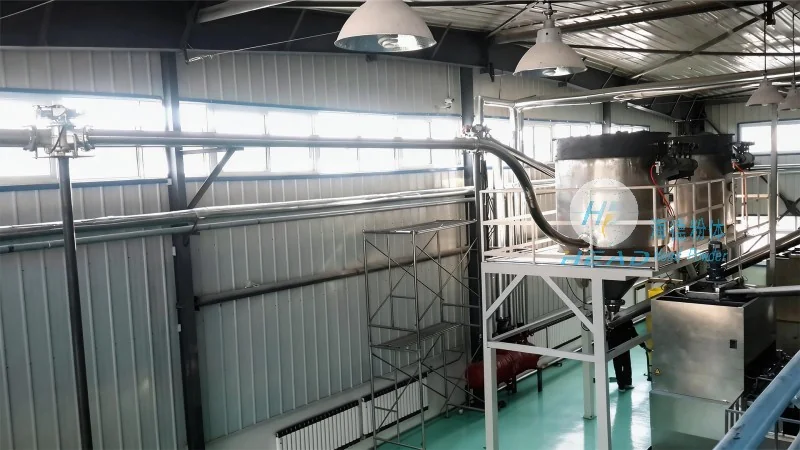
Key Considerations for Choosing a Dry Ash Conveying Method
When selecting a dry ash conveying method, several factors need to be considered to ensure optimal performance and cost-effectiveness. The first is the ash's physical properties, including particle size, moisture content, and abrasiveness. These characteristics can affect the choice of equipment and the design of the conveying system. The second is the distance and layout of the transport route. Long distances may favor pneumatic or hydraulic systems, while shorter distances might be better suited for mechanical conveyors. The third is the environmental regulations and dust control requirements. Some methods, like hydraulic conveying, offer better dust control but may have higher operational costs. The fourth is the budget and maintenance considerations. Mechanical systems may have lower initial costs but higher maintenance expenses, while pneumatic systems may have higher initial costs but lower maintenance needs. Finally, the scalability and future expansion needs should also be considered when choosing a conveying method.
Conclusion
Dry ash conveying is a critical process in power plants and industrial facilities, and the choice of method significantly impacts operational efficiency and environmental compliance. By understanding the different options available—such as pneumatic, mechanical, hydraulic, or combination systems—and considering factors like ash properties, distance, and cost, facilities can select the most appropriate solution. Shandong HeadPowder Engineering Co., Ltd., a leading provider in this field, offers expertise and tailored solutions to meet the diverse needs of dry ash transport. With a focus on efficiency, reliability, and environmental responsibility, their systems help facilities optimize their ash handling processes and ensure compliance with industry standards.