

Principle and Application Scenarios of Loess Powder Transport Equipment
Loess, a fine-grained soil composed of silt particles, is widely used in construction, agriculture, and environmental projects. Efficient and reliable transport of loess powder is crucial for optimizing workflow and ensuring project success. This article explores the underlying principles of loess powder handling equipment and highlights the key characteristics of its operational scenarios, providing insights into how these systems enhance productivity and safety in various industrial applications.
Company Profile: Shandong HeadPowder Engineering Co., Ltd.
HeadPowder, a leading manufacturer in the field of powder handling technology, specializes in developing advanced solutions for transporting and processing fine materials like loess. With a strong commitment to innovation and quality, the company has established itself as a trusted partner for industries requiring efficient and safe powder transport systems. HeadPowder's products are designed to meet the unique challenges of handling loess, ensuring optimal performance and durability in demanding environments. The company's headquarters is located in Shandong, China, where it leverages local expertise and resources to deliver cutting-edge engineering solutions.
The Core Principle of Loess Powder Handling Systems
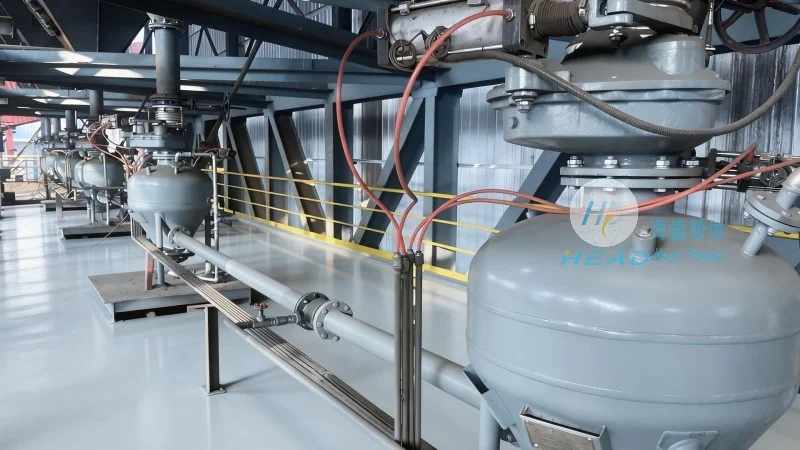
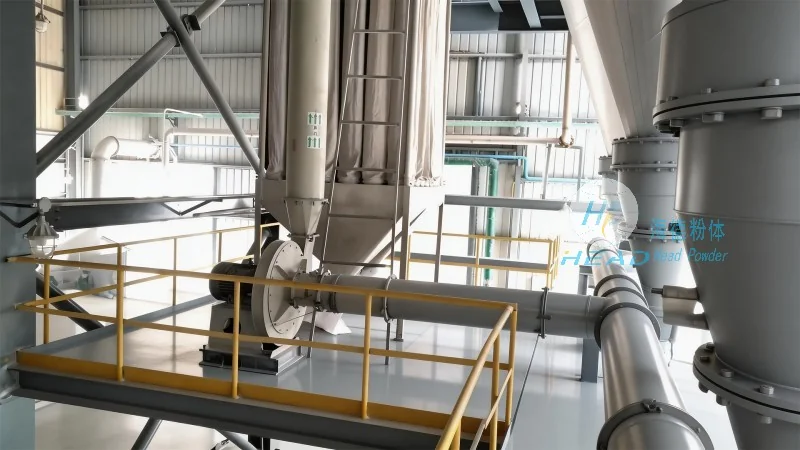
The core principle of loess powder transport equipment centers on the efficient movement of fine silt particles through mechanical or pneumatic means. These systems typically employ feeders, conveyors, and control mechanisms to regulate the flow of material. For loess, which is characterized by its fine particle size and tendency to generate dust, specialized designs are crucial to prevent blockages and maintain consistent flow rates. Mechanical systems, such as screw conveyors, use rotating screws to push material forward, while pneumatic systems utilize air pressure to carry particles through pipelines. Both approaches are adjustable to accommodate varying particle sizes, moisture content, and transport distances. The equipment also incorporates features like dust collection and filtration to minimize environmental impact and ensure worker safety.
Key Working Scene Characteristics and Applications
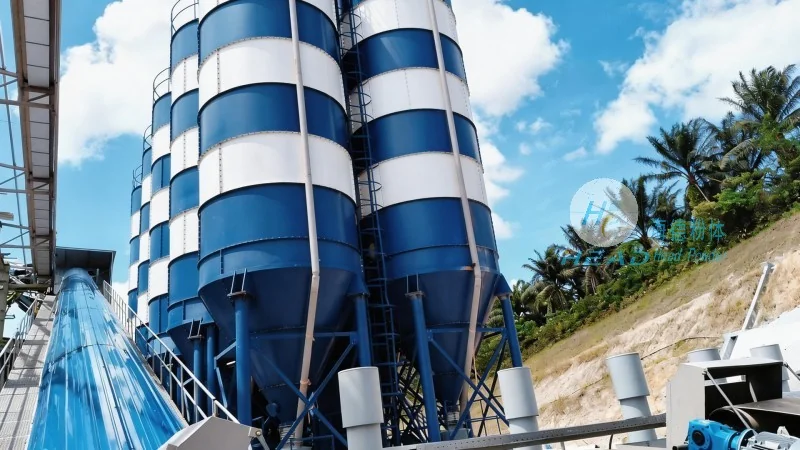
The operational scenarios for loess powder transport equipment are diverse, reflecting the wide range of industries that utilize this material. In the construction sector, these systems are commonly deployed to transport loess from storage facilities to building sites, where it is used as a key ingredient in concrete and mortar production. The equipment is designed to handle large volumes of material, often operating continuously to support high-demand construction projects. For example, in a large-scale residential development, a screw conveyor system may transport loess from a stockpile to a batching plant, ensuring a steady supply of material for concrete mixing. In agricultural applications, loess is used for soil improvement and irrigation, and the transport systems are adapted to work in outdoor environments, with weather-resistant enclosures and corrosion-resistant components. Farmers may use a pneumatic system to move loess from a storage silo to fields, optimizing soil structure and water retention. Environmental projects, such as loess reclamation and erosion control, also rely on these systems to move material over long distances with precision. In such cases, the equipment is often equipped with GPS tracking and adjustable pressure controls to ensure accurate placement of material, minimizing waste and maximizing project efficiency.
Technical Advantages and Practical Implementation
The technical advantages of loess powder transport equipment from Shandong HeadPowder Engineering Co., Ltd. include high efficiency, low maintenance costs, and enhanced safety features. The systems are engineered to minimize dust emissions, which is critical for compliance with environmental regulations and protecting worker health. Advanced control systems allow for real-time monitoring and adjustment of flow rates, ensuring consistent material delivery. The equipment is also designed for durability, with components made from corrosion-resistant materials to withstand the abrasive nature of loess. Practical implementation involves a thorough assessment of the project's specific requirements, including the distance of transport, material characteristics, and operational environment. HeadPowder provides customized solutions tailored to each client's needs, ensuring that the equipment is optimized for maximum performance and longevity. By integrating these advanced systems, industries can achieve significant improvements in productivity, reduce operational costs, and enhance overall project outcomes. For instance, a construction company using HeadPowder's equipment reported a 20% increase in material throughput and a 15% reduction in maintenance costs compared to traditional methods, highlighting the practical benefits of these advanced transport solutions.