

Principles and Working Scene Characteristics of Regenerated Sand Powder Conveying Equipment
Regenerated sand powder conveying equipment is a specialized system designed for the efficient transport of sand powders, particularly in industrial settings where recycled or regenerated sand is used. This equipment plays a crucial role in optimizing material handling processes, ensuring consistent flow, and maintaining the quality of the sand powder throughout the conveying operation.
Principles of Regenerated Sand Powder Conveying Equipment
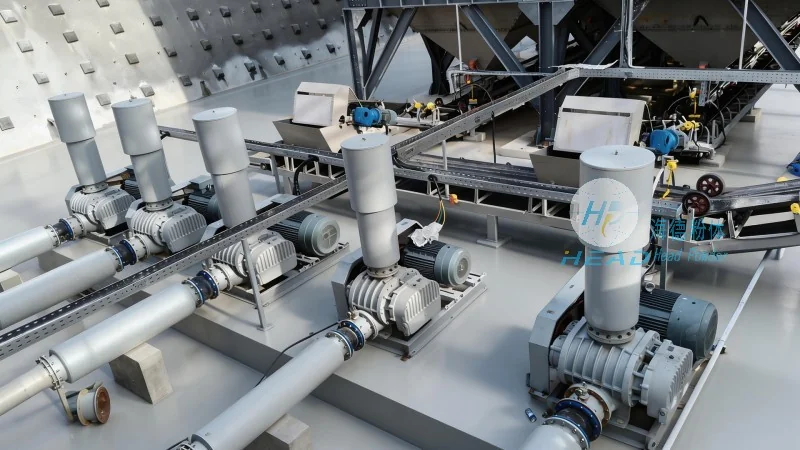
The core principle of regenerated sand powder conveying equipment lies in its ability to handle fine, abrasive materials like regenerated sand while minimizing wear and ensuring reliable operation. These systems typically employ advanced technologies such as positive displacement blowers, screw conveyors, or pneumatic conveying methods to move the sand powder from one location to another. The design of the equipment is tailored to address the unique challenges posed by regenerated sand, including its tendency to clump, its abrasive nature, and the need for precise control over flow rates.
Positive displacement blowers, for instance, are commonly used in pneumatic conveying systems. They generate a consistent airflow that propels the sand powder through a pipeline. This method is effective for long-distance conveying and can handle both dilute and dense phase flows. Screw conveyors, on the other hand, utilize rotating screws to push the sand powder forward, which is suitable for horizontal or slightly inclined applications where the material needs to be moved over short distances. The choice of conveying method depends on factors such as the distance between the source and destination, the volume of material to be transported, and the specific characteristics of the regenerated sand.
Working Scene Characteristics of Regenerated Sand Powder Conveying Equipment
The working scene characteristics of regenerated sand powder conveying equipment are closely tied to the industrial applications where it is employed. These systems are widely used in foundries, casting plants, and other manufacturing facilities that rely on recycled sand for their production processes. The equipment is designed to operate in environments where the sand powder may be contaminated with moisture or other residues, and it must be able to handle these conditions without compromising performance.
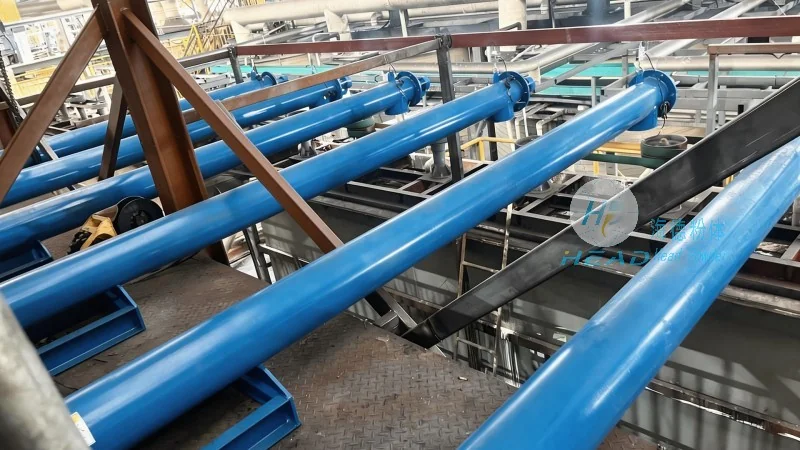
In foundries, for example, regenerated sand is used to create molds for casting metal parts. The conveying equipment must ensure that the sand powder is delivered to the molding machines in a uniform and consistent manner, which is critical for maintaining the quality of the final cast products. The equipment is also used in the recycling process itself, where sand is collected from used molds, cleaned, and then conveyed back to the molding line. This closed-loop system helps to reduce waste and lower production costs.
Another key working scene characteristic is the need for dust control and environmental compliance. Regenerated sand powder conveying systems often incorporate dust collection and filtration systems to prevent the release of fine particles into the air. This is essential for maintaining a safe working environment and complying with environmental regulations. The equipment is designed with features such as sealed conveying lines and efficient filtration to minimize dust emissions.
Key Features and Advantages of Regenerated Sand Powder Conveying Equipment
Regenerated sand powder conveying equipment offers several advantages that make it an attractive choice for industrial applications. One of the primary advantages is its ability to handle abrasive and fine materials without significant wear on the components. The materials used in the construction of the equipment, such as stainless steel or specialized alloys, are chosen to withstand the harsh conditions of sand powder transport. This results in longer equipment life and lower maintenance costs.
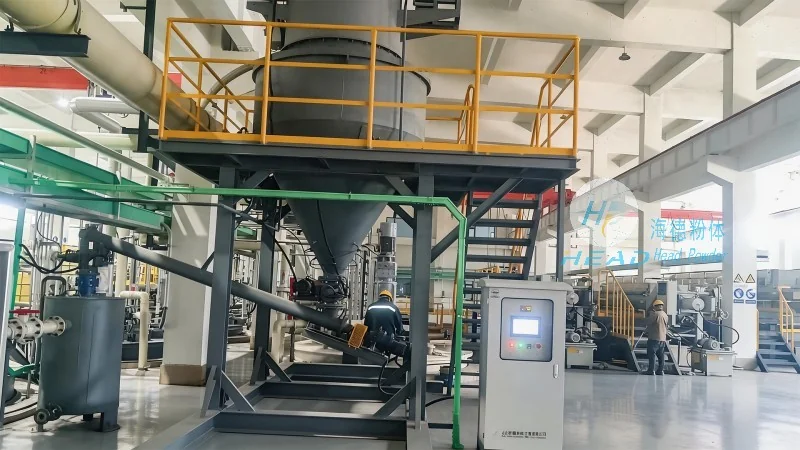
Another advantage is the precise control over flow rates that these systems provide. By adjusting the speed of the conveyor or the pressure of the air in a pneumatic system, operators can control the amount of sand powder being transported. This level of control is essential for maintaining consistent production rates and preventing overloading or underloading of the equipment. The equipment also allows for easy integration with other production systems, such as molding machines or sand reclamation units, enabling seamless material flow throughout the manufacturing process.
The working scene characteristics of regenerated sand powder conveying equipment also include its adaptability to different production scales. Whether it is a small-scale foundry or a large industrial plant, the equipment can be customized to meet the specific needs of the operation. This flexibility allows manufacturers to optimize their material handling processes and improve overall efficiency. Additionally, the equipment is designed to be easy to maintain and service, with accessible components and clear operational guidelines.
Conclusion
Regenerated sand powder conveying equipment is a vital component in modern industrial production, particularly in the foundry and casting industries. Its principles and working scene characteristics are tailored to the unique demands of handling regenerated sand, ensuring efficient and reliable material transport. By leveraging advanced technologies and robust design, these systems help to improve production efficiency, reduce costs, and maintain environmental compliance. As the demand for sustainable manufacturing practices grows, the importance of such equipment will continue to increase, making it a key investment for companies looking to optimize their material handling processes.