

What Are the Methods for Plastic Powder Conveying?
Plastic powder conveying is a critical process in various industrial applications, ensuring efficient material handling and processing. For companies like Shandong HeadPowder Engineering Co., Ltd., located in Shandong, China (HeadPowder), understanding and implementing the right conveying methods is essential to maintain productivity and product quality. This article explores the primary methods used for plastic powder transportation, highlighting the technical aspects and practical applications of each approach, with a focus on the solutions provided by HeadPowder.
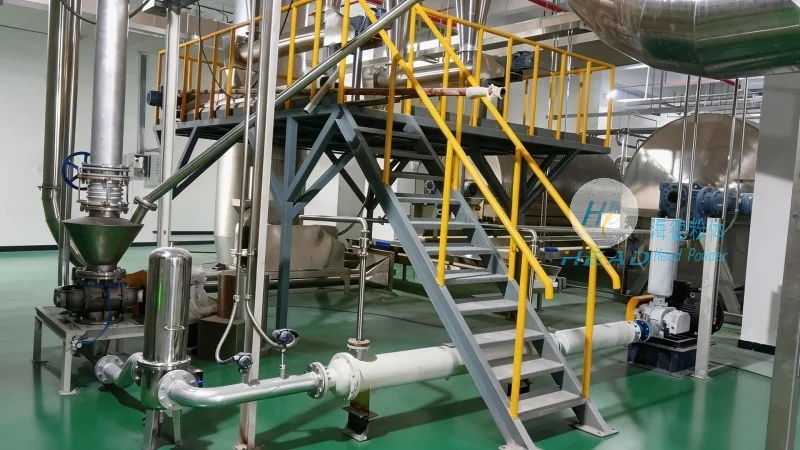
1. Screw Conveyors for Plastic Powder Handling
Screw conveyors, also known as auger conveyors, are widely used for plastic powder conveying due to their simplicity and effectiveness. These devices consist of a rotating screw (auger) inside a trough, which moves the material forward through the system. The design allows for both horizontal and inclined transport, making them versatile for different plant layouts. HeadPowder, a leading manufacturer in the field, offers high-quality screw conveyors engineered to handle various plastic powders, including polyethylene, polypropylene, and polystyrene. The company's screw conveyors are designed with durable materials, such as stainless steel or corrosion-resistant alloys, to withstand the abrasive nature of plastic powders and ensure long-term reliability. Key features include adjustable speed controls, which allow operators to optimize the conveying rate based on material characteristics and processing requirements. Additionally, the design minimizes product degradation by reducing friction and heat generation, preserving the quality of the plastic powder during transport.
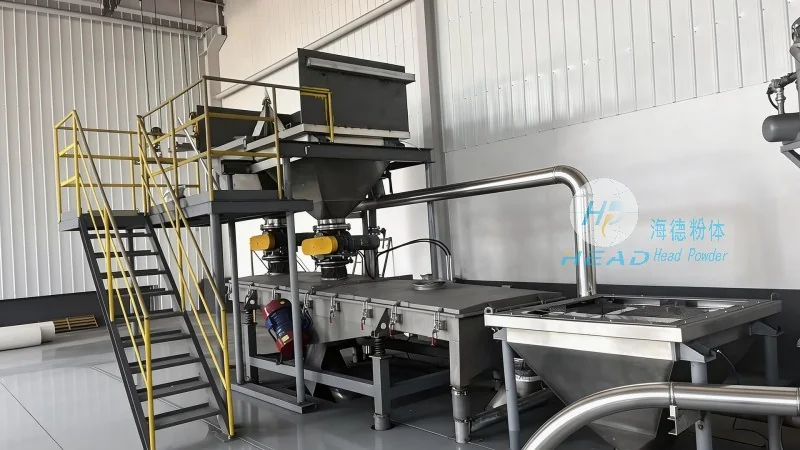
2. Pneumatic Conveying Systems
Pneumatic conveying systems use air or other gases to transport plastic powders through a pipeline network. This method is particularly effective for handling fine powders and materials that are sensitive to moisture or contamination. There are two main types of pneumatic conveying: pressure and vacuum systems. Pressure systems use compressed air to push the material through the line, while vacuum systems create a negative pressure to draw the material in. HeadPowder provides advanced pneumatic conveying solutions tailored to the specific needs of plastic powder applications. Their systems are equipped with high-efficiency filters and separators to prevent material buildup and maintain air quality. The company's pneumatic conveyors are designed with robust components, such as high-capacity blowers and flexible hoses, ensuring consistent performance even with varying material flow rates. One of the key advantages of pneumatic conveying is its ability to transport materials over long distances without the need for multiple transfer points, enhancing overall operational efficiency. Additionally, the system can be integrated with dust collection and filtration equipment, ensuring compliance with environmental regulations and maintaining a clean working environment.
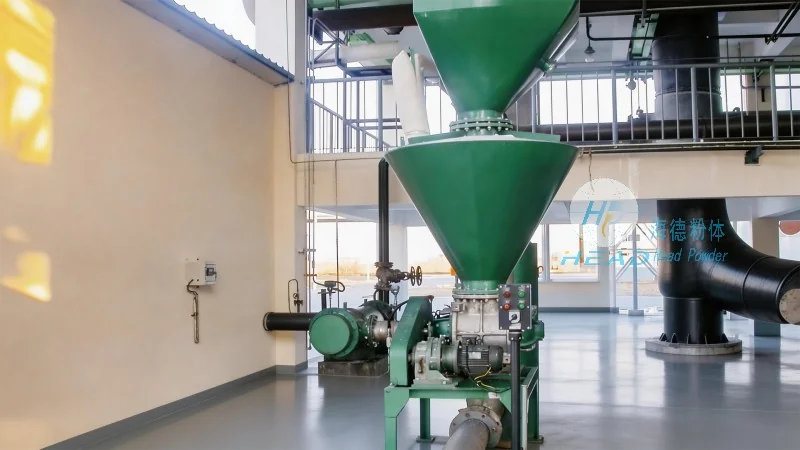
3. Vibratory Conveyors
Vibratory conveyors utilize vibrations to move plastic powders along a trough or conveyor belt. This method is ideal for handling materials that are sticky, lumpy, or have a high moisture content, as the vibrations help break up agglomerates and prevent material bridging. The system typically consists of a trough supported by springs or a vibrating motor, which causes the material to move forward through the conveyor. HeadPowder offers specialized vibratory conveyors designed for challenging plastic powder applications. These conveyors are equipped with adjustable vibration frequencies and amplitudes, allowing operators to customize the conveying process for different material types. The company's vibratory systems are constructed with wear-resistant materials, such as rubber or polyurethane, to minimize wear and extend the lifespan of the equipment. Key features include easy maintenance access points and self-cleaning mechanisms, which help maintain consistent performance over time. Vibratory conveyors are particularly effective for transporting materials that are prone to caking or sticking, ensuring smooth and continuous material flow. They are commonly used in applications such as polymer processing, where the material may have high moisture content or be prone to agglomeration.
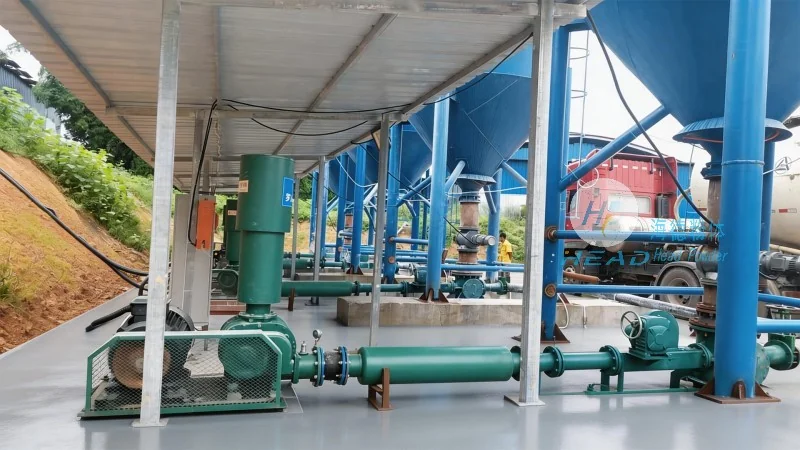
4. Belt Conveyors
Belt conveyors are another common method for plastic powder conveying, especially in applications requiring high throughput and long-distance transport. These systems use a continuous belt to move the material from one point to another, with the belt supported by rollers or idlers. The design allows for both horizontal and inclined transport, making them suitable for various industrial settings. HeadPowder manufactures high-capacity belt conveyors designed to handle large volumes of plastic powders efficiently. The company's belt conveyors are equipped with heavy-duty belts and robust frame structures to withstand the weight and abrasiveness of plastic powders. Key features include adjustable speed controls and variable tension systems, which allow operators to optimize the conveying rate and prevent material spillage. The design also includes safety features, such as emergency stop buttons and overload protection, ensuring safe operation in industrial environments. Belt conveyors are particularly effective for transporting bulk quantities of plastic powders, such as in storage and loading operations. They are commonly used in applications where the material needs to be moved over long distances without frequent stops, enhancing overall operational efficiency.