

Principle and Working Scene Characteristics of Anode Material Powder Conveying System Equipment
HeadPowder, a leading manufacturer in the field of powder handling technology, specializes in the design and production of advanced anode material powder conveying systems. These systems are engineered to meet the stringent requirements of modern battery production facilities, ensuring efficient, safe, and reliable transport of anode powders. This article delves into the fundamental principles underlying such systems and highlights the key characteristics of their operational environments.
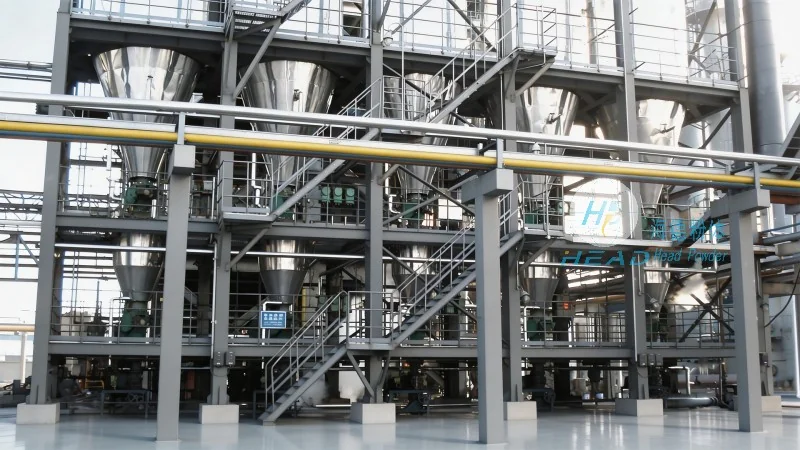
Overview of the Anode Material Powder Conveying System
The anode material powder conveying system is a sophisticated piece of industrial equipment tailored for the transportation of fine powders, such as those used in lithium-ion battery manufacturing. The system typically integrates multiple components, including feeders, conveyors, and control units, all working in tandem to achieve seamless material movement. The core of the system is the conveying mechanism, which can vary depending on the specific application, ranging from pneumatic systems to mechanical screw conveyors. Each component is designed to handle the unique properties of anode powders, including their particle size, moisture content, and flow characteristics.
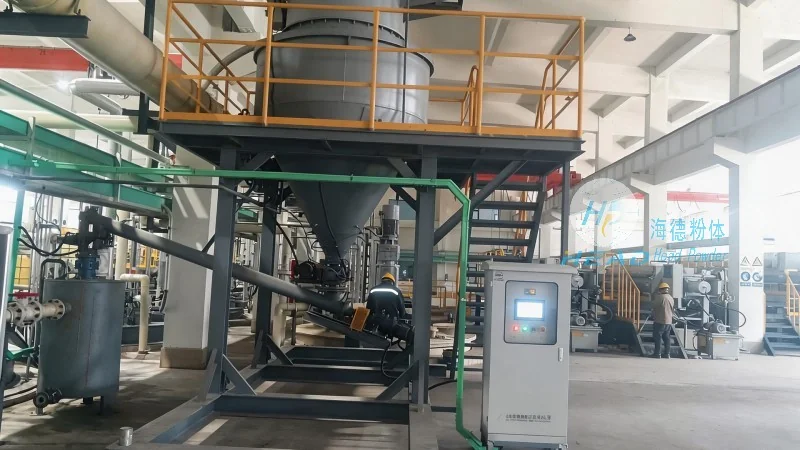
Working Principle of the Conveying System
The operation of the anode material powder conveying system is based on the principle of material transport through a controlled environment. In a typical setup, an anode powder is first fed into a hopper or feeder, where it is metered at a consistent rate. The feeder then transfers the powder to the conveying section, which may use air pressure (in pneumatic systems) or mechanical force (in screw or belt conveyors) to move the material. The conveying process is regulated by a control system that monitors parameters like flow rate, pressure, and temperature to ensure optimal performance. This closed-loop control system helps maintain the quality of the powder and prevents issues such as clogging or degradation during transport.
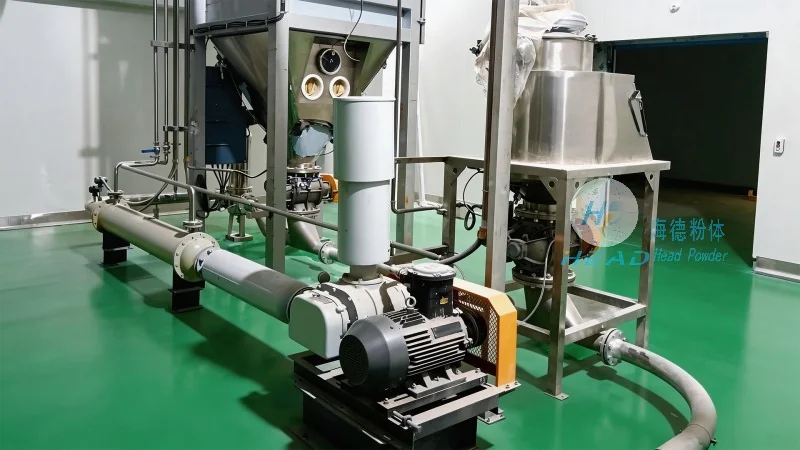
Key Working Scene Characteristics
The operational environment of an anode material powder conveying system is characterized by several critical factors that influence its performance and reliability. Firstly, the system must operate in a clean and controlled atmosphere to prevent contamination of the anode powder, which is crucial for battery performance. This often involves the use of dust extraction and filtration systems to maintain air quality. Secondly, the system is designed to handle high volumes of material with minimal downtime, making it suitable for continuous production lines. The robust construction of the equipment ensures it can withstand the abrasive nature of the anode powders, reducing maintenance requirements and extending the system's lifespan. Additionally, the system's flexibility allows it to adapt to different production scales, from small-scale laboratory testing to large-scale industrial manufacturing.
Application Scenarios and Industry Impact
HeadPowder's anode material powder conveying systems are deployed in various working scenarios across the battery manufacturing industry. These systems are commonly used in the production of lithium-ion batteries, where anode powders are a critical component. The systems are integrated into production lines that involve mixing, coating, and cell assembly processes. The efficiency of the conveying system directly impacts the overall production throughput, as delays in material transport can lead to bottlenecks in the manufacturing process. Furthermore, the system's ability to handle different types of anode powders makes it versatile for various battery chemistries, including graphite and silicon-based anodes. The reliability of the system ensures consistent quality in the final battery products, which is essential for meeting market demands and regulatory standards.
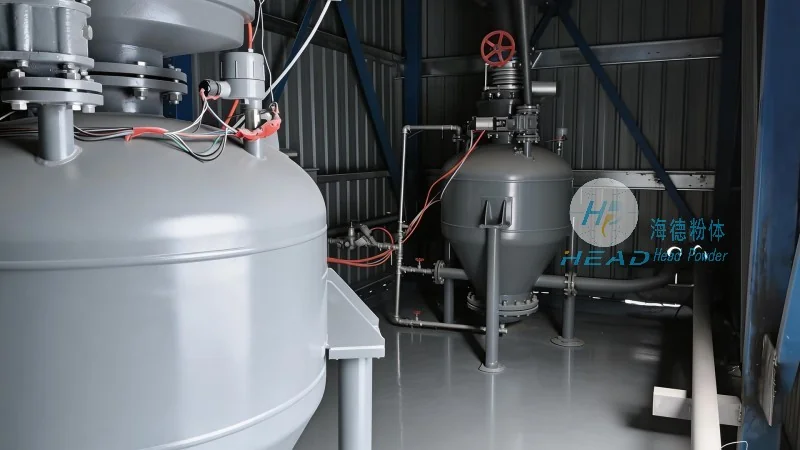
Conclusion
In summary, the anode material powder conveying system developed by Shandong HeadPowder Engineering Co., Ltd. is a vital piece of equipment for modern battery production. By understanding its working principles and operational characteristics, manufacturers can optimize their production processes, enhance product quality, and improve overall efficiency. The system's design, incorporating advanced control and material handling technologies, ensures it meets the demanding requirements of the battery industry, contributing to the growth and advancement of energy storage solutions.