

Principles and Working Scene Characteristics of Colored Sand Material Conveying
Colored sand, also known as colored aggregate, is a vital component in numerous construction and industrial applications. The efficient conveyance of colored sand is essential for maintaining production efficiency and product quality. This article delves into the fundamental principles behind colored sand material conveying systems and highlights the key characteristics of different working scenes where such systems are applied.
Understanding the Core Principles of Colored Sand Material Conveying
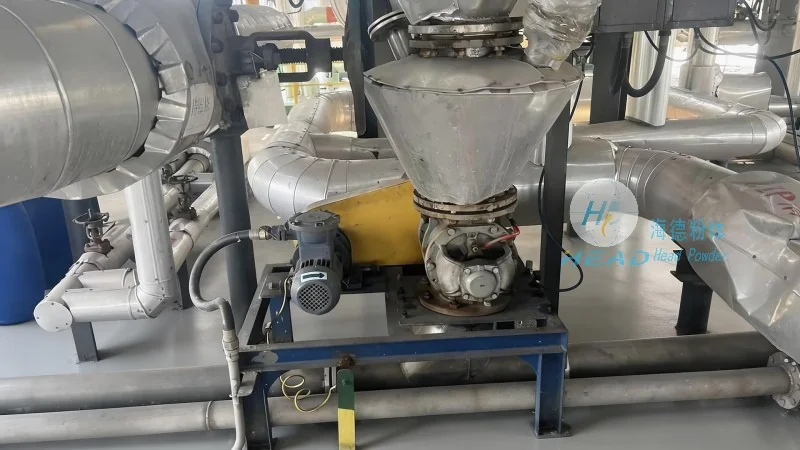
The process of colored sand material conveying involves the movement of granular materials from one location to another within a production facility. The primary objective is to achieve this movement with minimal material loss, reduced contamination, and optimal energy efficiency. Several key principles underpin the design and operation of these systems:
Firstly, the selection of appropriate conveying equipment is critical. Different types of conveyors, such as belt conveyors, screw conveyors, and pneumatic conveyors, are suited to specific material characteristics and operational requirements. For colored sand, which typically has a relatively uniform particle size and moderate bulk density, belt conveyors are commonly employed due to their ability to handle large volumes with minimal material degradation. Screw conveyors, conversely, are ideal for vertical or inclined transport, ensuring a consistent flow rate that prevents material buildup or clogging.
Secondly, the importance of material handling and storage cannot be overstated. Colored sand is typically stored in bulk silos or hoppers before being conveyed. Proper storage conditions, including moisture control and protection from external contaminants, are vital to preserving the color integrity and quality of the sand. The design of storage facilities must consider factors like material flow, dust control, and accessibility for maintenance and inspection.
Thirdly, the integration of control systems plays a pivotal role in ensuring smooth operation. Modern conveying systems often incorporate sensors, variable frequency drives (VFDs), and automated control panels that monitor flow rates, pressure, and temperature in real-time. These controls allow for dynamic adjustments to the conveying process, adapting to changes in material feed rates or system load. For instance, VFDs can regulate motor speed to maintain a consistent flow, preventing overloading or underflow that could lead to system inefficiencies or product defects.
Key Working Scene Characteristics of Colored Sand Conveying Systems
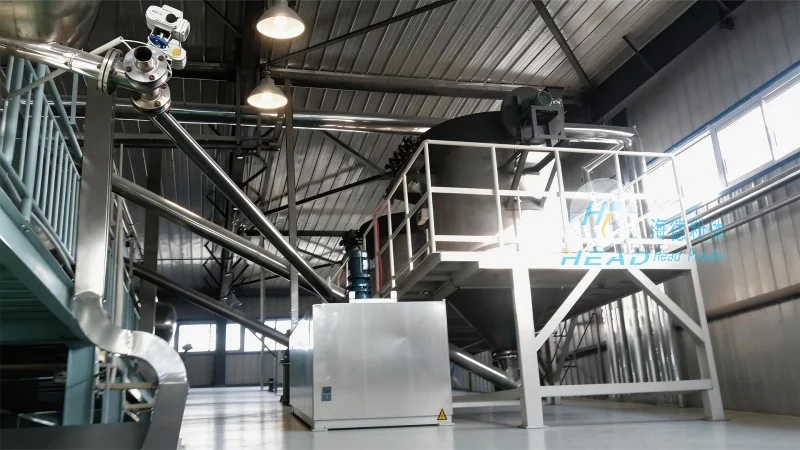
The application of colored sand material conveying systems varies significantly across different industrial settings. Understanding the characteristics of these working scenes is essential for selecting the right equipment and optimizing operational performance.
One common working scene is in the production of decorative concrete and paving stones. In such environments, colored sand is used to create patterned or colored surfaces on finished products. The conveying system must be capable of delivering sand to mixing stations or molding equipment with high precision and minimal segregation. This often requires enclosed conveyor systems to prevent dust from contaminating the final product and to maintain a clean working environment. The system design may also include features like adjustable discharge chutes to control the distribution of sand onto the mixing or molding surfaces.
Another significant working scene is in the manufacturing of building materials, such as colored mortar or plaster. Here, colored sand is mixed with other components to create specialized construction products. The conveying system must ensure a consistent blend of materials, preventing variations in color or texture that could affect the performance of the final product. Vertical or inclined conveyors are frequently used in these settings to transport sand from storage silos to mixing units, where it is combined with cement, water, and other additives. The system must be capable of handling high volumes while maintaining a stable flow rate to avoid interruptions in the production line.
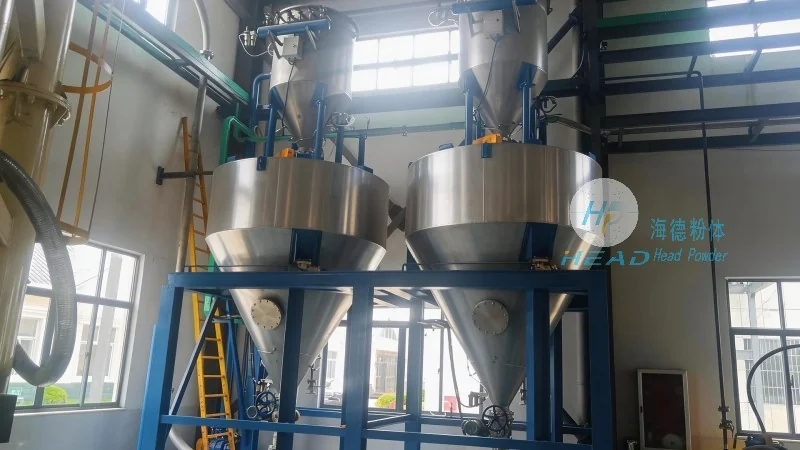
A third important working scene is in the processing of colored sand for artistic or industrial applications, such as in the production of colored glass or specialized coatings. In these cases, the conveying system may involve more sophisticated equipment, such as pneumatic conveyors or air slides, to transport fine or abrasive materials without causing excessive wear or damage. The system design must prioritize material handling efficiency and minimize the risk of particle breakage, as the quality of the final product is highly dependent on the integrity of the colored sand particles.
Operational Considerations and Best Practices
Regardless of the specific working scene, several operational considerations are crucial for the effective and efficient operation of colored sand material conveying systems. Proper maintenance is a top priority, as regular inspections and servicing of components like belts, screws, and bearings can prevent breakdowns and extend the lifespan of the equipment. Dust control measures, such as sealing conveyor systems and using filtration devices, are essential to maintain a safe working environment and comply with environmental regulations. Additionally, training operators on the proper use and monitoring of the conveying system is vital to ensure consistent performance and product quality.
Furthermore, the integration of colored sand conveying systems with overall production processes is critical for achieving optimal efficiency. This includes coordinating with upstream and downstream operations, such as material storage and product packaging, to ensure a seamless flow of materials throughout the facility. By aligning the conveying system with the broader production workflow, manufacturers can minimize downtime, reduce waste, and enhance overall productivity.
In conclusion, the principles and working scene characteristics of colored sand material conveying systems are fundamental to the success of various industrial applications. By understanding the core principles of material handling, selecting appropriate equipment, and implementing effective control systems, manufacturers can ensure the efficient and reliable transport of colored sand. The specific characteristics of different working scenes, such as those in decorative concrete production or building material manufacturing, require tailored system designs that address unique operational challenges. With proper maintenance, dust control, and integration with overall production processes, colored sand conveying systems can contribute significantly to the quality and efficiency of industrial operations.