

Principle and Working Scene Characteristics of Calcined Gypsum Material Conveying Systems
Shandong HeadPowder Engineering Co., Ltd., commonly known as HeadPowder, is a professional manufacturer based in Shandong, China. The company specializes in the design, development, and production of advanced material conveying systems, particularly for calcined gypsum. This article delves into the fundamental principles and operational characteristics of their calcined gypsum material conveying systems, highlighting how these systems efficiently handle the material from processing to final application.
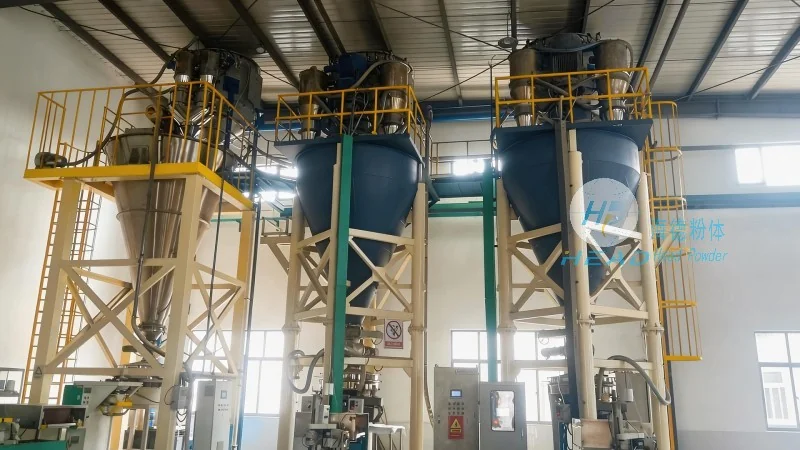
The Principle of Calcined Gypsum Material Conveying Systems
The calcined gypsum material conveying system designed by HeadPowder operates on a combination of mechanical and pneumatic principles to ensure efficient and reliable material transport. The core components include feed hoppers, conveyor belts or screw conveyors, and control systems. The system begins with the gypsum material being fed into the hopper, where it is then transferred to the conveyor mechanism. For calcined gypsum, which is typically in a dry, granular form, the system uses low-friction conveyor belts or robust screw conveyors to minimize material degradation and ensure consistent flow. The control system, integrated with sensors, monitors the material level, flow rate, and operational status, providing real-time feedback to maintain optimal performance. This principle ensures that the material is conveyed with minimal energy consumption and maximum efficiency, adhering to industrial standards for material handling.
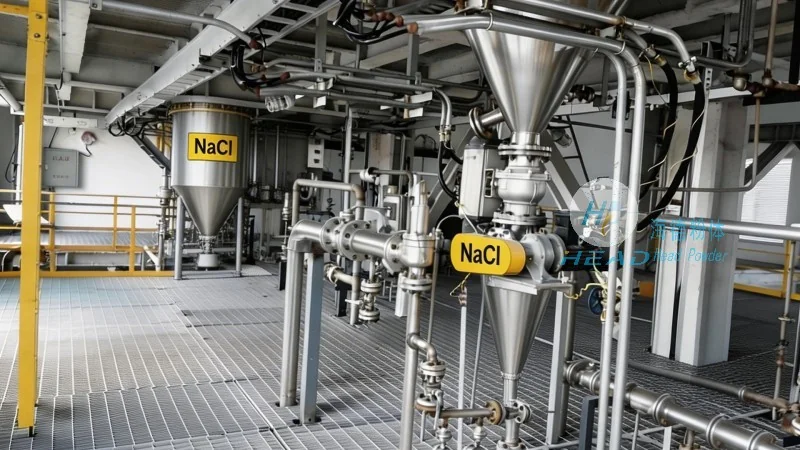
Working Scene Characteristics of the Conveying Systems
The calcined gypsum material conveying systems from HeadPowder are tailored for diverse industrial applications, each with distinct characteristics that enhance operational flexibility. One key characteristic is the system's adaptability to different material sizes and moisture content. Calcined gypsum can vary in particle size, from fine powders to coarse granules, and the conveying system is designed to handle these variations without clogging or loss of material. The system's robust construction, using corrosion-resistant materials, ensures durability in environments where gypsum may contain trace amounts of moisture or impurities. Another important characteristic is the system's integration with downstream processing equipment, such as gypsum board production lines. The conveying system is engineered to maintain a consistent material feed rate, which is critical for maintaining the quality of the final product. Additionally, the system's modular design allows for easy installation and maintenance, reducing downtime and operational costs. These characteristics make the systems suitable for both large-scale industrial production and smaller-scale processing facilities.
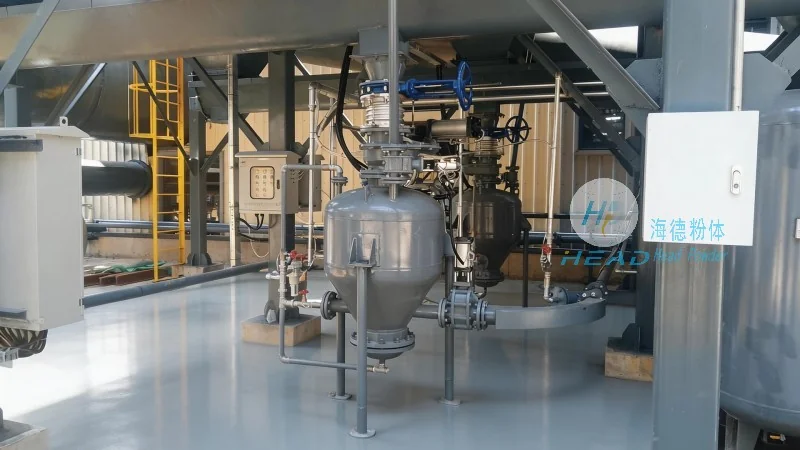
Advantages in Application
The calcined gypsum material conveying systems offered by HeadPowder provide several advantages that enhance overall operational efficiency. One significant advantage is the reduction in material handling time and labor costs. By automating the material transport process, the system minimizes the need for manual handling, which not only improves safety but also increases productivity. The system's energy-efficient design reduces operational costs, making it a cost-effective solution for long-term use. Another advantage is the improved material quality control. The consistent flow and low friction in the conveying process prevent material degradation, ensuring that the gypsum delivered to the processing line is of high quality. This leads to better product consistency and reduced waste. Furthermore, the system's reliability and low maintenance requirements contribute to higher uptime, which is crucial for maintaining production schedules. These advantages make the systems a preferred choice for industries that require reliable and efficient material handling solutions.
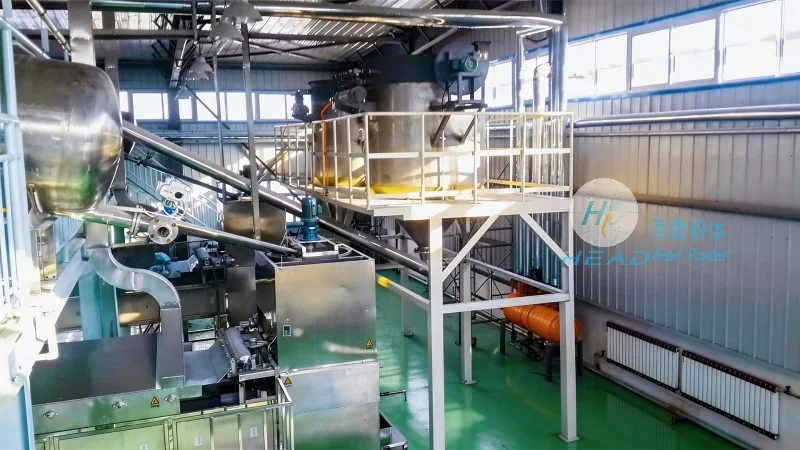
Technical Details and Specifications
HeadPowder's calcined gypsum material conveying systems are built with precision engineering to meet the specific needs of the gypsum industry. The systems are available in various configurations, including belt conveyors, screw conveyors, and pneumatic conveyors, each tailored to different operational requirements. The belt conveyors are ideal for transporting bulk quantities of calcined gypsum over short to medium distances, with adjustable speed controls to manage flow rates. The screw conveyors are suitable for vertical or inclined transport, providing a compact solution for space-constrained facilities. The pneumatic conveyors are used for fine powders, ensuring minimal dust generation and easy integration with dust collection systems. The systems are equipped with advanced control panels that allow for remote monitoring and adjustment, enhancing operational flexibility. Safety features, such as emergency stop buttons and overload protection, are integrated to ensure safe operation. The materials used in the construction, such as stainless steel and high-grade plastics, are resistant to corrosion and wear, extending the system's lifespan. These technical details ensure that the systems are reliable, efficient, and compliant with industrial safety standards.