

Principle and Working Scene Characteristics of Loess Material Handling Equipment
HeadPowder, a professional manufacturer based in Shandong, China, specializes in the design and production of specialized material handling equipment tailored for loess and similar earthy materials. The company's core focus is on developing efficient and reliable systems that address the unique challenges of transporting and processing loess, a fine-grained soil commonly found in arid and semi-arid regions. By integrating advanced engineering principles with practical field experience, HeadPowder's equipment is engineered to meet the demands of various industrial applications, ensuring optimal performance and durability in demanding environments.
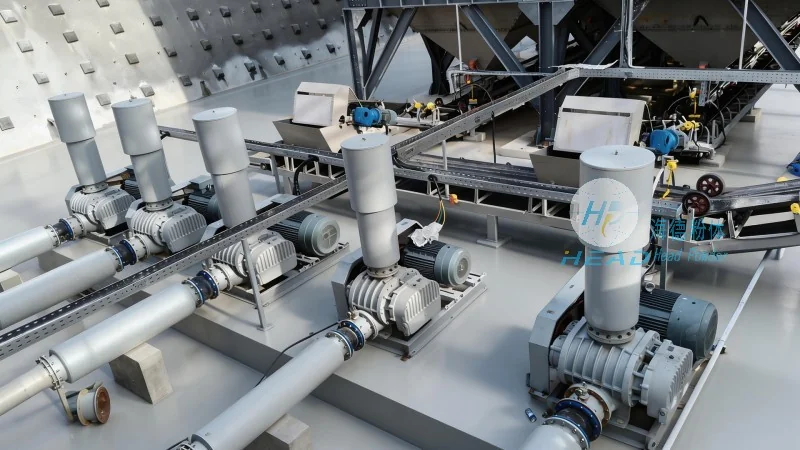
Understanding the Core Principles of Loess Material Handling Equipment
At the heart of loess material handling systems lies a comprehensive understanding of the material's physical properties and the mechanical forces required for effective transport. Loess, characterized by its high plasticity and cohesive nature when moist, presents distinct challenges compared to other bulk materials like sand or gravel. The equipment design must account for factors such as particle size distribution, moisture content, and the material's tendency to form clumps or caking under certain conditions. To address these challenges, HeadPowder employs a multi-stage approach that includes pre-treatment, transport, and post-processing components, each optimized to handle loess with precision and efficiency.
Key to the functionality of these systems is the selection of appropriate conveyor types and components. For example, belt conveyors are commonly used for horizontal and slight incline transport due to their ability to handle large volumes of material with minimal friction. However, for steeper inclines or vertical lifting, screw conveyors or bucket elevators may be preferred, as they provide better control over material flow and reduce the risk of material degradation. The choice of conveyor type is influenced by factors such as the material's bulk density, flowability, and the required transport distance, all of which are carefully considered in the design process.
Another critical principle is the incorporation of specialized components that enhance the handling of loess. For instance, the use of flexible or reinforced belts can prevent material buildup and reduce the risk of tearing, while the application of lubricated or coated conveyor surfaces minimizes friction and prevents material adhesion. Additionally, the integration of dust control systems is essential, as loess is a fine powder that can generate significant airborne dust during handling. These systems, which may include dust collection hoods, filters, and ventilation fans, are designed to comply with environmental regulations and ensure workplace safety.
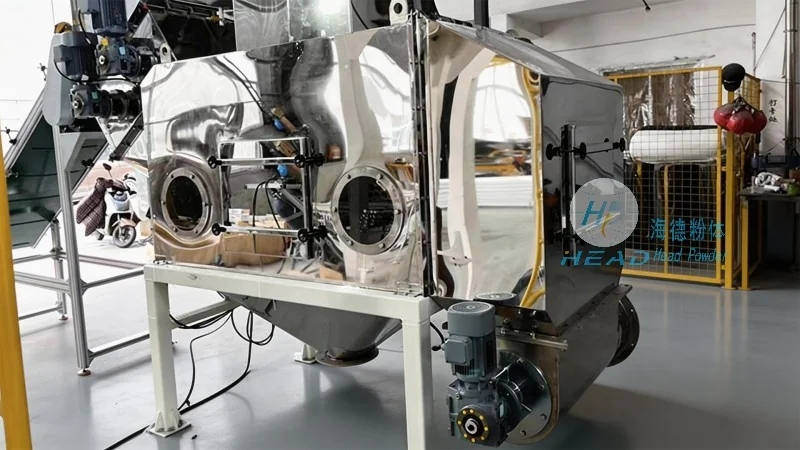
Working Scene Characteristics and Application Scenarios
The working scene characteristics of loess material handling equipment are shaped by the diverse environments in which these systems operate. Loess is typically found in construction sites, mining operations, and agricultural settings, where it is used as a raw material for building materials, soil stabilization, or land reclamation projects. The equipment must be adaptable to these varied conditions, from open-pit mines to on-site construction areas, and be capable of handling both loose and compacted loess.
In construction applications, loess is often used as a base material for road construction, foundation laying, or as a component in concrete mixtures. The handling equipment must be able to transport loess from stockpiles to processing facilities, ensuring consistent material quality and flow. This requires systems that can handle large volumes of material with minimal downtime, as construction projects often operate on tight schedules and require continuous material supply.
For mining operations, loess material handling systems are used to transport earthy materials from excavation sites to processing plants or storage areas. The equipment must be robust enough to withstand the harsh conditions of mining environments, including exposure to moisture, temperature fluctuations, and abrasive particles. Additionally, the systems must be designed to minimize material loss and maximize recovery rates, as loess is a valuable resource that needs to be efficiently utilized.
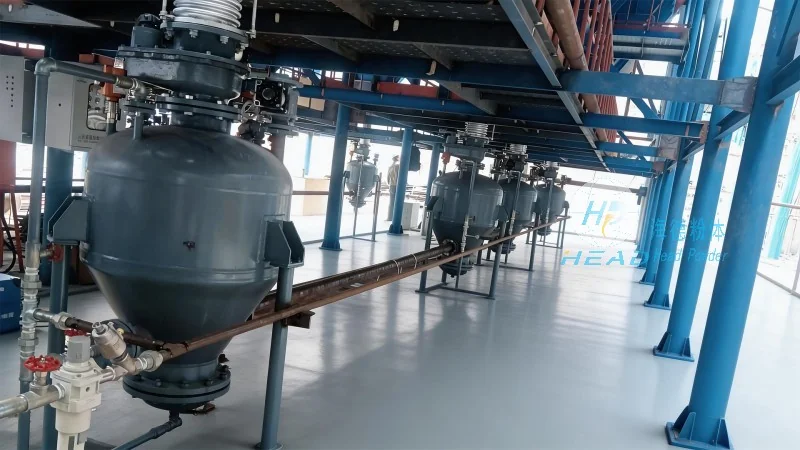
In agricultural settings, loess is used for soil improvement and land reclamation projects, particularly in areas with poor soil quality. The handling equipment is used to transport loess from storage sites to fields, where it is spread and incorporated into the soil. The systems must be able to handle material with varying moisture content and particle sizes, ensuring uniform distribution and optimal soil conditioning. This requires equipment that is both efficient and gentle on the material, preventing damage to the loess particles and maintaining their structural integrity.
Technical Advantages and Performance Metrics
HeadPowder's loess material handling equipment offers several technical advantages that set it apart from conventional systems. One of the key advantages is the integration of advanced control systems that allow for real-time monitoring and adjustment of the transport process. These systems can track parameters such as material flow rate, belt tension, and temperature, providing operators with immediate feedback and enabling proactive maintenance to prevent equipment failure.
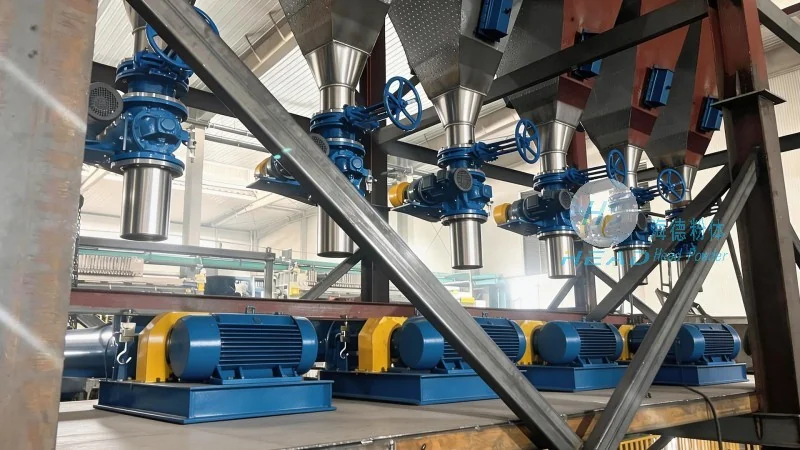
Another advantage is the use of durable materials and components that are specifically designed for handling loess. For example, the conveyor belts are made from high-quality rubber or polyurethane, which are resistant to abrasion and chemical degradation. The idlers and rollers are constructed from heavy-duty steel, ensuring long service life and minimal maintenance. The equipment is also designed with easy access points for maintenance, reducing downtime and increasing overall operational efficiency.
The performance of loess material handling systems is typically measured by several key metrics, including capacity, efficiency, and reliability. Capacity refers to the maximum volume of material that the system can transport per unit time, which is influenced by factors such as conveyor speed, belt width, and the material's bulk density. Efficiency is measured by the system's ability to transport material with minimal energy consumption and material loss, while reliability is assessed by the frequency of equipment breakdowns and the time required for repairs.
HeadPowder's equipment is engineered to achieve high performance across these metrics, with typical capacities ranging from several tons per hour to over 100 tons per hour, depending on the specific application. The systems are designed to operate with low energy consumption, often using variable speed drives to adjust the conveyor speed based on the material load. This not only reduces operational costs but also extends the life of the equipment by minimizing wear and tear.