

Principle and Working Scene Characteristics of Sodium Sulphate Material Handling Equipment
When it comes to the efficient and reliable transport of sodium sulphate, commonly known as Glauber's salt, specialized material handling equipment plays a crucial role in industrial processes. This article explores the fundamental principles behind such equipment and highlights the key characteristics of its working environments, providing insights into how these systems enhance operational efficiency and safety in material handling applications.

Company Profile: Shandong HeadPowder Engineering Co., Ltd.
Shandong HeadPowder Engineering Co., Ltd., a leading manufacturer based in Shandong, China, specializes in the design, development, and production of advanced material handling solutions tailored for various industrial needs. With a strong commitment to quality and innovation, the company has established itself as a trusted partner in the chemical and bulk material processing sectors, delivering equipment that meets the stringent requirements of modern industrial operations.
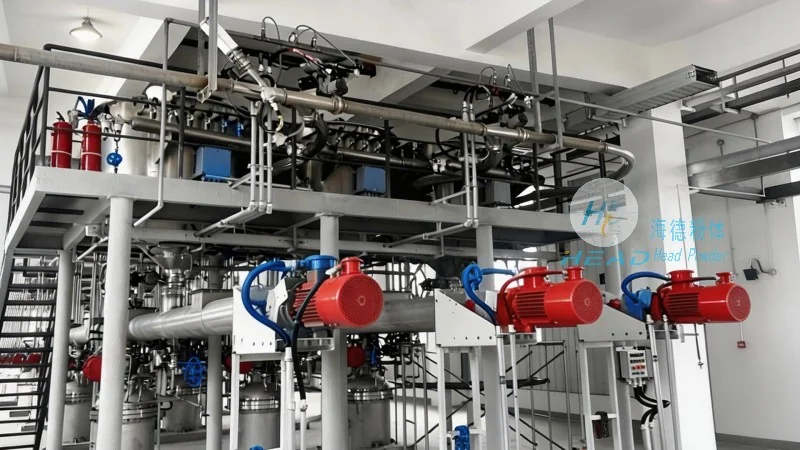
Principle of Sodium Sulphate Material Handling Equipment
The core principle of sodium sulphate material handling equipment revolves around the efficient transfer of bulk materials from one location to another within industrial settings. These systems are engineered to handle the unique physical and chemical properties of sodium sulphate, including its granular or powdered form, ensuring minimal degradation or contamination during transport. Common types of equipment include screw conveyors, pneumatic conveying systems, and belt conveyors, each designed to address specific operational challenges and material characteristics.
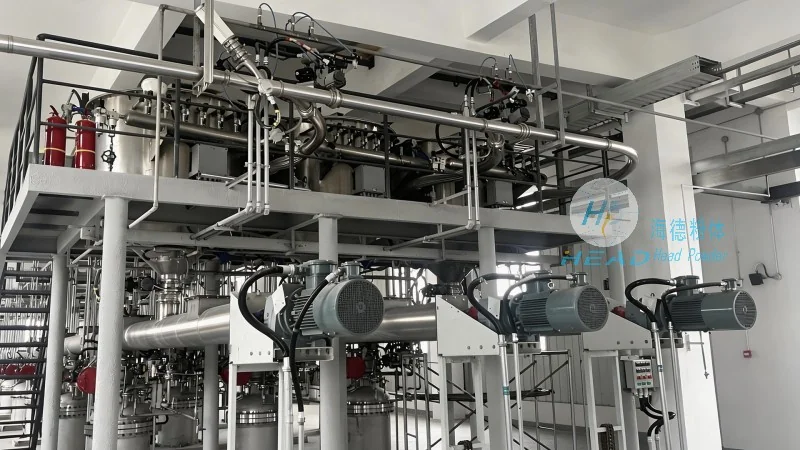
Working Scene Characteristics of the Equipment
The working scene characteristics of sodium sulphate material handling equipment are shaped by the diverse industrial applications where these materials are processed. For instance, in chemical manufacturing plants, the equipment operates under controlled temperature and humidity conditions to prevent material caking or clumping. In mining and mineral processing facilities, the equipment must withstand abrasive and corrosive environments, often requiring robust construction materials such as stainless steel or specialized coatings to ensure durability and longevity.
Application Features and Operational Advantages
One of the primary advantages of sodium sulphate material handling equipment is its ability to maintain consistent material flow rates, which is critical for maintaining production line efficiency. The equipment is designed to minimize downtime and reduce labor costs by automating the material transport process. Additionally, modern systems incorporate advanced control technologies, such as variable speed drives and real-time monitoring, allowing for precise adjustments to accommodate varying material loads and process requirements. This adaptability ensures optimal performance across different working scenarios, from small-scale laboratory operations to large-scale industrial production lines.
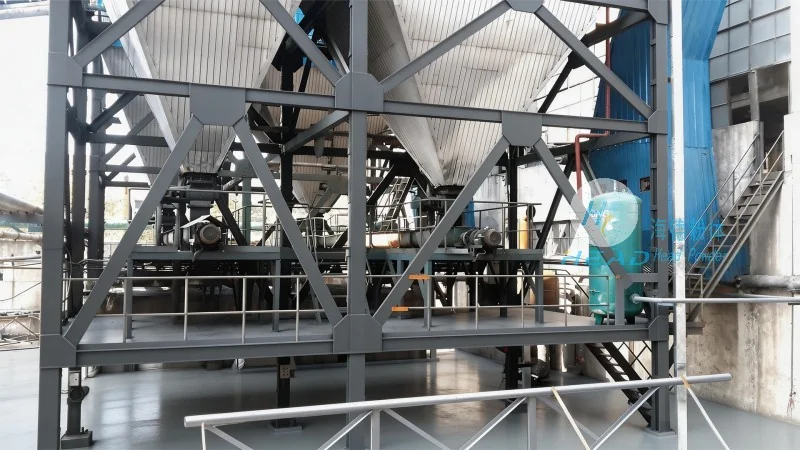
Conclusion
In conclusion, the principle and working scene characteristics of sodium sulphate material handling equipment are integral to the smooth operation of industrial processes. By understanding the underlying mechanisms and operational requirements, industries can select and implement the most suitable equipment to enhance productivity, safety, and cost-effectiveness. As a leading provider in this field, Shandong HeadPowder Engineering Co., Ltd. continues to innovate and deliver high-quality solutions that meet the evolving needs of the bulk material handling industry.